News
AGOA Gets a Lifeline, But South Africa’s Future in the Deal Is Still Hanging by a Thread
AGOA lives on, for now
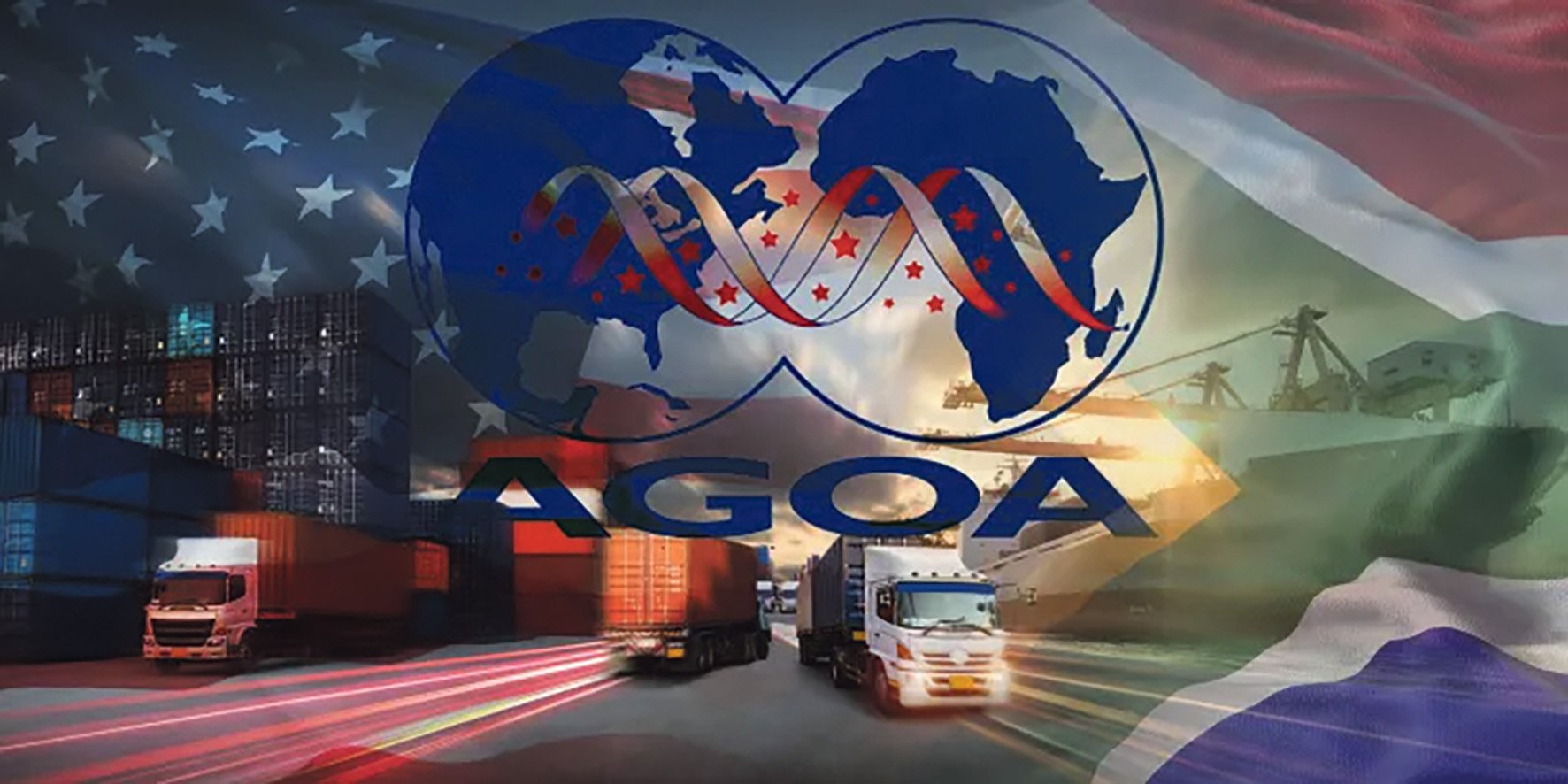
After months of uncertainty, the African Growth and Opportunity Act (AGOA) has been given a new lease on life. The US House of Representatives has overwhelmingly approved a three-year extension of the trade programme, which gives qualifying sub-Saharan African countries duty-free access to the American market.
For exporters across the continent, this vote brings a measure of relief. AGOA had quietly expired last October, triggering warnings from economists and business leaders that even a short lapse could disrupt supply chains, cost jobs, and weaken already fragile trade ties with the United States.
But while AGOA itself may be back on track, South Africa’s position within the programme is far from secure.
A strong vote and a fast-moving bill
The House vote was decisive. A total of 340 lawmakers backed the extension, with just 54 opposed a rare show of bipartisan consensus in Washington. The legislation now heads to the US Senate, where it will face further debate and scrutiny.
On paper, the extension is good news for African economies that rely on preferential access to the US, especially in sectors like automotive manufacturing, agriculture, and textiles. For South Africa, AGOA has long been a gateway for vehicle exports, citrus, wine, and industrial goods.
Yet this time, the trade conversation is tangled up with geopolitics.
Why South Africa is under the microscope
South Africa’s eligibility for AGOA has become a political lightning rod in Washington. In recent years, relations between Pretoria and the US have cooled, driven by disagreements over trade policy and foreign affairs.
A major sticking point has been South Africa’s military and diplomatic engagements with countries viewed by the US as adversaries including China, Russia, and Iran. Joint naval exercises, particularly those held in South African waters, have drawn sharp criticism from US lawmakers who argue that they contradict Pretoria’s long-standing claim of non-alignment.
As Congress prepared to vote on the AGOA extension, reports emerged that South Africa had asked Iran to withdraw from the “Will for Peace” naval exercise in False Bay, a move widely interpreted as an attempt to ease tensions with Washington at a critical moment.
Washington’s criticism grows louder
The strongest pushback has come from Senate Foreign Relations Committee Chair Jim Risch, who has openly questioned whether South Africa still meets the political and strategic criteria required under AGOA.
Risch accused the ANC-led government of hiding behind non-alignment while actively engaging militarily with US rivals. In his view, those actions signal hostility rather than neutrality and should carry consequences.
His remarks reflect a broader shift in tone in Washington, where patience with diplomatic balancing acts appears to be wearing thin. The Senate, unlike the House, is expected to probe South Africa’s role far more aggressively as the bill moves forward.
What this means for South Africans at home
For ordinary South Africans, this debate isn’t just about foreign policy, it’s about jobs, exports, and economic stability.
AGOA has supported thousands of local jobs, particularly in manufacturing and agriculture. Any move to suspend or remove South Africa from the programme would ripple through factories, farms, and logistics hubs, at a time when the economy can least afford another shock.
On social media, reactions have been mixed. Some users argue that South Africa should not compromise its independent foreign policy for trade benefits, while others warn that ideology won’t pay wages if export markets close.
A narrow window to reset relations
The three-year AGOA extension creates breathing room, but also pressure. For South Africa, the message from Washington is clear: trade privileges are no longer insulated from political choices.
Whether Pretoria can recalibrate its diplomatic approach without alienating key partners remains to be seen. What is certain is that the Senate process will be closely watched, not just in Parliament and Luthuli House, but in boardrooms and warehouses across the country.
AGOA may be back. South Africa’s place in it, however, is still very much up for debate.
{Source: IOL}
Follow Joburg ETC on Facebook, Twitter , TikTok and Instagram
For more News in Johannesburg, visit joburgetc.com