News
Trump tells Iranian protesters to seize institutions amid unrest
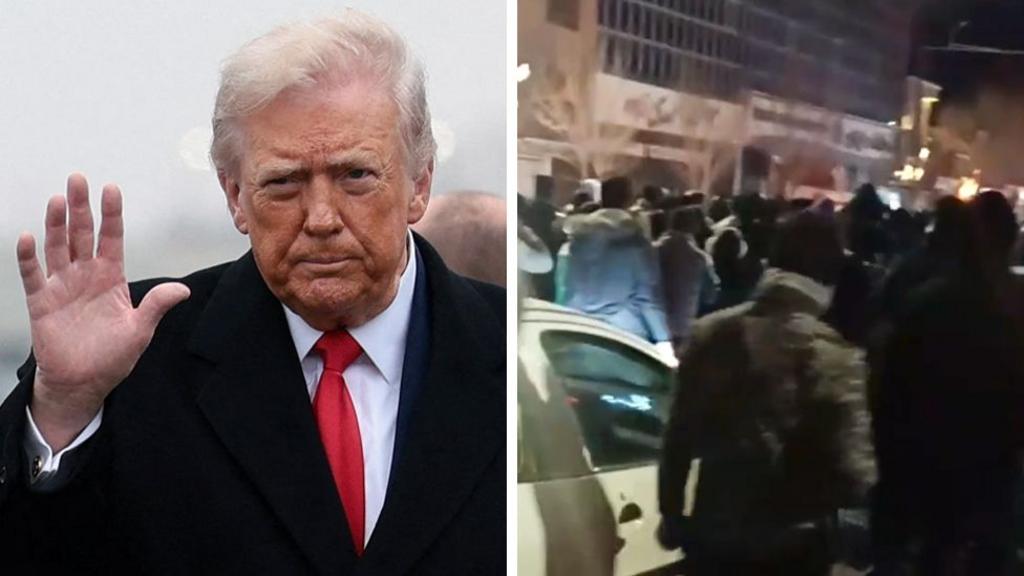
When protests break out in Iran, the ripple effects are felt far beyond Tehran. This week, those ripples reached Detroit, where Donald Trump delivered a message that instantly drew global attention.
Speaking at the Detroit Economic Club, Trump openly encouraged Iranian protesters to push further. His call was blunt. Keep protesting. Take control of state institutions if possible. Document the names of those responsible for abuse. According to Trump, accountability would follow, and it would be severe.
The remarks were echoed almost simultaneously on Truth Social, where his language struck the same defiant tone. For supporters, it sounded like solidarity with a population under pressure. For critics, it raised fears of dangerous escalation.
Protests born from economic collapse
The demonstrations in Iran began in late December, driven by a rapidly collapsing national currency and deepening economic hardship. What started as protests over prices and livelihoods has since turned far deadlier.
Iranian authorities say hundreds have died. Western media and activist groups suggest the number could be far higher. Trump himself admitted uncertainty, saying his next steps would depend on verified figures. That note of caution did little to soften the impact of his broader message.
A promise of help that stays deliberately vague
Asked what he meant by saying help was on its way, Trump avoided specifics. In a television interview, he spoke generally about pressure in different forms, pointing to new US tariffs aimed at countries that continue doing business with Iran. He framed this as economic action rather than direct support for the Iranian state.
At the same time, Trump refused to rule out military options. He referenced past US actions abroad, including operations in Venezuela and high-profile assassinations linked to ISIS and Iran. For him, the objective was clear. Winning.
Tehran pushes back, and the world watches
Iranian leaders have rejected Trump’s claims outright. Officials insist the unrest is being fuelled from abroad, accusing the United States and Israel of orchestrating what they describe as a foreign-backed campaign to destabilise the country.
Warnings have also intensified. The US State Department has urged American citizens in Iran to leave immediately, citing the risk of detention and sudden escalation. Several Western countries have followed with similar alerts.
Russia has taken a hard line too, accusing Western governments of exploiting economic pain to weaken the Iranian state. Moscow has blamed sanctions for worsening social conditions and condemned Trump’s rhetoric as unacceptable.
Why this moment feels different
What makes Trump’s comments stand out is not just their bluntness but also their timing. Iran is facing internal strain, international pressure, and growing regional instability all at once. By publicly urging protesters to seize institutions, Trump crossed a line few US leaders articulate so openly.
On social media, reactions have been sharply divided. Some users praised the stance as moral clarity. Others warned it could embolden violence and close the door on any diplomatic off-ramps.
For Iranians on the streets, the reality remains far more immediate. Currency collapse, rising prices, and fear of repression shape daily life far more than international speeches. Yet history shows that words from Washington carry weight, sometimes more than intended.
As tensions rise, the question is no longer whether the crisis will deepen, but how many actors will try to shape its outcome, and at what cost.
Follow Joburg ETC on Facebook, Twitter, TikT
For more News in Johannesburg, visit joburgetc.com
Source: IOL
Featured Image: BBC