News
How the US is tightening its grip on Venezuelan oil tankers
A quiet legal path to a loud global confrontation
In the cold expanse of international waters off Venezuela and the North Atlantic, a new chapter in global geopolitics is unfolding. The administration of US President Donald Trump has quietly begun filing legal applications in American courts that would give it authority to seize dozens more oil tankers said to be carrying Venezuelan crude, according to reporting by international news agencies and official statements. Washington says this step is about enforcing sanctions and regaining control of oil exports, which it claims are moving without authorisation.
This push for civil seizure warrants comes after dramatic developments earlier this month, when US officials said Venezuelan President Nicolás Maduro was captured during a special forces operation, a claim that sharply intensified global scrutiny over Venezuela’s oil wealth and who has the right to steer it going forward.
From shadow fleets to court filings
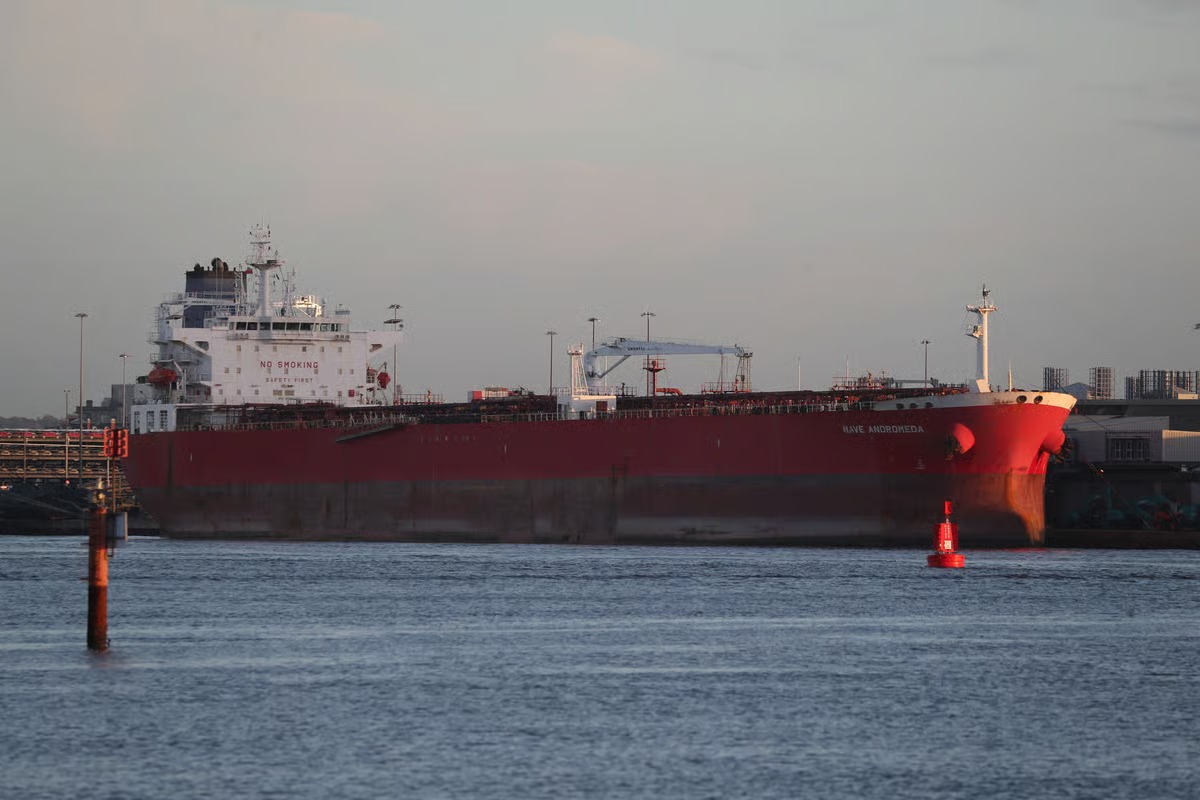
The focus of these legal actions is not just tankers flying the Venezuelan flag. Many vessels targeted are part of what industry insiders call the ‘shadow fleet,’ a constellation of ships that mask their true ownership or flagging to slip around sanctions and carry heavy crude from sanctioned producers, including Venezuela, Iran, and Russia.
Already in recent weeks, US military and Coast Guard units have intercepted five such vessels in international waters, with one of the most dramatic captures involving a Russian-flagged ship northwest of Scotland. While the exact number of new warrants remains confidential, Pentagon officials have publicly stated that the United States will pursue ships it believes are operating outside legal sanction frameworks wherever they can.
The bigger picture on energy and influence
At the heart of this campaign is something much larger than a handful of vessels. Venezuela sits on some of the world’s most abundant crude oil reserves, and control of this resource has long been central to its modern history. Since Hugo Chávez nationalised oil fields in the early 2000s, the industry has been deeply politicised and at times mismanaged. By seeking to enforce maritime sanctions so aggressively, the United States is staking a claim not just to interrupt smuggling but to reshape who benefits from Venezuelan oil flows.
In Washington, the narrative put forward frames these actions as helping rebuild Venezuela’s battered oil sector for the good of its people. Critics in other capitals see a different image. Protesters and commentators in Moscow, Beijing, and Caracas alike have labelled the moves unlawful and reminiscent of old-style resource grabs, pointing to international law and freedom of navigation in open seas.
Ripples felt across markets and alliances
Beyond courts and coastlines, the consequences are already reverberating. Major purchasers of Venezuelan crude, such as China, are adjusting their expectations as US efforts disrupt traditional export routes. Some shipping firms have turned their tankers away to avoid entanglement in legal actions, and global oil markets are increasingly uncertain about how supply patterns might shift in the months ahead.
Meanwhile, public and social media reactions range from triumphant approval among advocates of strict sanctions enforcement to urgent warnings about rising tensions and the potential for diplomatic or military backlash. The debate underscores the complexity of marrying legal strategies with foreign policy goals in a world where energy, law, and power constantly collide.
Follow Joburg ETC on Facebook, Twitter, TikT
For more News in Johannesburg, visit joburgetc.com
Source: IOL
Featured Image: www.standard.co.uk