News
When wildfires swept through the Cape and animals were left fighting for survival
When the fires came for them, too
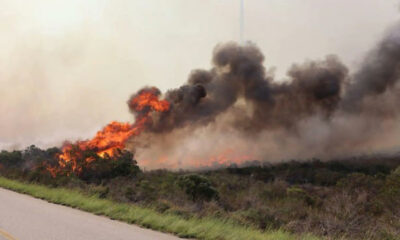
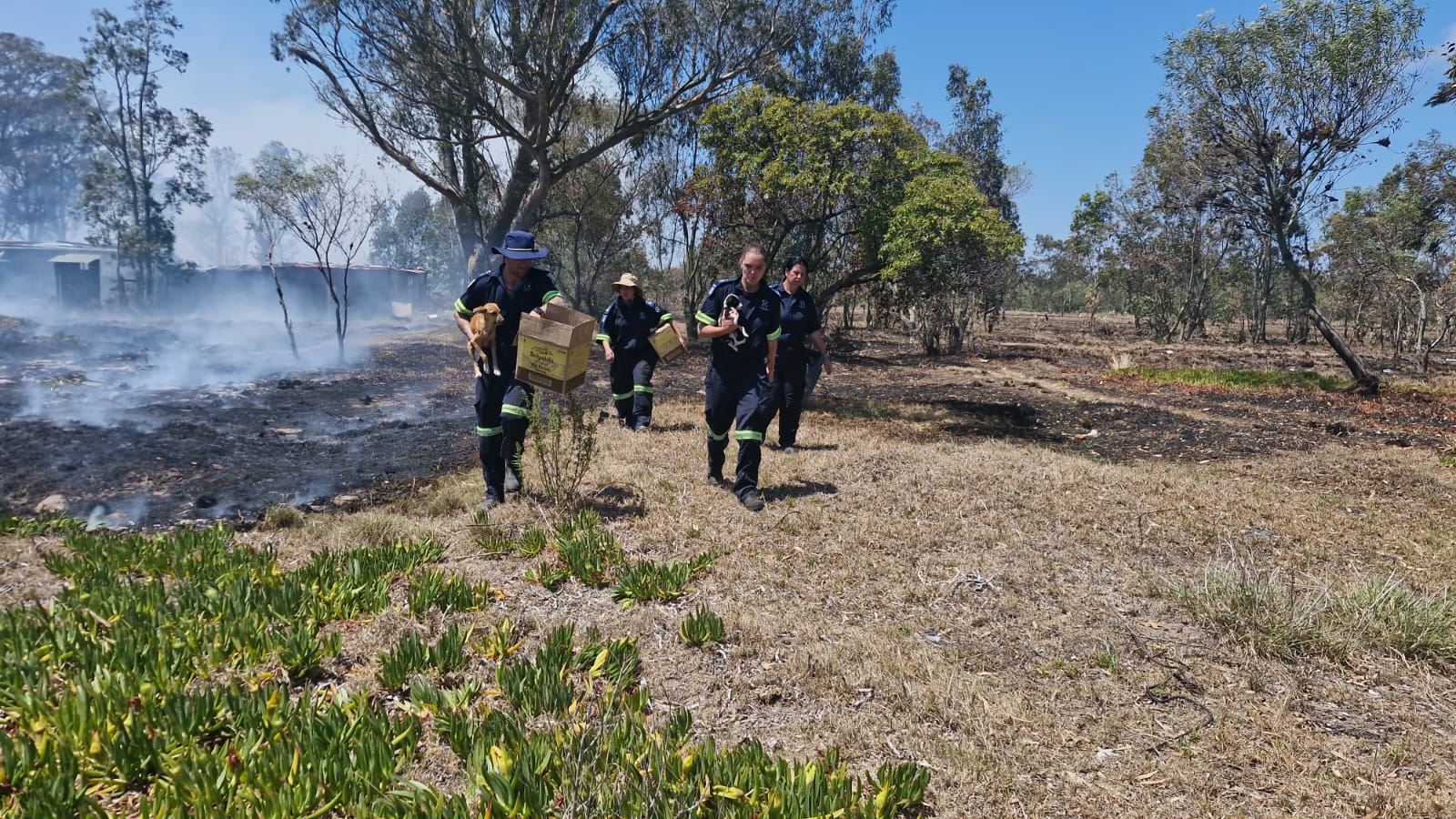
When wildfires tear through towns and farms, the first images we see are usually of families evacuating and firefighters battling walls of flame. What we do not always see are the animals left behind. Over the past week, that hidden crisis played out across parts of the Western Cape and Eastern Cape, where rescue teams scrambled to save animals caught in the path of fast-moving fires.
Dogs and cats were pulled from smoke-filled homes. Cattle pressed against farm fences with nowhere to run. Slow-moving creatures like tortoises and snakes had little chance of escaping on their own. For many of them, help arrived just in time.
A race against fire and time
As evacuations swept through areas including Kouga, Gqeberha, Mossel Bay, Overberg, and Stanford, the NSPCA found itself responding to an emergency on multiple fronts. When residents flee at short notice, animals often become the most vulnerable. Some are confined by fencing, others are hidden or frightened, and many simply cannot move fast enough.
Rescue teams moved through scorched land searching for injured, disoriented, or dehydrated animals. They assisted a wide range of species, from household pets to birds, reptiles, farm animals, and even snails. Wherever possible, animals were removed to safer ground. In the most severe cases, euthanasia was carried out to prevent further suffering.
Behind the scenes of a national response
The NSPCA deployed its national Disaster Response Team to the worst-affected areas, working alongside local welfare groups, emergency services, and volunteers. This kind of coordinated response is critical during large-scale disasters, especially in rural and semi-rural areas where animals are spread across vast distances.
One of the most complex operations involved Panthera Africa, a sanctuary and rehabilitation centre that was forced to evacuate its large predators. The animals were successfully relocated, although one was lost to smoke inhalation. It was a stark reminder that even professional facilities are not immune when fires move faster than expected.
Why animals struggle in wildfires
Unlike people, animals cannot always interpret danger in time to flee. Farm fencing, enclosures, and natural behaviour patterns often trap them in harm’s way. Tortoises retreat into their shells, snakes hide, and livestock follow familiar paths that may lead straight into danger.
In the Cape provinces, where dry summers, strong winds, and dense vegetation are common, wildfires are a recurring threat. Each major fire season exposes the same vulnerability. Animals rely almost entirely on human intervention to survive these moments.
Public reaction and quiet heroes
While much of the public focus has been on destroyed homes and injured firefighters, social media has also been filled with messages of support for animal welfare workers. Many South Africans expressed gratitude for rescue teams who entered dangerous conditions to save lives that could not call for help.
These efforts often go unseen, yet they form a crucial part of disaster response in a country with deep ties to farming, wildlife, and companion animals.
More than property loss
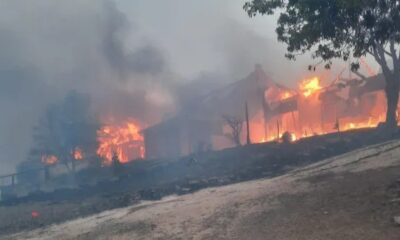
The recent fires caused significant damage to homes, vehicles, and infrastructure, particularly in areas like Mossel Bay, Aalwyndal, Island View, and Vakansieplaas. Several firefighters were injured, and communities are now facing the long process of recovery.
For animal welfare organisations, the work does not end when the flames die down. Injured animals require ongoing care, and many displaced pets and farm animals need to be reunited with owners or placed in safe environments.
In moments like these, the true cost of wildfires becomes painfully clear. It is measured not only in hectares burned or buildings lost, but also in lives saved, lives lost, and the quiet determination of those who refuse to leave any living being behind.
Follow Joburg ETC on Facebook, Twitter, TikT
For more News in Johannesburg, visit joburgetc.com
Source: IOL
Featured Image: SPCA