Power & Utilities
Power showdown looms as Eskom warns 14 municipalities over unpaid electricity bills
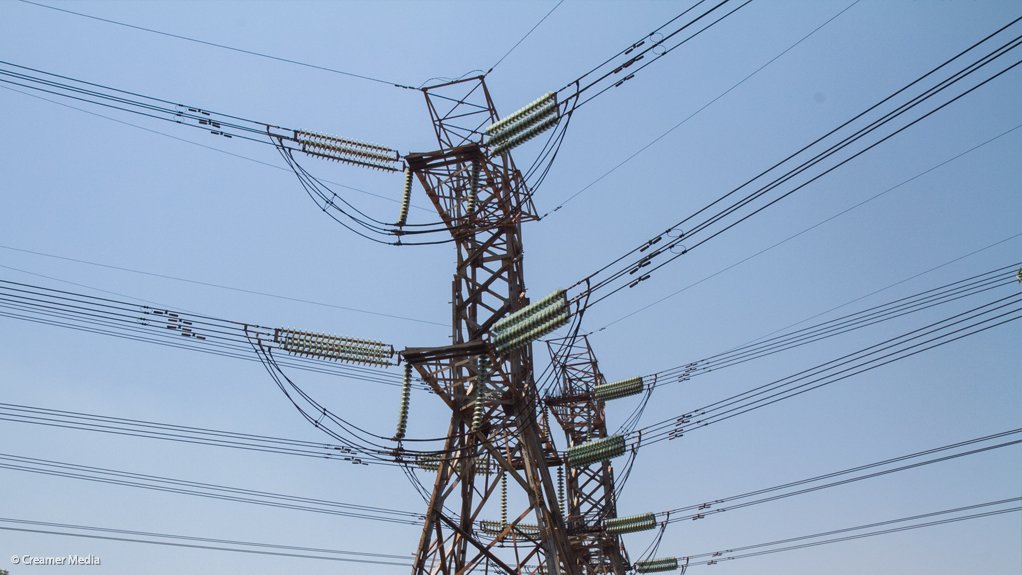
Power showdown looms as Eskom warns 14 municipalities over unpaid electricity bills
South Africa’s fragile electricity system could soon face another wave of disruption, this time not from load shedding, but from mounting municipal debt.
Eskom has warned that 14 municipalities across the country could face electricity supply interruptions if they fail to settle long-standing arrears owed to the power utility.
The warning comes as unpaid municipal electricity debt has ballooned to more than R110 billion, a figure that continues to haunt the country’s power sector despite government intervention.
For residents living in affected areas, the situation raises a worrying possibility: power cuts that could be triggered not by national grid pressure, but by local government finances.
Why Eskom is taking legal action
According to the utility, it has exhausted several attempts to resolve the debt problem through cooperative government channels.
Now it has begun issuing formal notices under the Promotion of Administrative Justice Act (PAJA), giving municipalities a chance to explain their position before Eskom moves forward with possible credit control measures.
The legal step follows months and in some cases years of unpaid bills. The municipalities selected for action reportedly fall into at least one of three categories:
-
They have not paid their Eskom accounts for at least 18 months
-
They failed to comply with the conditions of a government debt relief programme
-
Their outstanding balances now pose a serious financial risk to Eskom
If those municipalities fail to present workable solutions, Eskom could limit electricity supply or interrupt power at certain times, as permitted by law.
The R110 billion problem
Municipal debt to Eskom has become one of the biggest financial headaches in South Africa’s energy sector.
In an attempt to fix the problem, the **National Treasury introduced a municipal debt relief programme designed to stabilise the situation.
The plan effectively ring-fenced historical electricity debt, froze related interest, and gave municipalities breathing room to keep up with current payments.
But the numbers tell a different story. Despite the intervention, arrears have continued to climb pushing the total debt past R110 billion nationwide.
Energy analysts say this reflects a deeper structural issue within local government finances, where electricity revenue collected from residents is not always passed on to Eskom.
The risk for communities
For ordinary South Africans, the consequences could be severe.
If Eskom eventually limits supply to defaulting municipalities, entire communities could face scheduled electricity interruptions unrelated to national load shedding.
The utility says it does not take this step lightly but insists that continuing to supply power without payment is unsustainable.
“We have to address rising arrear debt to protect the operational stability we have restored,” said Agnes Mlambo, Eskom’s Group Executive of Distribution.
She added that financial discipline is essential if Eskom is to maintain the progress made during its recent turnaround strategy.
Why the issue runs deeper than unpaid bills
Energy experts often point out that municipal electricity debt is not just an accounting issue it’s a governance problem.
Municipalities typically buy electricity from Eskom and then sell it to residents and businesses. In theory, those payments should cover the municipal bill to Eskom.
But in practice, revenue shortfalls, infrastructure losses, and financial mismanagement often leave municipalities unable or unwilling to settle their accounts.
The result is a chain reaction across the energy system, where Eskom’s financial stability becomes tied to the performance of local governments.
Public reaction: frustration and fatigue
News of potential municipal power cuts has sparked strong reactions online, especially from residents already exhausted by years of load shedding.
On social media, many South Africans expressed anger that communities might pay the price for municipal mismanagement.
Others pointed out that residents often pay their electricity bills faithfully, yet could still face outages if their municipalities fail to transfer funds to Eskom.
“Why should citizens lose power if they’ve already paid?” one user wrote on X.
Another commented: “Municipalities collect the money but Eskom never sees it. Something is clearly broken in the system.”
What happens next
For now, the process is still in its legal consultation phase. Municipalities have the opportunity to submit representations or propose solutions before Eskom decides on the next step.
The utility says it will review all responses carefully before determining whether to proceed with supply limitations or other credit control measures.
But one message from Eskom is clear: the days of unpaid electricity accounts continuing indefinitely are coming to an end.
For South Africans already navigating a complicated energy landscape, the situation highlights a hard truth solving the country’s electricity crisis requires more than keeping the lights on.
It also means fixing the financial systems behind the switch.
{Source: BusinessTech}
Follow Joburg ETC on Facebook, Twitter , TikTok and Instagram
For more News in Johannesburg, visit joburgetc.com