Middle East conflict escalates as strikes spread across the region
The conflict shaking the Middle East is widening fast, with new military strikes, missile interceptions and rising casualties reported across several countries in just the past few days.
What began as a confrontation between Israel and Iran has quickly expanded into a regional crisis affecting parts of the Gulf, Lebanon, Saudi Arabia, Bahrain and beyond.
From air strikes in Tehran to missile interceptions over the Gulf, the past 48 hours have shown just how volatile the situation has become and how many countries are now being pulled into the confrontation.
Israel launches strikes inside Tehran
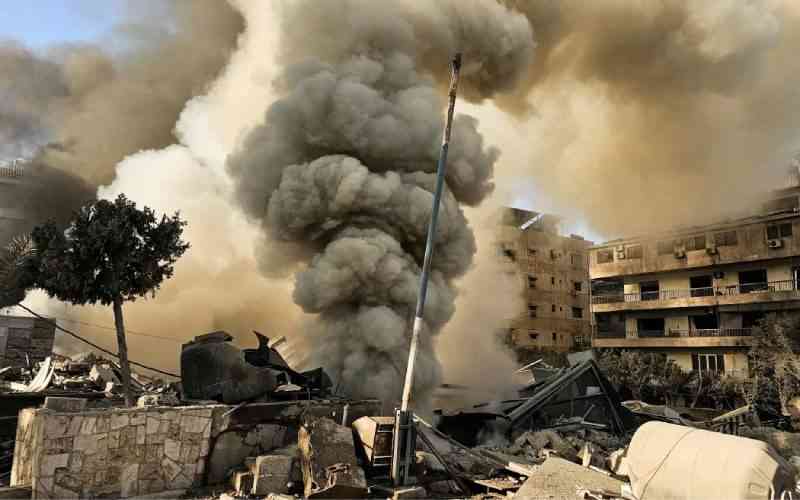
Early Friday morning, Israel said it carried out a new wave of strikes targeting what it described as “regime infrastructure” inside Iran’s capital.
Explosions were heard across parts of Tehran as the strikes hit their targets. The Israeli military says the operation is part of a broader campaign aimed at weakening Iran’s military capabilities.
According to Eyal Zamir, Israel’s military chief, the current phase of the operation is only the beginning of a larger strategy.
He warned that more actions are planned and hinted that additional military operations could follow.
Gulf countries on high alert
Across the Gulf region, several governments have already been forced to respond to incoming missile threats.
Saudi Arabia said it intercepted three ballistic missiles that were launched toward Prince Sultan Air Base.
Saudi authorities confirmed that the missiles were destroyed before reaching their target.
Diplomatic sources also reported heightened security in Riyadh, where some Western embassy staff were advised to shelter in place following recent attacks near the United States Embassy compound earlier in the week.
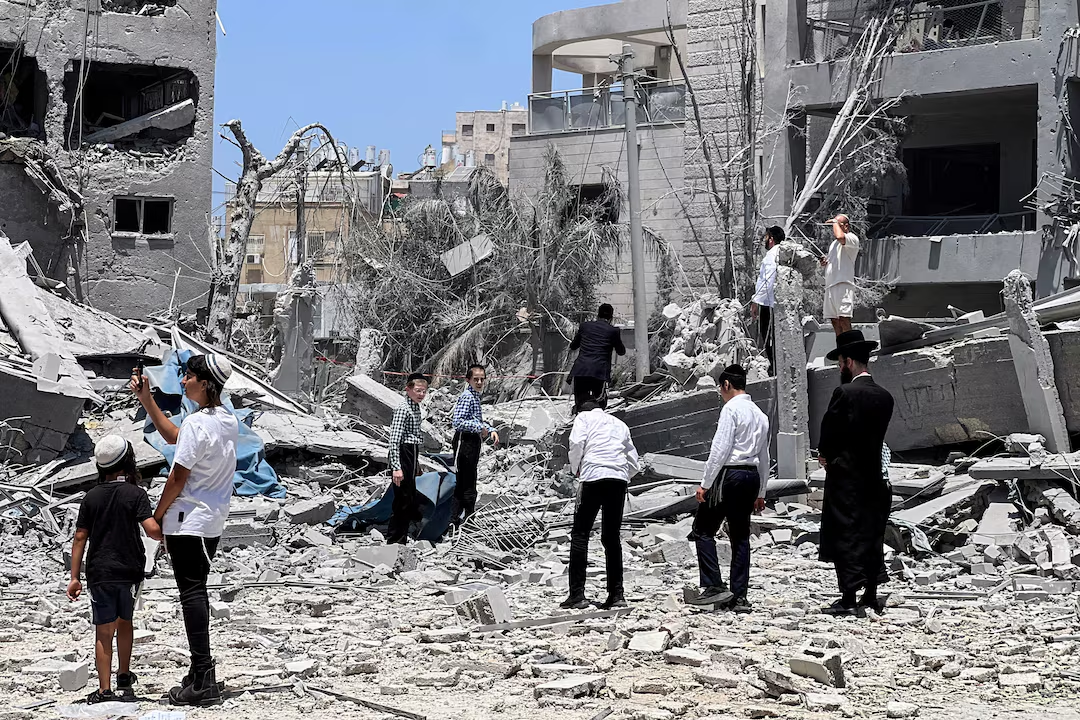
Meanwhile, neighbouring Bahrain reported that Iranian strikes had hit a hotel and two residential buildings in the capital Manama.
The attack came only a day after a missile strike caused a fire at the country’s main state oil refinery, raising fears that critical energy infrastructure could become a major target in the escalating conflict.
Lebanon death toll climbs after strikes
In Lebanon, the humanitarian cost of the conflict is becoming clearer.
Health officials say Israeli strikes have killed at least 123 people since the country was drawn into the conflict earlier this week.
More than 600 others have been injured.
The latest attacks reportedly targeted the southern suburbs of Beirut, an area that has historically been a stronghold of armed groups aligned with Iran.
For residents, the escalation is painfully familiar. Lebanon has long found itself caught in the crossfire whenever tensions flare between Israel and Iran.
NATO strengthens missile defence posture
The growing regional threat has also drawn in Western military alliances.
NATO confirmed it has increased its ballistic missile defence readiness after Iran launched a missile toward Turkey, one of the alliance’s member states.
The missile was shot down, but NATO officials said the incident highlighted the scale of the danger posed by what they described as “indiscriminate attacks across the region.”
All 32 NATO member states agreed that the alliance’s defence posture should remain at an elevated level until the threat subsides.
Yemen’s Houthis signal readiness to act
Another potential flashpoint lies further south.
Abdul Malik al-Houthi, leader of the Iran-backed Houthi movement in Yemen, said his group is ready to escalate its military response if necessary.
In a televised address, he warned that Houthi forces are prepared to launch strikes if developments on the battlefield require it.
The Houthis have previously targeted shipping routes and regional military bases, meaning their involvement could expand the conflict into vital global trade corridors.
Sri Lanka drawn into naval tensions
Far from the Middle East itself, the conflict has also spilled into the waters near Sri Lanka.
The country’s navy has taken control of an Iranian naval vessel after a deadly submarine attack earlier in the week sank another Iranian ship in nearby waters.
Sri Lankan authorities confirmed that more than 200 sailors from the ship IRIS Bushehr were removed and are now under Sri Lankan supervision.
The incident occurred shortly after a U.S. submarine attack on a separate Iranian vessel operating near the island.
Adding another geopolitical layer, Australia revealed that three of its military personnel were aboard the American submarine involved in the operation as part of training linked to the AUKUS defence partnership with the United States and Britain.
Egypt warns of economic pressure
While some countries face missiles and air strikes, others are feeling the impact economically.
President Abdel Fattah el-Sisi warned that Egypt is approaching an economic “state of near-emergency” due to rising inflation and financial pressure.
Speaking at a military academy event, he also warned traders against price gouging, suggesting that those exploiting the crisis could face prosecution in military courts.
The statement highlights how regional conflicts often ripple through economies far beyond the battlefield.
Trump weighs in on Iran’s leadership
The conflict has also sparked controversial comments from Donald Trump, who said he would support an offensive by Iranian Kurdish fighters against the Iranian government.
Trump also argued that he should have a role in selecting Iran’s next supreme leader following the reported killing of Ali Khamenei.
His remarks have stirred debate internationally, with critics saying the suggestion represents an extraordinary level of foreign involvement in Iran’s political future.
A conflict with global consequences
For people watching from afar, including in South Africa the war can feel distant. But global markets, oil prices and international travel routes are all deeply tied to stability in the Middle East.
Energy analysts warn that attacks on refineries or shipping routes in the Gulf could send fuel prices climbing worldwide.
On social media, many observers say the biggest fear is that the conflict could spiral into something even larger.
“Every day it feels like another country gets pulled in,” one user wrote on X.
Another comment captured the growing anxiety: “This is no longer just one war it’s turning into a regional crisis.”
For now, the situation remains fluid, with governments across the world watching closely.
And with new strikes, threats and military movements emerging almost daily, the next chapter of this conflict may already be unfolding.