The second half of 2026 has brought a wave of new sheet metal to South African shores. Despite economic pressures and shifting consumer preferences, manufacturers continue to launch vehicles that aim to capture the imagination and the wallets of local buyers. From electrified crossovers to updated versions of perennial favourites, the latest arrivals reflect a market in transition. Here’s what’s new and why it matters.
The Electric Wave Slowly Builds
South Africa’s electric vehicle adoption remains cautious, but manufacturers aren’t waiting. BYD has expanded its local lineup with the Seal, a sleek electric sedan that directly targets the Tesla Model 3. With a claimed range exceeding 500 kilometres and pricing that undercuts its American rival, it’s the most credible electric sedan yet to launch locally. The challenge remains infrastructure, but for early adopters with home charging, it’s a compelling package.
Volvo continues its electric-only transition with the EX30, a compact crossover that’s already turning heads. It’s small, quick, and beautifully appointed Volvo’s design language distilled into a city-friendly footprint. At a starting price just under R900,000, it’s positioned as a premium entry point to electric ownership.
Volkswagen has finally brought the ID.4 to South Africa, albeit in limited numbers. The electric SUV arrives with a price tag approaching R1.2 million, placing it firmly in luxury territory. It’s a sign of what’s coming rather than a volume player, but its presence gives local buyers a taste of Volkswagen’s electric future.
The Bakkie Market Heats Up
South Africa’s beloved bakkie segment is anything but static. Ford has refreshed the Ranger with subtle styling updates and enhanced technology, keeping its segment leader fresh. The big news is the continued roll out of the Ranger Plug-in Hybrid, arriving in dealerships now. It combines a 2.3-litre petrol engine with an electric motor, offering silent around-town driving and a power outlet that can run tools or camping equipment genuinely useful feature for local conditions.
Toyota counters with the Hilux GR-S II, a sportier iteration of its evergreen workhorse. It’s not a mechanical revolution, but the added visual aggression and slightly sharper handling appeal to buyers who want their bakkie to look the part. The 2.8-litre diesel remains the pick of the range.
GWM continues its assault on the affordable double cab segment with the P500, a full-sized bakkie that dwarfs its rivals. It’s unashamedly aimed at buyers who want American-scale presence without the American-scale price tag. Early reviews praise its cabin quality and equipment levels, though its long-term reliability remains to be proven.
Family Crossovers Evolve
The heart of the South African new car market remains the family crossover, and 2026 brings significant updates.
Hyundai has launched the new Tucson, with sharper styling and a revised interior. The 1.6-litre turbo petrol continues as the volume seller, but a hybrid version now joins the range for buyers willing to pay a premium for efficiency.
Kia counters with the updated Sportage, its sibling under the skin but with distinct styling. Both Korean offerings pack impressive equipment levels for their prices, continuing their assault on traditional Japanese dominance.
Toyota has refreshed the Corolla Cross, adding mild-hybrid technology to its popular petrol engines. It’s a small step toward electrification that doesn’t scare traditional buyers, improving fuel economy without complexity.
The Premium End Shifts
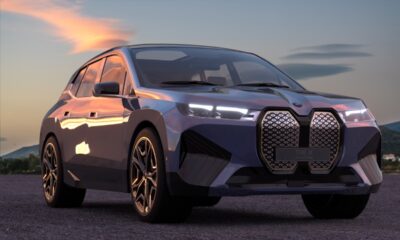
Luxury buyers haven’t been ignored. BMW has launched the new X3, sharper and more technologically advanced than its predecessor. The interior takes a significant leap forward, though the controversial exterior styling divides opinion.
Mercedes-Benz counters with the updated GLC, adding plug-in hybrid options to its range. It remains the default choice for suburban luxury, combining comfort with sufficient capability for light off-road use.
Audi has refreshed the Q5, its volume SUV, with subtle styling tweaks and enhanced hybrid options. None of these are revolutionary, but they keep the German brands competitive in a segment where buyers expect the latest technology.
What It All Means
The latest arrivals in South Africa tell a story of a market hedging its bets. Manufacturers are cautiously introducing electric options while continuing to invest in their petrol and diesel mainstays. Hybrid technology is spreading rapidly, offering a middle path that improves efficiency without demanding charging infrastructure. Bakkies remain the dominant force, with each update reinforcing their centrality to the local market.