Motoring
The Bakkie Buyer’s Bible: Your Guide to Finding the Perfect Workhorse
In South Africa, a bakkie is more than a vehicle. It’s a way of life. It’s the farmer’s lifeline, the tradesperson’s office, the adventurer’s ticket to the wild, and for many families, the one vehicle that does everything. Whether you’re hauling equipment, towing a boat, or loading up for a weekend away, the right bakkie becomes an essential part of your daily existence.
But with so many options on the marketfrom affordable single cabs to luxurious double cabs, from petrol to diesel, from new to well-usedfinding the right one can feel overwhelming. This guide breaks down everything you need to know about buying a bakkie in South Africa.
What Kind of Bakkie Do You Actually Need?
Before you start scrolling through listings, ask yourself one honest question: what will this bakkie actually do?
-
If you need a dedicated work vehicle: A single cab with a large load bed is your answer. These are pure toolsno frills, just functionality. They’re designed to carry heavy loads, handle rough terrain, and keep working when other vehicles give up.
-
If you need to carry family and cargo: A double cab offers five seats and a smaller load bed. It’s the compromise that lets you drop the kids at school and pick up building materials on the way home. You’ll sacrifice some payload for passenger space.
-
If you’re an occasional hauler: An extended cab (sometimes called a club cab) offers extra storage behind the front seats without the full double-cab layout. It’s a middle ground that works for those who need occasional passenger capacity but prioritize load space.
The Budget Breakdown
Under R100,000: You’re in the territory of high-mileage workhorses. Think early 2000s Toyota Hilux, Nissan NP300 Hardbody, or Ford Ranger. These bakkies have lived full lives. Your priority is finding one with a solid service history and no structural rust. Petrol engines are generally safer bets at this pricediesel repairs can cost more than the vehicle itself.
R100,000 to R200,000: This bracket opens up newer models with lower mileage. You can find well-maintained Nissan NP200s, later-model Ford Rangers, and Toyota Hiluxes with decent service records. Double cabs become more accessible at this level, though they’ll have higher mileage than equivalent single cabs.
R200,000 to R350,000: This is the sweet spot for reliable double cabs. You’re looking at Toyota Hilux, Ford Ranger, and Isuzu D-Max models from the past decade with reasonable mileage. Many will still have balance of warranty or service plans. This is where you can find a bakkie that feels modern, drives well, and won’t demand constant attention.
R350,000 and above: The premium segment. Newer models, lower mileage, full service histories. You’re buying convenience, warranty coverage, and the latest technology. If your budget stretches this far, you have genuine choice among all the major brands.
The Contenders: A Quick Guide
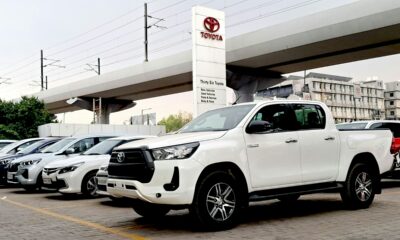
Toyota Hilux: The undisputed king of the South African bakkie market. Its reputation for reliability is earned. Resale value is peerless. But that reputation comes at a priceyou’ll pay more for a Hilux than for comparable models. If you can afford it, and you value peace of mind above all, it’s hard to go wrong.
Ford Ranger: The Hilux’s closest rival. The Ranger often offers more car-like comfort and modern features. The 2.2 and 3.2 diesel engines are strong, but demand meticulous maintenance. A well-cared-for Ranger is a joy; a neglected one can be expensive.
Isuzu D-Max: The quiet achiever. Isuzu has built a reputation for diesel durability that rivals Toyota’s. The D-Max is often overlooked, which means you can sometimes find better value than the equivalent Hilux. Owners tend to be loyal for a reason.
Nissan NP200/NP300: The NP200 is the king of the small bakkie segmentperfect for urban tradespeople and light duty. The NP300 Hardbody is the old-school workhorse: basic, tough, and unkillable. If you need pure utility without the price tag of a Hilux, Nissan deserves a serious look.
GWM / Haval: Chinese brands have made significant inroads. The GWM Steed and P-Series offer tremendous value for moneymore features for less cash. Reliability is improving, but long-term durability is still being proven. For budget-conscious buyers willing to take a chance, they’re worth considering.
Petrol vs. Diesel: The Eternal Question
This is the single most important decision you’ll make.
Diesel offers better fuel economy, particularly when loaded or towing. Diesel engines typically last longer than petrol engines when properly maintained. But diesel repairsinjectors, turbos, fuel pumpscan be catastrophically expensive. A R50,000 repair bill on a R150,000 bakkie is not uncommon.
Petrol is simpler, cheaper to repair, and more forgiving of neglect. You’ll pay more at the pump, especially when carrying heavy loads. But you’ll sleep better knowing that a major failure won’t bankrupt you. For most buyers in the R100,000 to R200,000 bracket, petrol is the safer choice.
The Inspection Checklist
When you find a candidate, don’t fall in love with the paint. Get under it.
-
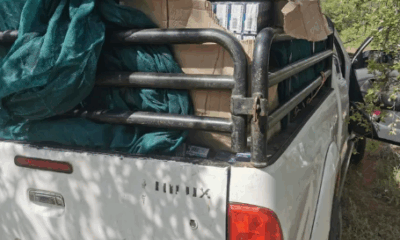
The Load Bed: Jump in the back. Push on the floor. If it flexes, if you see light through rust holes, if the bed has been patched with fibreglass, walk away. A rotten load bed is a structural nightmare.
-
The Chassis: Crawl underneath. Look for rust, especially near suspension mounting points and crossmembers. Surface rust is cosmetic. Bubbling, flaking rust that you can poke through is a deal-breaker.
-
The Cold Start: Never look at a warm engine. A cold start reveals the truth. Listen for knocks, rattles, or excessive smoke. Blue smoke means oil burning. White smoke could indicate a head gasket issue.
-
The Clutch: Drive it. The clutch should engage smoothly about halfway up. If it bites right at the top, slips under acceleration, or judders when pulling away, budget for a replacement.
-
The 4×4 System (if applicable): Engage both high and low range. It should shift smoothly without grinding. Drive it briefly in 4×4 to ensure it’s actually working. A failing transfer case is a R20,000 repair.
-
The Service History: A folder of receipts is not a bonusit’s a necessity. Look for regular oil changes, evidence of major services, and consistent care. Without it, assume the worst.
Where to Look
-
Online marketplaces: AutoTrader, Cars.co.za, Facebook Marketplace, and Gumtree are the primary hunting grounds. Be wary of deals that seem too good to be true.
-
Dealerships: Larger dealerships offer certified pre-owned options with warranties. You’ll pay more, but you’re buying accountability.
-
Auctions: Repossessed bakkies can be bargains, but they’re sold “voetstoots”as is, with no warranty. Only go this route if you know what you’re doing.
-
Word of mouth: The best deals often never reach the internet. Tell people you’re looking. You might find the “oupa special” before it’s advertised.
The Final Word
Buying a bakkie is an investment in work, adventure, and independence. The right one will serve you faithfully for years, carrying whatever you throw at it with quiet reliability. The wrong one will drain your wallet and test your patience.
Take your time. Do your research. Get an independent inspection. And remember: at the end of the day, the best bakkie isn’t the one with the most features or the lowest price. It’s the one that does what you need it to do, day after day, without complaint.
Follow Carmag on Instagram and Facebook
Click here to browse a selection New and Used Cars for Sale