Ceasefire clock ticks as US and Iran trade warnings and peace talks hang in the balance
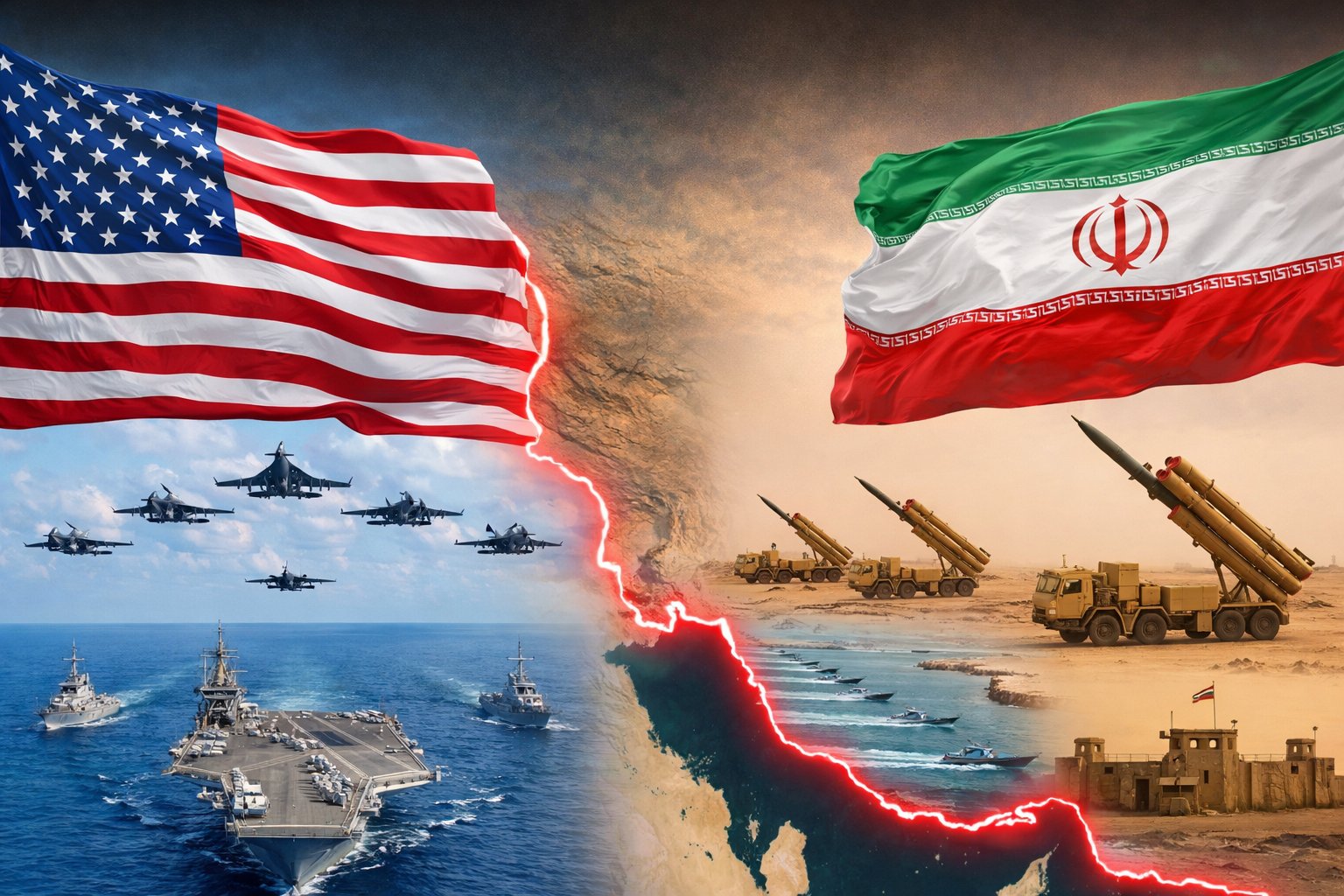
The countdown to a fragile ceasefire is creating fresh anxiety across the world, with the United States and Iran both signalling they are ready for conflict if diplomacy collapses.
As Tuesday’s truce deadline approached, hopes for renewed negotiations were mixed with threats, accusations and market nerves. What was meant to be a cooling-off period now looks more like a pause before a possible next chapter.
For anyone watching fuel prices, stock markets or the wider Middle East, this is no distant dispute.
Talks planned, but Tehran sends mixed signals
The United States said Vice President JD Vance was prepared to travel back to Islamabad for a second round of talks.
Those meetings were expected to take place in Pakistan, which has recently become an unexpected diplomatic venue in the crisis.
But Iran did not confirm attendance. Instead, Tehran accused Washington of violating the truce through a blockade of Iranian ports and the seizure of a vessel.
That has left the proposed talks hanging in uncertainty.
Trump hardens stance
Donald Trump said Iran was expected at the talks and warned that if the ceasefire expires, renewed bombing could follow.
He also suggested an extension of the current truce was unlikely.
Trump has repeatedly linked any easing of pressure to a broader deal involving Iran’s nuclear programme. In recent remarks, he said measures against Tehran would remain until an agreement is reached.
The message from Washington appears clear: negotiations must deliver results quickly.
Strait of Hormuz back in focus
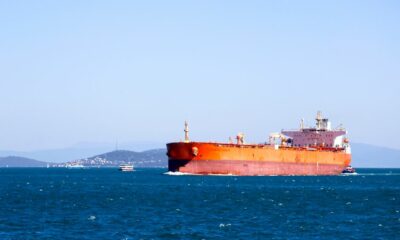
One of the most sensitive pressure points is the Strait of Hormuz, the narrow shipping route through which a large share of the world’s oil moves every day.
Iran’s Revolutionary Guards warned they could target vessels passing through without permission. The US has accused Tehran of interfering with maritime traffic there.
For South Africans, this matters more than it may seem. Disruption in the Gulf often filters directly into higher fuel costs, shipping delays and inflation pressure at home.
Motorists already dealing with tight household budgets know that global tension can show up quickly at the petrol pump.
Markets react with caution
Oil prices dipped on Tuesday after earlier spikes, suggesting traders still believe diplomacy may prevail.
Most stock markets also edged higher, but cautiously. Investors know one statement, one strike or one failed meeting can reverse sentiment within hours.
That nervous mood has become familiar in 2026: markets rally on peace rumours, then retreat on military threats.
Daily life in Iran remains tense
Even where daily routines have partially resumed in Tehran during the ceasefire, residents reportedly say the atmosphere remains strained.
Concerns about the economy, uncertainty and the long-term impact of war continue to weigh heavily.
That reminder is important. Behind every geopolitical headline are ordinary people trying to buy food, commute to work and keep families safe.
Another front: Israel and Lebanon
The regional picture remains complicated.
A separate ceasefire involving Israel and Lebanon was announced recently, with a second round of talks expected in Washington.
However, sporadic violence continues, showing how interconnected and unstable the wider region remains.
Even if one front cools, another can flare up.
The uranium dispute still unresolved
A major sticking point in US-Iran negotiations is Tehran’s stockpile of enriched uranium.
Trump recently said Iran had agreed to hand it over, but Iran’s foreign ministry publicly rejected that claim, saying such a transfer was never on the table.
That contradiction highlights the biggest challenge in modern diplomacy: both sides often speak to different audiences at the same time.
Why the next 48 hours matter
If talks happen and produce progress, markets may steady and tensions could ease.
If they fail, or never begin, the region could move back toward open conflict with global consequences.
For South Africans watching rand movements, fuel prices and investment markets, this story is not just about Washington or Tehran. It is about how quickly instability elsewhere can reach local wallets.
Right now, the ceasefire clock is ticking louder than ever.