
News
Eastern Cape child abuse crisis: experts demand urgent government action
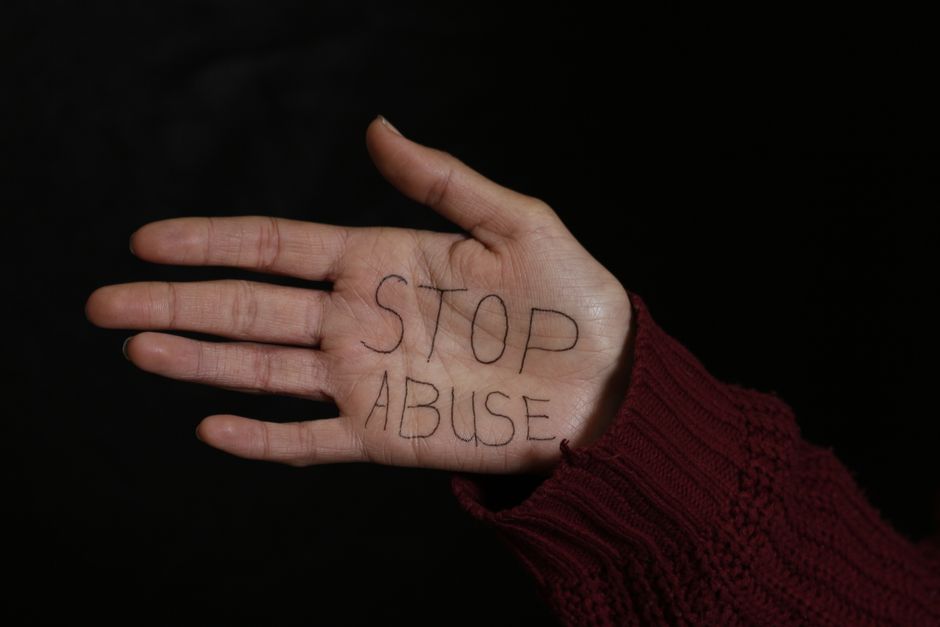
Advocacy groups and child protection experts have called for urgent government action after provincial figures revealed large numbers of child murders, rapes and abuse cases in the Eastern Cape for the 2025/26 financial year.
Shocking provincial statistics
The Eastern Cape Community Safety MEC, Xolile Nqatha, provided figures in response to questions from the Democratic Alliance in the provincial legislature showing that in the 2025/26 financial year there were 175 children murdered, 160 child abuse cases recorded and 2,103 child rape cases reported to the police.
Calls for a child protection turnaround
The Democratic Alliance said it has written to the MEC’s office demanding that his department, in collaboration with the South African Police Service (SAPS), “put together a child protection turnaround plan, with clear targets for reducing unresolved cases, improving investigations, strengthening support for child victims, and ensuring better coordination between SAPS, department of social development, department of health, education department, Thuthuzela Care Centres, and the prosecuting authorities.”
Voices from child protection organisations
Okuhle Mdodana, Director for Childline South Africa in the Eastern Cape, described the statistics as representing “an unacceptable failure to protect the most vulnerable members of society.”
“Each number is a child whose life was cut short or irreparably harmed, often by people they knew and trusted. This level of violence against children is a profound moral crisis that demands immediate national attention.”
Mdodana said many cases involve perpetrators known to the child and listed factors she said exacerbate risks, including alcohol and drug abuse, absent or overwhelmed caregivers, harsh parenting, and overcrowded living conditions. She said weak law enforcement, low conviction rates, under-resourced child protection services and slow justice processes contribute to the problem and that underreporting means the statistics are not a true reflection of the scale of abuse.
Mdodana outlined a range of measures she said are needed, including:
- Community initiatives such as safe parks, after-school programmes, and men’s engagement in caregiving
- Faster investigations, higher conviction rates and better resourcing of police family violence, child protection and sexual offences units and specialised courts
- Enforcement of mandatory reporting with support for victims and whistleblowers
- Targeted poverty alleviation, job creation, substance abuse treatment, and family support services
- Strengthening child protection registers and social worker capacity
- Integrating comprehensive sexuality education, rights awareness and violence prevention in schools
- Engaging traditional leaders, faith communities and civil society and holding leaders accountable
Shaheda Omar, clinical director at the Teddy Bear Foundation, noted that >2,100 child rape cases opened in a single year meant that, on average, almost six children were sexually violated every day in the province. She said the 175 child murders represent “the ultimate failure of protection.”
“Children should be the safest members of society, yet many are experiencing violence in the very places where they should be protected – their homes, schools, communities, and sometimes even by people they know and trust.”
Omar also pointed to delays in investigations, shortages of social workers and psychologists, and insufficient safe care placements as contributing problems.
Robyn Wolfson Vorster, a child protection activist and founder of For the Voiceless, said the published statistics are likely not an accurate reflection of the full extent of the problem because much violence against children goes unreported or underreported. She described links between violence against children and other social problems such as poverty, unemployment, overcrowding, poor service delivery, gang and gender-based violence.
Government response
Bukiwe Fanta, Eastern Cape MEC for social development, said the department was concerned about the alarming statistics and said, “These figures are not just numbers; they represent innocent lives lost, families shattered, and communities in deep mourning.”
What experts say needs to change
Experts and advocacy groups who reacted to the official figures urged faster, better-resourced investigations, stronger coordination between departments and agencies, expanded prevention and community support programmes, and improved capacity in social work and specialised services to support child victims. They said these steps are necessary to address what they described as a moral and protection crisis for children in the province.
Follow Joburg ETC on Facebook, Twitter, TikTok and Instagram
For more News in Johannesburg, visit joburgetc.com
Source: citizen.co.za


