Artificial Intelligence
Doctors warned AI could leave them behind if they refuse to adapt
Doctors and other healthcare professionals who refuse to adapt to artificial intelligence could find themselves falling behind in an industry that is changing rapidly.
That was one of the strongest messages to emerge from discussions at the three-day World Health Expo at the Gallagher Convention Centre in Johannesburg, where medical experts and experienced practitioners explored the growing role of technology in healthcare.
Rather than viewing AI as a replacement for doctors, panellists argued that medical professionals should learn how to use it as a tool to improve their work.
AI could change how doctors work
International experts at the expo discussed how artificial intelligence and other digital tools could increasingly become part of everyday medical practice.
The message was not necessarily that AI will replace doctors altogether.
Instead, experts warned that doctors who fail to understand and use new technology could eventually be the ones most at risk of losing relevance.
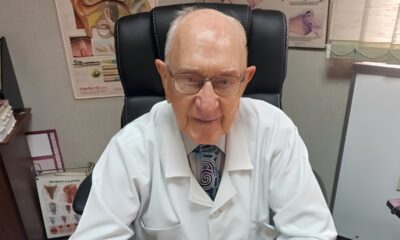
A Zimbabwean doctor told the gathering that healthcare professionals need to become digitally literate if they want to take advantage of what AI can offer.
The concern extends beyond doctors.
Nurses, physiotherapists and other healthcare workers could also be affected as digital systems become more common in medical environments.
“If you lack these skills, you will become redundant,” the doctor warned.
Digital literacy is becoming essential
For medical professionals, adapting to AI could require more than simply learning how to use a new piece of software.
Experts said healthcare workers need to understand the technology, its limitations and how to incorporate it responsibly into their existing practices.
AI was described as a potential enhancement to healthcare rather than something that should automatically be treated as a threat.
The shift also raises questions about training.
As technology becomes increasingly embedded in healthcare, medical education and professional development may need to place greater emphasis on digital skills.
Regulation is struggling to keep up
One of the challenges raised during the discussions was the speed at which technology is developing.
New AI-powered tools and digital medical technologies can reach the market faster than regulators are able to establish appropriate frameworks around them.
That creates concerns about patient safety, accountability and the responsible use of sensitive medical information.
At the same time, panellists warned against creating regulations so restrictive that they prevent useful innovation from developing.
The challenge, they suggested, is finding a balance between protecting patients and allowing healthcare technology to evolve.
What about traditional medicine?
The discussion also moved beyond conventional Western healthcare.
Some audience members raised concerns that the rapid growth of AI could marginalise traditional healers and traditional medical knowledge, particularly in African communities.
South Africa has a history of interaction between traditional healers and Western medical practitioners, including areas of collaboration and research.
Participants questioned whether increasing reliance on technology could weaken those relationships.
One suggestion was that traditional healers should also be encouraged to engage with technology rather than being left outside the digital transformation taking place across healthcare.
Protecting African medical knowledge
There were also concerns about what happens to traditional knowledge when it enters increasingly digital systems.
Participants raised the possibility that AI could both preserve and threaten traditional knowledge, depending on how the technology is developed and used.
There were fears that traditional African knowledge could be absorbed into digital systems without sufficient protection or recognition, potentially creating another threat to cultural identity.
The discussions ultimately pointed to a much bigger issue than whether AI will replace doctors.
Healthcare professionals, traditional healers, researchers and policymakers are all facing the same challenge: how to adapt to rapidly changing technology without losing the human, cultural and ethical foundations of healthcare.
For doctors, however, the message from the expo was clear. AI may not replace the medical professional who knows how to use it, but refusing to learn could eventually leave them behind.
Follow Joburg ETC on Facebook, Twitter, TikTok and Instagram
For more News in Johannesburg, visit joburgetc.com
Source: The Citizan