News
Johannesburg residents face R120 000 fines as water restrictions tighten
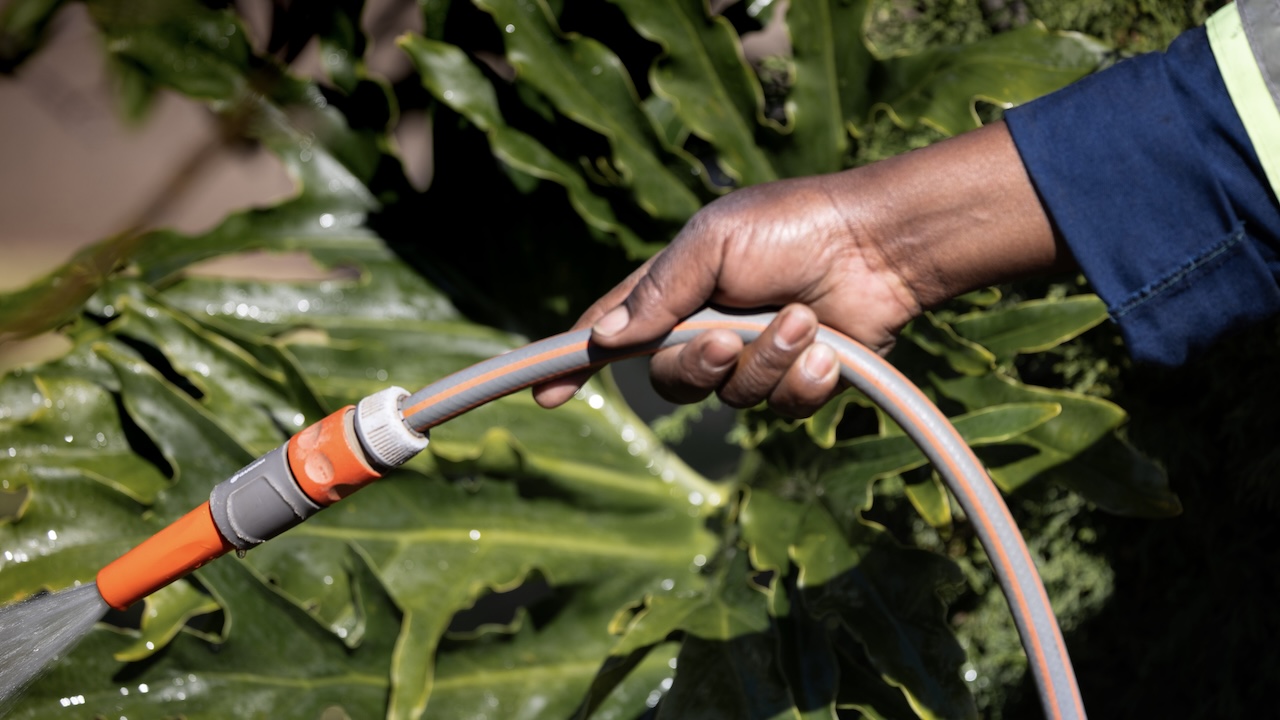
Johannesburg residents who continue watering their gardens, rinsing driveways or using municipal water to maintain their lawns could face fines of up to R120 000 as the city steps up efforts to tackle its growing water crisis.
Level 2 water restrictions came into effect on Saturday, 21 November, following mounting pressure on Rand Water’s supply system and concerns that Johannesburg’s consumption is exceeding its allocated limits.
The tougher restrictions come at a particularly difficult time for residents, with water shortages already affecting several parts of the city. Households in the northern, eastern, western and southern regions have experienced supply problems, while reservoirs serving areas have come under pressure, including:
- Brixton
- Crown Gardens
- Meadowlands
- Steyn City
The City of Johannesburg and Johannesburg Water say the restrictions are aimed at reducing daily consumption by 200 million litres to help restore reservoir levels and prevent further deterioration of the supply situation.
But with higher tariffs also on the way, residents are facing a difficult combination of reduced water availability and potentially higher household bills.
Watering your garden is now completely off-limits
According to DailyMaverick, the biggest change between Level 1 and Level 2 restrictions is that residents can no longer water their gardens with municipal water at any time of the day.
Previously, garden watering was prohibited between 06:00 and 18:00. Under the new rules, the ban applies around the clock.
Residential, commercial and institutional water users are prohibited from using municipal water to:
- Water private or public gardens, lawns, parks and open spaces.
- Wash or rinse pavements, driveways and other surfaces.
- Moisten building sand.
The restrictions also place additional responsibilities on municipal departments and contractors. Public parks and gardens may no longer be watered using municipal drinking water, while the Johannesburg Roads Agency is expected to use treated effluent as an alternative to municipal supplies.
The message from the authorities is clear: non-essential water consumption needs to come down, and residents are expected to change their habits.
Breaking the rules could cost R120 000
The financial consequences of ignoring the restrictions could be substantial.
Johannesburg Water’s executive manager for stakeholder relations and communications, Nondumiso Mabuza, confirmed that residents who are convicted of violating the City’s water services by-laws could face a fine of up to R120,000 or imprisonment for up to 36 months.
Mabuza pointed to Section 133(3) of the City of Johannesburg Water Services By-laws, 2023, which sets out the penalties for offences. She also warned that continued violations could attract additional daily fines after the City has issued notice.
Importantly, the R120 000 figure is the maximum criminal fine provided for in the by-laws, rather than an automatic penalty for every resident caught watering a garden.
Johannesburg Water says it will assess the effectiveness of the restrictions by monitoring three key indicators: daily consumption, the recovery of reservoirs and water towers, and improvements in the reliability of supply.
Johannesburg is not the only city struggling
The situation in Johannesburg forms part of a wider water supply challenge affecting municipalities that rely on Rand Water.
Reportedly, Tshwane introduced its own Level 2 restrictions on 12 November, with the municipality reporting that its consumption had exceeded its permanent Rand Water allocation by 34%. Mogale City has also moved to Level 2 restrictions after exceeding its allocation by 6.7%.
In Tshwane, residents face fines starting at R5 000 for contravening restrictions that prohibit activities such as watering gardens with municipal drinking water, washing vehicles with hosepipes and filling swimming pools.
The municipality initially introduced the measures for 30 days as it attempts to bring demand under control. However, the enforcement approach has also sparked criticism, raising questions about how much responsibility should fall on residents when municipal infrastructure continues to lose enormous volumes of water.
Water crisis raises questions about municipal accountability
While residents are being told to use less water, the condition of municipal infrastructure remains a major part of the problem.
In Tshwane, civil rights organisation AfriForum has criticised the municipality for targeting household water use while significant quantities continue to disappear through leaking pipes and infrastructure failures.
The organisation pointed to the metro’s 2024/2025 audited financial statements, which recorded approximately R1.36 billion in financial losses linked to physical water losses. AfriForum estimates that the figure has since increased, with water losses rising from around 31% to 35%. It puts the current annual cost at approximately R1.5 billion, or R4 million a day.
Llewellynn Hemmens, AfriForum’s spokesperson for Community Structures in Pretoria, accused the municipality of applying different standards to residents and its own operations.
‘It is ironic that the Tshwane Metro holds residents accountable by issuing warnings and seeking to impose fines for alleged water wastage.’ – Llewellynn Hemmens, AfriForum’s spokesperson for Community Structures in Pretoria.
He argued that repairing leaking pipes and improving infrastructure maintenance should be a priority alongside restrictions on household consumption. Although the criticism relates specifically to Tshwane, it highlights a broader issue facing South African municipalities: water conservation cannot depend on residents alone if infrastructure losses remain high.
📢 Level 2 water restrictions start today across Johannesburg until further notice.
The restrictions aim to reduce water demand by 200 million litres per day to help reservoirs recover & improve the reliability of water supply. Please use water sparingly.
#JoziSaveWater https://t.co/TIeYgjisbr
Johannesburg Water (@JHBWater) November 21, 2026
Poor households could carry a heavier burden
There are also concerns about how the latest restrictions will affect Johannesburg’s most vulnerable communities. The Water Crisis Committee has welcomed the need to reduce consumption but warned that the impact must be considered against the city’s existing inequalities.
The committee reportedly raised concerns about plans to reduce supply volumes by 20% in areas with deemed-consumption and prepaid meters. These areas are largely home to working-class and poorer households, many of which already experience unreliable water supplies.
The committee wants the City to ensure that the biggest reductions are initially directed at high-consumption areas, particularly where water is still being used to maintain large gardens and fill swimming pools. It has also called for alternative water supplies to be made available before communities experience outages lasting 24 hours or longer.
Water justice advocate and WaterCan executive director Dr Ferrial Adam acknowledged that restrictions alone would not resolve Johannesburg’s underlying problems. However, she said they were necessary to prevent an even worse situation for residents.
‘They have to put into place something that can allow us to have water for longer. What is worrying is that if we don’t do this, a lot of homes will not have water for a long period of time.’
– Dr Ferrial Adam, WaterCan executive director
She described the crisis as a combination of problems, including inadequate infrastructure, climate change, El Niño and mismanagement. Her warning was that while government failures must be addressed, immediate action is needed to prevent the situation from deteriorating further.
Higher water bills are also coming
Residents will have another financial consideration from 1 December, when Johannesburg Water’s updated Level 2 restriction tariffs take effect. The revised tariffs are, on average, 8% higher than those applied under Level 1 restrictions.
The City’s 2026/27 Water and Sanitation Comparative Tariff Schedule provides for billing adjustments according to the severity of the water crisis.
This means households could face higher water charges at a time when restrictions are limiting how they can use municipal supplies. The combination of stricter rules, possible criminal penalties and increased tariffs is likely to put water conservation firmly on the agenda for Johannesburg households.
Be the first to know – Join our WhatsApp Channel for content worth tapping into! Click here to join!
Follow Joburg ETC on Facebook, Twitter, TikTok and Instagram
For more News in Johannesburg, visit joburgetc.com
Featured Image: Magda Ehlers / Pexels