News
SAA captain fights to salvage career after turbulence dispute heads to High Court
Captain Yvette Walsh, a 23-year veteran, has taken SAA to the High Court after an October 2024 turbulence incident. The airline says the case is sub judice.
Veteran captain seeks independent probe after mid‑air turbulence incident
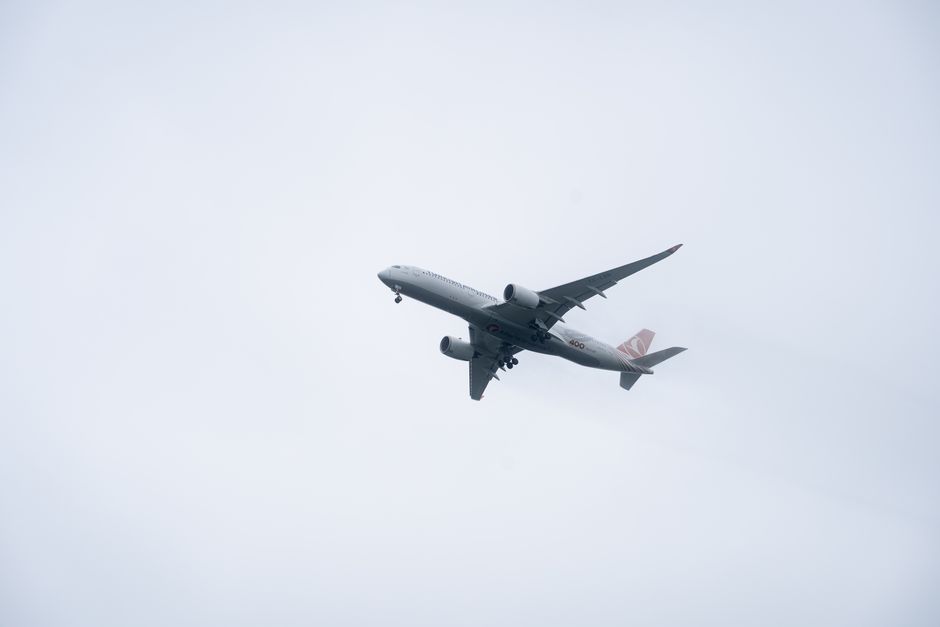
Captain Yvette Walsh, a pilot with a 23‑year flying record, has taken South African Airways (SAA) to the High Court after being held responsible by the airline for a mid‑air turbulence incident that injured crew members. The episode took place in October 2024 aboard an Airbus A330‑300 on a flight from Cape Town to OR Tambo International Airport, and the legal challenge seeks an independent investigation into what happened in the cockpit.
What the airline and the pilot say
SAA has declined to comment on the merits of the court action, citing the ongoing legal proceedings. The airline’s public response was supplied through spokesperson Mphilo Dlamini, who emphasised the limits on comment while the matter is sub judice.
“As the matter is currently before the courts and remains sub judice, SAA is not in a position to comment on the merits of the case or issues that form part of the ongoing legal challenge.”
“The airline remains committed to the highest standards of safety, regulatory compliance, and operational integrity.”
Walsh has argued she has not been given a fair opportunity to challenge findings that could have serious consequences for her career and is therefore seeking a fresh, independent review of the October 2024 incident.
How the incident unfolded, according to reviews and crew accounts
On the flight in question, the aircraft encountered turbulence that produced erratic pitching and movements. Walsh and the flight’s captain, Craig Pearce, initially attributed the behaviour to severe weather and a flight characteristic commonly referred to as porpoising, in which an aircraft pitches up and down rapidly.
Subsequent reviews by Airbus and the South African Civil Aviation Authority (SACAA) reportedly concluded that manual control inputs by Walsh contributed to the aircraft’s unstable flight path. Those findings placed her under scrutiny, and she was grounded while further processes continued.
Legal and workplace steps taken so far
Walsh has launched urgent proceedings seeking an independent inquiry. SAA opposed that urgent application, telling the court there was no need for a separate probe and arguing that any urgency was brought on by the applicant herself.
The High Court removed the matter from the urgent roll; the case will now proceed through the normal High Court process next year. For the moment, Walsh remains on medical leave while the legal dispute plays out, and the final outcome will determine whether she is able to return to flying duties.
What this dispute means for safety and procedure
The airline has told the court it continues to operate in line with civil aviation legislation, regulatory requirements and internationally recognised standards, and that its internal policies and governance frameworks guide operational decisions. The airline also said the dispute did not involve continuing safety concerns relating to the aircraft.
Where disputes over pilot conduct and technical reviews arise, independent investigations can be requested to ensure transparency and to allow affected staff to challenge findings. Such processes are intended to balance operational safety, regulatory accountability and individual employment rights without prejudicing safety outcomes.
Why an independent probe matters to the pilot
For an experienced pilot like Walsh, a formal finding that she contributed to an unstable flight path carries potential career consequences. Her legal challenge centres on access to a fair process and the opportunity to have contested conclusions examined by an independent body rather than only internal or regulator reviews.
What to expect next
The High Court will consider the matter through the normal timetable set for civil cases. That hearing will determine whether an independent investigation is ordered and will influence any employment or regulatory decisions that follow. Until then, the airline has limited its public statements and the captain remains off duty on medical leave.
Context for readers
Conflicts between airline management, regulators and crew over incident findings are not unusual in the aviation sector. When disagreements arise about the causes of in‑flight events, the options commonly considered include additional technical analysis by manufacturers, regulator-led reviews and independent inquiries each with different scopes, powers and timelines. These mechanisms exist to protect safety while also ensuring that individuals can contest adverse findings affecting their careers.
This is an ongoing legal and workplace dispute involving specific parties. The facts in this report are drawn from the record of the incident and the statements placed before the court; further developments will be reported as they become available.
Follow Joburg ETC on Facebook, Twitter, TikTok and Instagram
For more News in Johannesburg, visit joburgetc.com
Source: citizen.co.za