News
High Temperatures Force Airlines to Cut Loads at Johannesburg Airport
Extreme summer heat at Johannesburg’s OR Tambo Airport is forcing airlines to reduce passenger, baggage, and cargo loads for safe takeoff, experts warn.
Summer Heat and Aircraft Performance
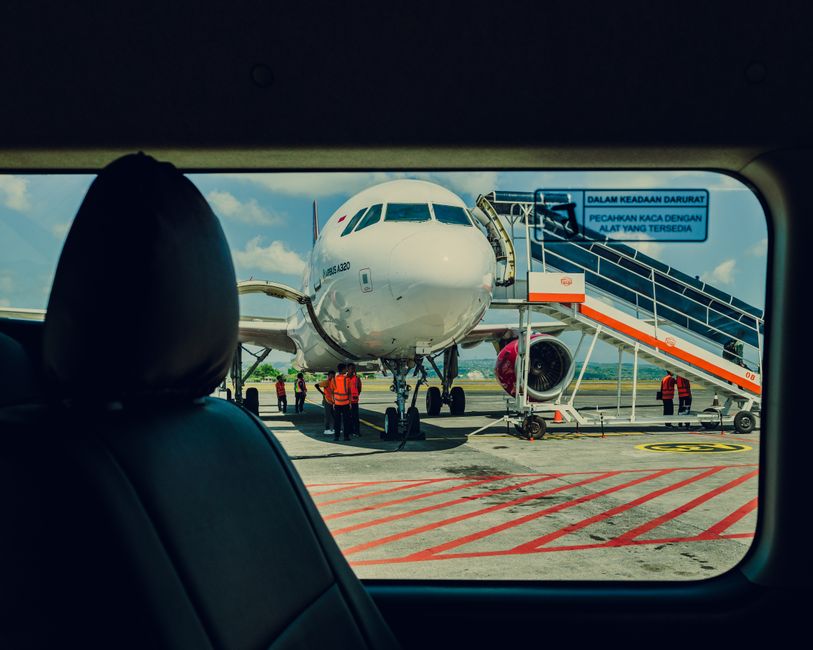
Recent high temperatures, spurred by the El Niño weather system, are prompting airlines to consider significant passenger, baggage, and cargo reductions to maintain safety standards. South African Airways (SAA), Airlink, and LIFT have all confirmed that when temperatures surge, they may be forced to lighten the loads their aircraft carry out of Johannesburg and similar high-altitude locations.
SAA spokesperson Mphilo Dlamini explained that their performance models show noteworthy reductions to a jet’s maximum permitted takeoff weight as the temperature climbs. For an Airbus A330, the maximum permitted takeoff weight can fall by up to 20 tons from temperatures of 25ºC to 40ºC. Larger aircraft flying long-haul face even greater weight restrictions, especially when higher fuel reserves are required for lengthy journeys.
How Weight Restrictions Impact Passengers and Cargo
Dlamini detailed that for an Airbus A320, the permitted takeoff weight drops from about 77 tons at 25ºC to 73.5 tons at 40ºC. In an Airbus A340, the permitted weight plunges from 261 tons to just 227 tonsa 34-ton reduction.
Under cooler conditions, an SAA analysis showed an A340 loaded for a long-haul flight might be able to carry a payload of 44 tons. But at 40ºC, that payload could shrink to only 10.5 tons once fuel needs are met.
Why Hot Weather Affects Takeoff
Warren Penney, LIFT’s Chief Pilot of Flight Operations, explained that hot weather leads to reduced air density.
“High temperatures reduce air density, resulting in reduced engine thrust and aerodynamic performance. This can increase takeoff distances and reduce climb performance,”
he said. The altitude of OR Tamboabout 5,558 feet above sea levelintensifies the effect, creating especially tricky conditions for departures during heat waves.
Penney added that temperatures above 30ºC demand special operational attention, though there’s no set temperature that universally triggers load restrictions. Instead, performance is calculated before each departure according to current conditions, including temperature, air pressure, wind, runway status, and the aircraft’s weight.
Understanding Density Altitude
An Airlink spokesperson noted that this phenomenon is technically called “density altitude,” which refers to the effective altitude at which an aircraft behaves due to the thinness of the air. The higher, hotter, and more humid the air, the more challenging it is for a plane to generate lift. Lower air density at ground level means airplanes require longer runways to take off, putting extra pressure on every kilo loaded onto the aircraft.
If the required takeoff run exceeds the available runway, airlines must make the aircraft lighter. This means removing cargo first, then reducing fuel within regulatory limits, and finally limiting baggage or even the number of passengers, if necessary. Critical cargo such as lifesaving medicines or human organs for transplant, however, will be prioritized and not removed.
Operational Strategies
When load reductions aren’t enough, airlines may also reschedule certain flights to cooler periods, such as early morning or evening departures. While this approach can make departures safer, it may cause delays for passengers and complicate onward connections, as aircraft and crew schedules become disrupted.
The ultimate goal is ensuring that every departure from Johannesburg can be made safely under challenging temperature and altitude conditions. High summer temperatures, particularly during weather events like El Niño, make it likely that more passengers will encounter delays, offloaded bags, and weight-related restrictions at the airport.
Broader Implications for Air Travel
These operational adjustments highlight the intersection of weather, geography, and aviation safety. High-altitude airports worldwide face similar loading and performance limitations during hot weather seasons.
While airlines strive to minimize the impact on travelers, those flying from OR Tambo and other elevated African airports this summer should be aware that changing weather patterns may play an unexpected role in their travel plans.
Follow Joburg ETC on Facebook, Twitter, TikTok and Instagram
For more News in Johannesburg, visit joburgetc.com
Source: citizen.co.za