News
Ramaphosa warns further fuel relief would mean diverting funds from other programmes
Ramaphosa warns further fuel-price relief could mean diverting funds from other programmes. Government previously spent R24bn; a proposed R10bn is under debate.
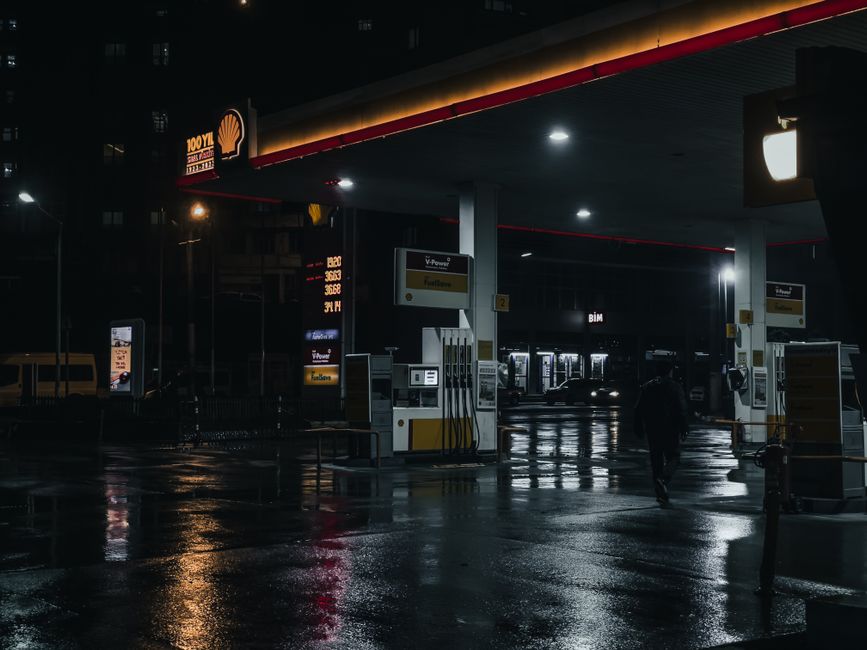
President signals caution as government weighs more fuel support
President Cyril Ramaphosa said the government is considering additional measures to ease the burden of rising fuel prices but warned that any further intervention would require taking money away from other government programmes. He made the remarks yesterday on the sidelines of the Bana Pele ECD Summit in Sandton as South Africans continue to face mounting living costs.
What the president said
Ramaphosa framed the rising cost of fuel as a global problem and said South Africa was among many countries assessing how to respond. He told journalists that the government was giving serious consideration to its options as households and businesses cope with higher prices.
“The issue of the fuel price is a problem globally. We’re not the only country that is affected by rising fuel prices and of course there are various responses by various entities and governments and businesses and we are giving serious consideration on what needs to be done,”
Scale of past intervention
Ramaphosa pointed to a previous government intervention earlier in the year, saying that when the fuel price rose a few months ago the state had put money into a subsidy system. He gave a figure for that intervention.
“You must remember that when the fuel price rose a few months ago, government intervened and poured into a subsidy system about 24 billion rand,”
He cautioned that those funds did not come from a surplus but were redirected from the wider budget. “Now that is R24 billion that we are removing from other programmes,” he said.
Recent price moves on October 7
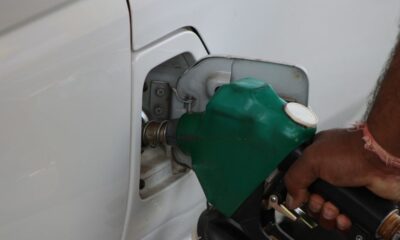
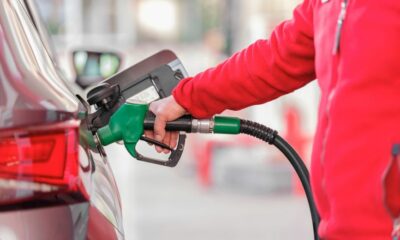
The comments come against a backdrop of fresh increases that took effect on October 7. Inland prices for petrol rose substantially: 95-octane petrol increased by R3.33 a litre to R30.25, while 93-octane petrol rose by R3.12 to R29.88. The source reports that diesel prices also rose sharply in the same adjustment.
Those increases followed the phasing out of temporary fuel-levy relief that had been in place earlier in the year. Between April and June the government reduced the general fuel levy by up to R3 a litre on petrol and by up to R3.93 a litre on diesel at its peak.
Parliamentary debate and pressure on government
Parliament has advanced a proposed R10 billion fuel-relief allocation for debate in the National Assembly. The proposal, however, does not guarantee an immediate reduction in petrol and diesel prices, and key oversight bodies have asked for clarity on intended use and impact.
Labour federation COSATU, through its general secretary, has urged the government to release the proposed allocation, saying rising fuel costs are putting pressure on workers and the economy. Meanwhile, Parliament’s appropriations committees have called for clear measures to ensure any relief reaches intended beneficiaries and delivers measurable results. Questions raised include how the money would be used, who would benefit and how long any intervention would last.
Trade-offs and what they mean
Ramaphosa’s warning highlights a central tension in fiscal response: supporting consumers through subsidies or levies reductions typically requires reallocating public funds. When government money is committed to one area it is not available for others, which can mean delays or cuts to planned or existing programmes.
That trade-off is why leaders and budget officials often weigh short-term relief measures against longer-term priorities. Generic implications of such decisions can include pressure on service delivery, altered timelines for capital projects, or the need to find savings elsewhere in the budget. These are general considerations and not new facts about this specific situation.
What to expect next
With fuel prices rising again, Ramaphosa said the government was considering what further action could be taken.
“Now that it’s gone up again, everyone in the world is giving consideration on what they should do, so are we,”
Pressure on government to respond is mounting as officials prepare for a fiscal update. Finance Minister Enoch Godongwana is due to present the Medium-Term Budget Policy Statement tomorrow (Wednesday), and stakeholders will be watching for signals on whether additional relief will be tabled or how the proposed R10 billion allocation will be handled in the coming weeks.
Why this matters locally
Fuel costs ripple through the economy. Higher petrol and diesel prices can raise household transport costs and increase the price of goods and services. That is why public debate around targeted relief, broad subsidies or fuel-levy adjustments is politically sensitive and closely tied to wider questions about fiscal priorities and social support.
For now, the government faces competing demands: to ease immediate cost-of-living pressures and to protect spending for other programmes. Ramaphosa’s comments make clear the administration recognises both the urgency of fuel-price pain for citizens and the budgetary constraints that make any additional relief a question of trade-offs.
Follow Joburg ETC on Facebook, Twitter, TikTok and Instagram
For more News in Johannesburg, visit joburgetc.com
Source: iol.co.za