News
Cable Theft Costs Joburg R236 Million, Fuels 20% of City Power Outages
Johannesburg’s City Power spent R236m tackling cable theft and vandalism in 2025/26, with 20% of outages linked to crime. Steps taken to protect infrastructure.
Significant Financial Impact of Cable Theft and Vandalism
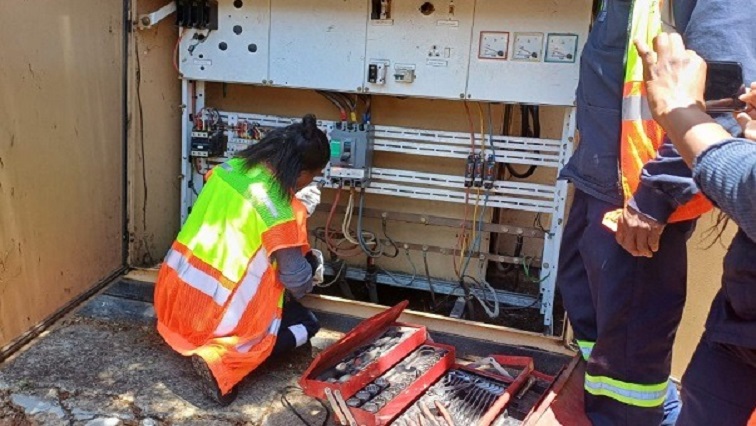
City Power has reported spending R236 million in the 2025/26 financial year to replace electricity infrastructure damaged by cable theft and vandalism across Johannesburg. This staggering cost reflects the scale at which criminal activity is undermining the city’s power network and resources.
According to City Power, about 20% of power outages on its network can be directly linked to cable theft and vandalism. This disruption puts further strain on electricity supply and significantly impacts residents’ daily lives.
Community Engagement: Voices and Concerns
The latest data was shared during City Power’s ninth Regional Electricity Imbizo in South Hills, an event attended by residents from several wards and nearby communities. The meeting provided a forum for locals to raise concerns about constant electricity interruptions, a problem that remains prevalent throughout Johannesburg.
Persistent outages have become a source of frustration for many residents, as the city grapples not only with criminal sabotage but also the growing challenges of ageing infrastructure.
Ageing Infrastructure Adds to Supply Challenges
Speaking at the gathering, City Power acting chief executive Charles Tlouane acknowledged the dual challenges facing the entity: physical deterioration of infrastructure and criminal interference. Of particular note are substations such as Wemmer and Moffat, which have been in operation for multiple decades. In fact, the Wemmer Substation is over 70 years old.
Tlouane described a shift towards strategic maintenance, emphasizing the gradual replacement of obsolete equipment and targeted upgrades, rather than quick fixes that return outdated assets to service.
“Wherever possible, we are replacing key components and progressively phasing out obsolete equipment as part of our maintenance interventions. This is essential to improving the reliability and performance of our network,”
he said.
Escalating Threats: Tackling Crime Against Infrastructure
Tlouane highlighted cable theft and vandalism as ongoing threats to Johannesburg’s power network. To address these, City Power is coordinating efforts with the South African Police Service (SAPS) and other law enforcement agencies.
Efforts include recent appeals to the South African National Defence Force (SANDF) for assistance, especially in securing Johannesburg’s inner-city tunnels, which contain around 14 kilometres of vital electricity cables. However, Tlouane emphasized that the challenge stretches far beyond just the city centre, with over 22,000 load centres requiring protection across City Power’s vast network.
So far, more than 3,000 load centres have been secured, though the utility admits its security resources can’t cover every installation. Compounding the challenge, City Power is responsible for almost 400,000 streetlightsmany of which are targeted for theft or damaged by vandals. In the 2024/25 financial year alone, theft and vandalism affecting public lighting cost the entity R161.8 million.
Protecting an estimated 50,000 kilometres of low-voltage cablesespecially when copper remains a lucrative target for criminal syndicatesis a daunting task.
“Cable theft and vandalism are not only criminal acts; they directly undermine our ability to provide reliable electricity to communities. It is simply not possible for City Power to physically guard every asset,”
said Tlouane.
He further urged residents, Community Policing Forums, and law enforcement bodies to work together with City Power to help secure the city’s essential infrastructure.
Progress on Billing Issues
Aside from crime and infrastructure wear-and-tear, customer billing and metering challenges have been persistent trouble spots. Tlouane reported progress in this area, noting that after City Power took over direct billing in July 2025, the number of outstanding billing queries has dropped from about 8,000 to fewer than 2,000.
This improvement is part of the entity’s broader commitment to restoring public confidence in the billing system and ensuring that electricity charges reflect actual consumption.
Addressing Illegal Connections and Payment Compliance
Illegal connections and unaccounted-for electricity usage put further pressure on Johannesburg’s distribution network and financial position. Tlouane said there will be a renewed focus on rooting out unlawful connections, particularly in so-called “hijacked” buildings, as part of City Power’s ongoing normalisation programme.
Communities participating in the programme are required to meet at least 80% vending compliancemeaning the majority of local consumers must pay for their electricitybefore City Power will energise restored infrastructure in those areas. The goal is to improve both safety and financial sustainability, while also reducing load on already stressed systems.
The Path Forward: Working Together
While the financial and operational challenges are substantial, there is recognition from City Power that lasting solutions require cooperation among residents, law enforcement, and the utility itself. Only a collective approach can hope to protect Johannesburg’s critical infrastructure and ensure a more reliable supply of electricity for all communities.
Follow Joburg ETC on Facebook, Twitter, TikTok and Instagram
For more News in Johannesburg, visit joburgetc.com
Source: iol.co.za