News
Police Secure Interim Ban Against March and March Movement Amid Durban Unrest
Authorities impose an interim interdict on the March and March Movement following violent protests in Durban and a reported plot to target a Home Affairs centre.
Legal Response to Escalating Violence
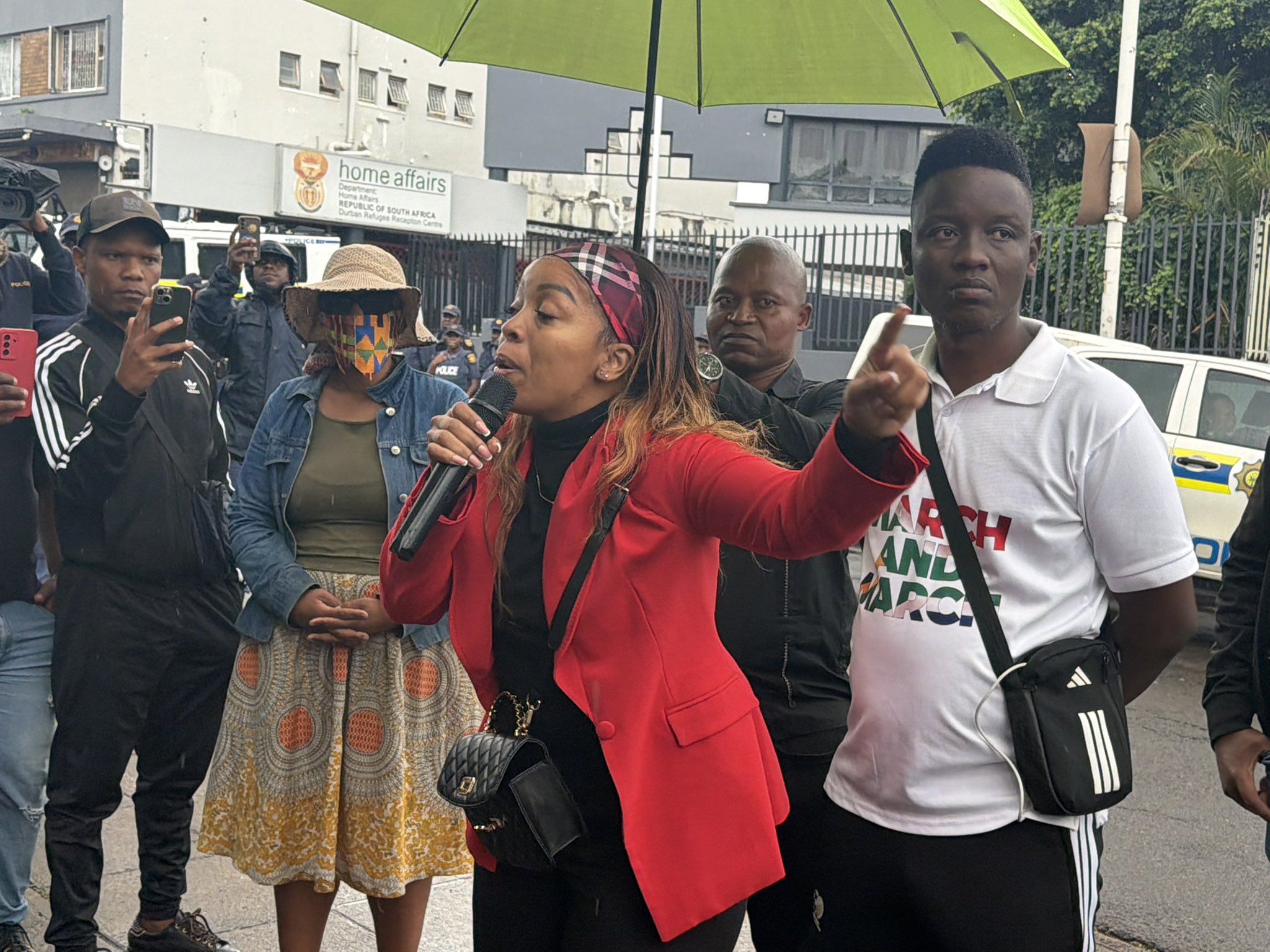
The interim interdict, granted on Wednesday, October 28, targets March and March and several of its leaders. It comes after Durban protests erupted in violence, including the killing of a foreign national, widespread arson, looting and threats to businesses. The Durban High Court is set to determine on Friday, October 30, whether these restrictions will be made permanent.
The legal intervention is intended to halt further unrest and protect both residents and public infrastructure after days of turmoil in the city. March and March has been at the centre of anti-immigration protests, with demonstrations drawing large groups and raising public safety concerns.
Police Intelligence Reveals Alleged Plot
According to court filings, police intelligence indicated an alleged plan to set fire to the Home Affairs Refugee Reception Centre in Berea, Durban. Brigadier Thamsanqa Gama, in a supporting affidavit, cited an immediate threat to life, safety, and public order, sparking urgent action by law enforcement.
Concerns over possible retaliatory attacks heightened after the violent death of a foreign national, and authorities have linked ongoing unrest to further risks from both protesters and counter-groups.
The Scope of the Court Order
The court application, brought under urgent provisions, names March and March as the primary respondent alongside its leader Jacinta Ngobese-Zuma and five others. The order seeks to prohibit these parties from convening, organising, or participating in any protest activity within eThekwini, especially areas near the Durban CBD, Che Guevara Road, and the Home Affairs centre.
- Prohibitions against violence, threats, assault, intimidation, harassment, arson, looting, and damage to property
- Specific protection for the Home Affairs Refugee Reception Centre and other public infrastructure
- Restrictions against forcing business closures or impeding public access to buildings
The applicants called for a rule nisi requiring respondents to justify why these restrictions should not be extended beyond Friday’s hearing.
Background: Weeks of Disruption in Durban
Durban has faced repeated protests led by March and March, focused on calls for stricter immigration law enforcement. Demonstrators have gathered near the Home Affairs Refugee Reception Centre, disrupting services for asylum seekers and refugees.
Violence escalated earlier in October as vehicles were set alight and businesses damaged, creating widespread disruption in the CBD. On October 6, protesters blocked access to the reception centre, affecting vulnerable groups seeking documentation.
IOL reported that 14 vehicles were set alight and a dozen shops damaged as unrest spread. Police have launched a murder investigation after a Ugandan man was assaulted and stabbed during these incidents.
Three March and March members were arrested on charges related to public violence and incitement, highlighting escalating confrontations between protesters and law enforcement.
The Impact on the Home Affairs Centre and Broader Community
The Home Affairs Refugee Reception Centre, intended to serve those seeking asylum or documentation, has become a flashpoint for tension. Police say the protests and threats have imposed a heavy toll, causing business interruptions and fear among residents, employees, and traders.
The legal application also describes a climate of intimidation where the threat or use of violence has disrupted economic activity and endangered public safety across significant parts of Durban.
The Movement’s Response and Continued Dispute
March and March’s leader, Jacinta Ngobese-Zuma, has rejected the court action, accusing the government of trying to suppress constitutionally protected protest rights. In a recent social media post, she called for supporters to stand against what she described as abuse of state power.
“Support us against the minister of police and the president that are abusing power and using the courts to strip us of our democratic right to protest in a democratic country,” she stated.
National spokesperson Sandile Dube echoed these concerns, portraying the court order as an attempt to silence grievances just days before the upcoming local government elections. The movement has said it will participate in the court proceedings on Friday.
Recent demonstrations included marches from the reception centre to the Berea police station, with protesters presenting a memorandum on policing, corruption, employment, and local business concerns. Calls for better economic opportunities and stronger law enforcement figured prominently in their demands.
Constitutional Rights and Public Order
The case has sparked debate about the limits of protest rights under South Africa’s constitution. Section 17 guarantees the right to peaceful assembly but does not extend protection to violence, arson, or intimidation.
As the Durban High Court prepares to review the evidence from both police and protest leaders, the outcome is expected to clarify the boundaries of lawful protest and the state’s responsibility to maintain public order in times of major unrest.
The matter returns to court on Friday, October 30, with Durban residents and businesses looking for resolution after weeks of uncertainty and disruption.
Follow Joburg ETC on Facebook, Twitter, TikTok and Instagram
For more News in Johannesburg, visit joburgetc.com
Source: iol.co.za