Business
Gautrain concession ends as new era begins for Gauteng’s rail system
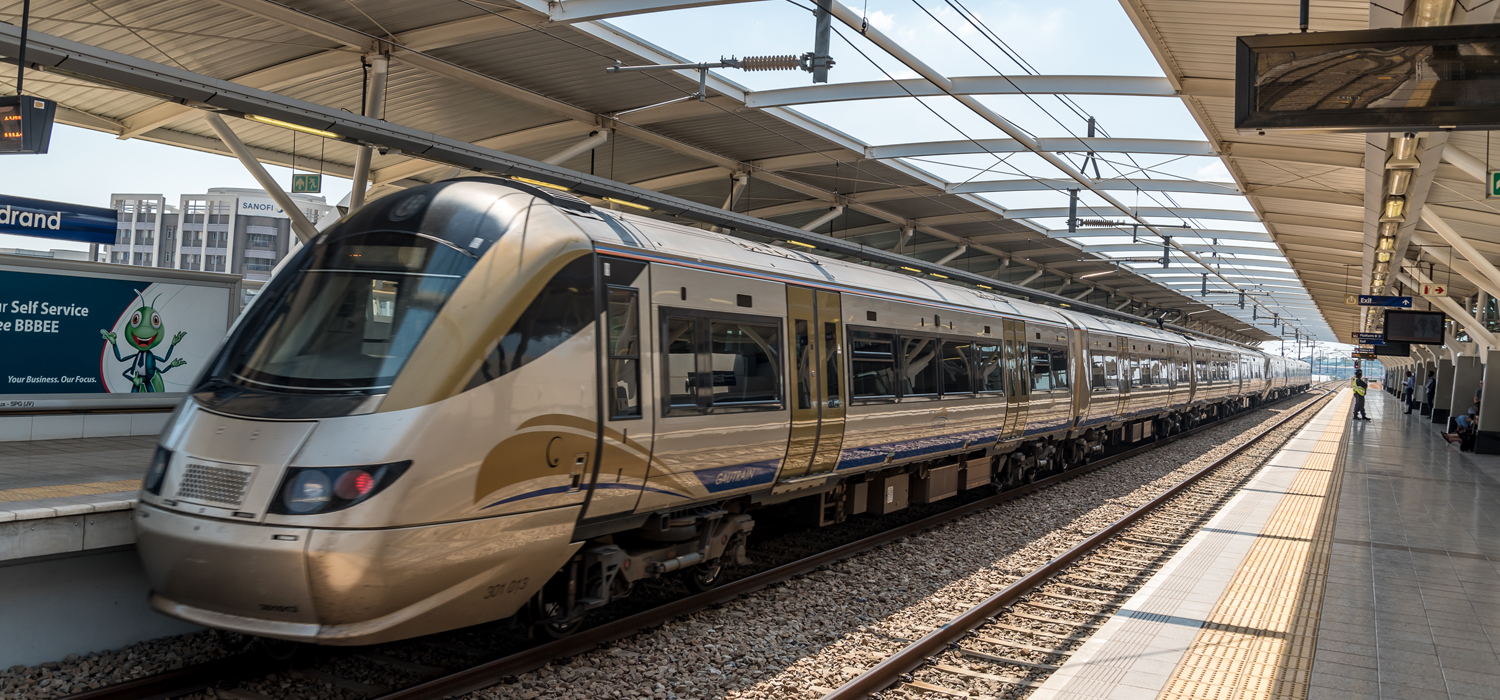
For many Joburg commuters, the Gautrain has become more than just a train. It is the one part of daily life that actually runs on time. That quiet reliability is exactly why this week’s announcement feels bigger than it first sounds.
On 28 March 2026, the Gautrain officially closes the chapter on its nearly two-decade-long agreement with its original private partner. It is a milestone that signals change but also raises a few nervous questions about what comes next.
The end of a 20-year chapter
The original concession agreement with the Bombela Concession Company has now reached its natural end after 19 and a half years. This marks the close of one of South Africa’s most successful public-private partnerships, a model often praised for delivering results where others have struggled.
From its launch in 2010, the Gautrain did more than just move people between Sandton, Pretoria, and OR Tambo. It reshaped how Gauteng grows. Entire business districts formed around its stations, and commuters began trusting public transport in a way that felt almost unfamiliar.
The Gautrain Management Agency says the system has contributed around R46 billion to the provincial economy. That is not just a number. It translates into jobs, development, and the kind of urban growth planners have been trying to unlock for years.
What happens next
For now, nothing changes for passengers. Trains will continue running as usual, and services remain uninterrupted.
Behind the scenes, though, a transition is underway.
A preferred bidder has already been identified to take over the next 15-year contract. Over the next six months, negotiations will continue before a final agreement is signed. During this period, the Bombela Operating Company will continue running the system under a temporary arrangement.
If all goes according to plan, the next phase will focus on three key upgrades:
- Improving the passenger experience with modern technology and better amenities
- Turning stations into fully integrated lifestyle hubs with retail, business and social spaces
- Introducing more flexible pricing to make the service more accessible
It is a vision that suggests the Gautrain is not just staying relevant but evolving into something bigger.
Why this moment matters more than it seems
There is a reason this transition is being watched closely.
Transport experts have pointed out that, while a preferred bidder exists, there is still no signed agreement in place. That gap, even if temporary, introduces risk.
The Gautrain’s success has largely been driven by strict contractual accountability. It is what kept trains running on time and standards consistently high. Without that structure, even briefly, there is concern that progress could stall.
Some analysts have warned that rushing into a new deal without the same level of discipline could undo years of success. Others point to struggling state-run entities as a reminder of how quickly systems can deteriorate without the right oversight.
The public mood: cautious optimism
On social media, the reaction has been a mix of pride and quiet anxiety.
Many commuters are reflecting on how the Gautrain became one of the few services they could rely on, especially in a city where unpredictability is often the norm. At the same time, there is a clear hope that whatever comes next does not compromise that consistency.
It is not just about trains. It is about trust.
A system that changed how Joburg moves
Nearly two decades on, the Gautrain stands as proof that large-scale infrastructure in South Africa can work when the right systems are in place.
It created jobs, reshaped property markets, and gave Gauteng a transport backbone that still feels world-class. But that legacy now enters a delicate phase.
The next six months will quietly determine whether the Gautrain builds on that success or risks losing momentum.
For now, the trains keep moving. And for most Joburgers, that is exactly how they would like it to stay.
Follow Joburg ETC on Facebook, Twitter, TikT
For more News in Johannesburg, visit joburgetc.com
Source: Daily Investor
Featured Image: Business Media MAGS