Taps running dry: Two-week water disruption hits parts of Johannesburg
If you live in parts of Johannesburg, now might be the time to start filling up those backup containers.
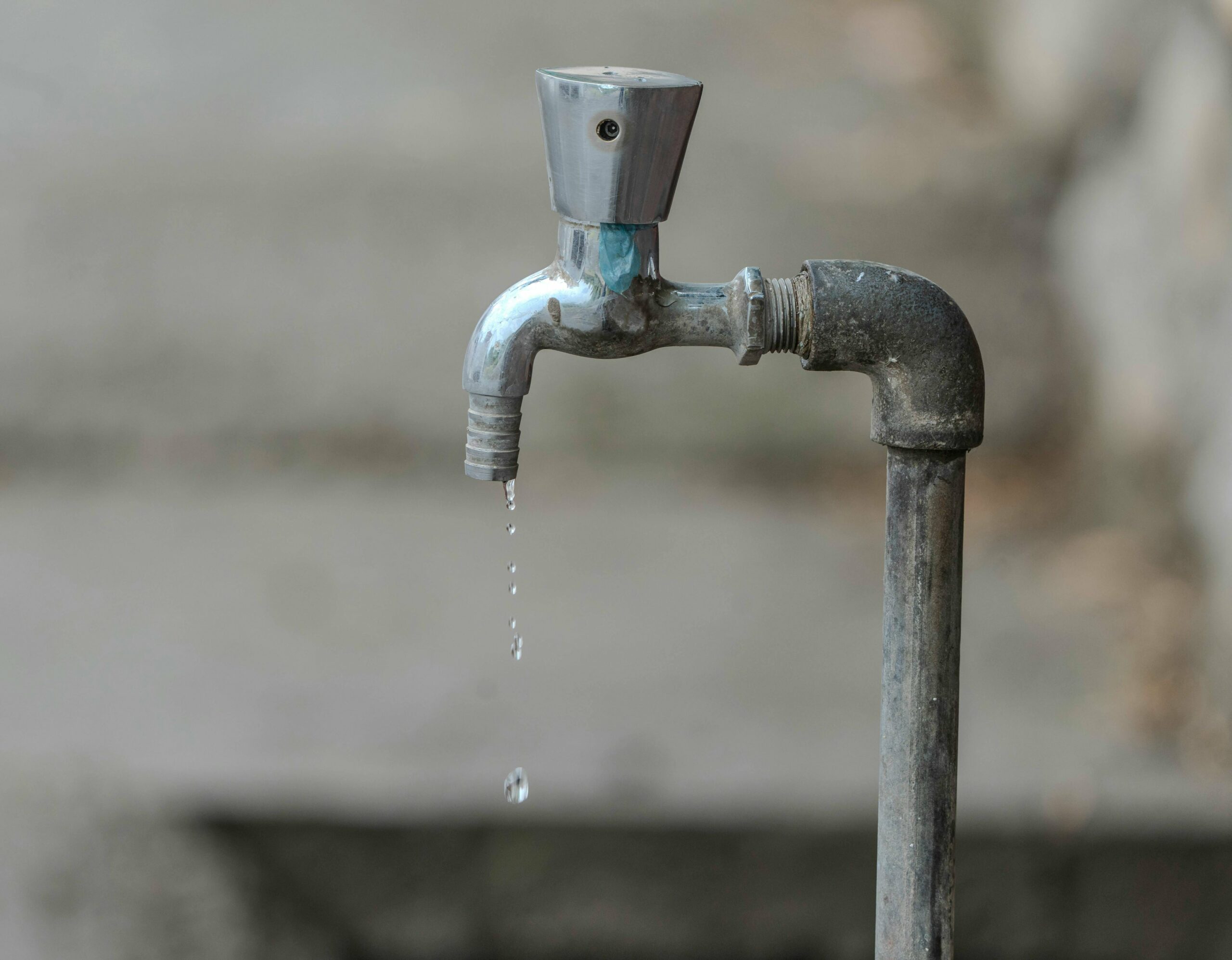
Another round of planned water interruptions is on the way and this one isn’t a quick overnight fix. Residents in several suburbs are bracing for days, even weeks, of reduced pressure and, in some cases, completely dry taps.
Northern suburbs face the longest stretch
According to Johannesburg Water, the most significant impact will be felt in Region B, where a large cluster of suburbs will experience prolonged disruptions.
Areas affected include:
Cresta, Robindale, Darrenwood, Windsor West, Randpark extensions, and surrounding neighbourhoods.
From Tuesday, 24 March at 8am until 6 April at 6pm, residents can expect anything from weak water pressure to no supply at all.
The reason? A technical assessment of reservoir conditions essential work, officials say, to improve long-term reliability.
But for many households, that’s little comfort in the short term.
No tankers, but “assistance” promised
In a move that’s already raised eyebrows online, Johannesburg Water confirmed that no formal alternative water supply like water tankers has been arranged.
Instead, residents will be “assisted by the operations department as and when necessary.”
On social media, reactions have been swift. Some residents have expressed frustration, questioning how entire suburbs can go days without guaranteed backup supply. Others are already sharing tips on storing water, from repurposed bottles to JoJo tanks.
It’s a familiar cycle for Joburg: planned maintenance meets public anxiety.
Kensington residents face a different disruption
While Region B deals with water pressure issues, residents in Kensington are navigating a separate challenge one that’s happening underground.
In Region F, a major sewer upgrade project is already underway, affecting streets like Queens Street, Langerman Drive, and Derby Road.
The work, which started on 19 March and is expected to continue until 15 May, involves replacing ageing pipes with a larger, more modern system.
What to expect on the ground
For those living in Kensington, the impact will be hard to miss.
Expect:
- Road closures and limited access in certain areas
- Ongoing construction noise
- Heavy machinery on site
- Occasional unpleasant odours
To manage potential overflow issues, teams will deploy specialised trucks to handle any sewer spillages during construction.
It’s disruptive no question but officials say it’s necessary to prevent bigger problems down the line.
The long-term payoff
Both projects share the same goal: improving infrastructure that many residents only think about when it fails.
Johannesburg’s water and sanitation systems have been under pressure for years, with ageing infrastructure, population growth, and maintenance backlogs all playing a role.
Upgrades like these are meant to:
- Reduce water losses
- Improve supply consistency
- Prevent sewer blockages and overflows
In theory, it’s a step forward. In practice, it often means short-term inconvenience.
A city used to adapting
If there’s one thing Joburg residents know how to do, it’s adapt.
From load shedding schedules to water outages, households have become experts in contingency planning. Buckets, storage tanks, and backup plans are now part of everyday life.
Still, each new disruption brings the same question: how much more can residents be expected to adjust?
For now, the message is simple prepare.
Whether it’s storing water ahead of time or planning around road closures, the next few weeks will require patience and a bit of creativity.
Because while the upgrades promise a better system in the future, right now, for many Joburg residents, it’s about getting through the day with whatever comes out of the tap or doesn’t.