Artificial Intelligence
SIM swap fraud in South Africa: How biometrics could stop billions in losses
If you have ever suddenly lost signal and brushed it off as a network glitch, there is a chance it could have been something far more serious. In South Africa, SIM swap fraud has quietly become one of the most damaging digital crimes, often unfolding in minutes and leaving victims locked out of their own bank accounts.
Now, a growing push from cybersecurity experts suggests a surprisingly simple solution. Your next SIM registration might require a selfie.
The loophole costing billions
SIM swap fraud works on impersonation. Criminals gather enough of your personal information to convince a mobile network to move your number onto their SIM card. From that moment, they receive your calls, messages, and most critically, your one-time passwords.
With timing and precision, they can access banking apps and drain accounts before victims even realise what has happened.
The financial impact is staggering. South Africa loses around R5.3 billion every year to telecommunications fraud, with a large portion tied directly to SIM swap-related banking crimes. It is not just a tech issue anymore. It is a national financial risk.
A selfie as your first line of defence
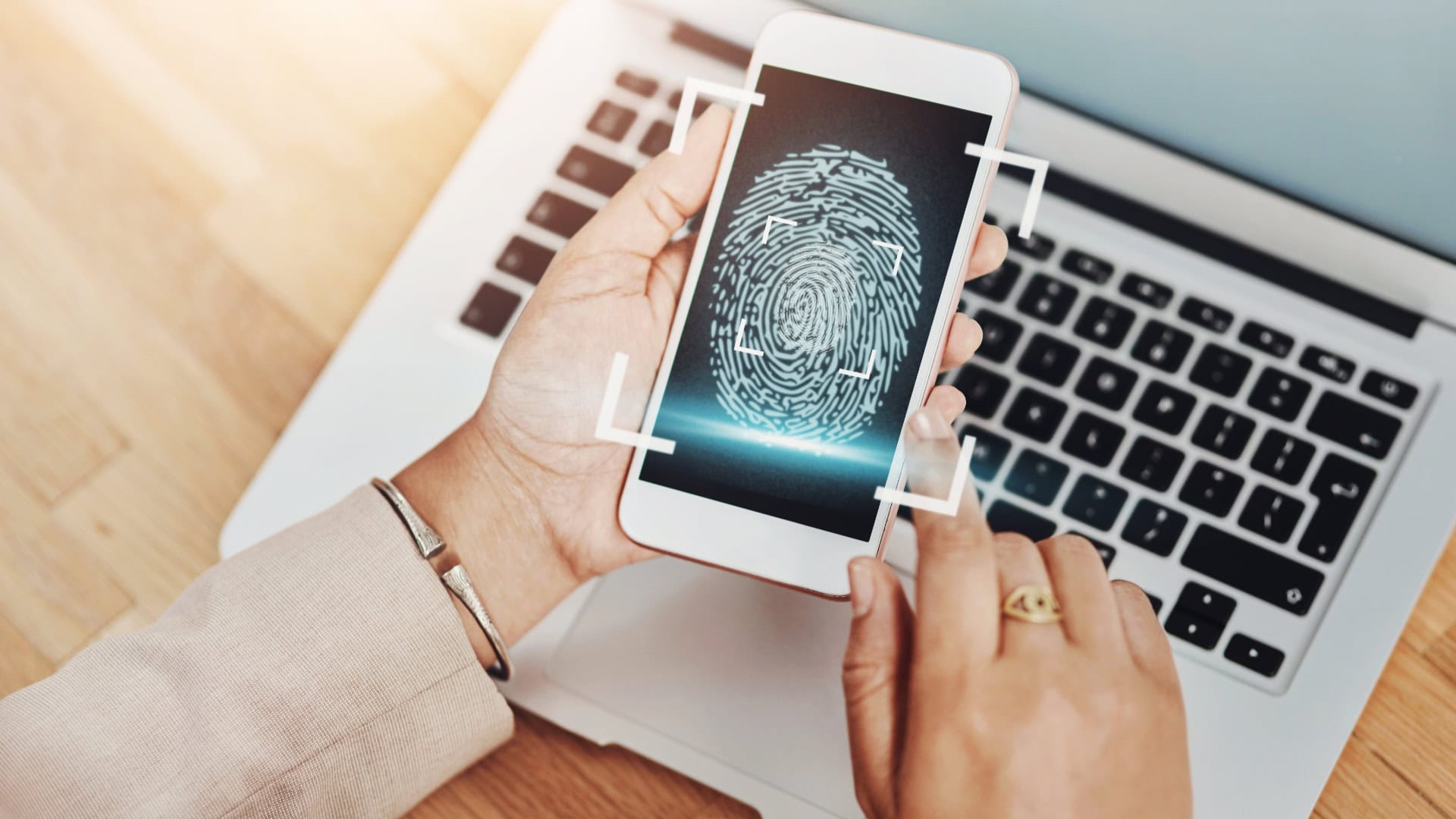
The proposed fix centres around biometric verification during SIM registration. In simple terms, you would take a live selfie when activating your SIM, which is then matched against your official ID records.
This creates a verified digital identity linked to your number from day one.
Later, if someone tries to request a SIM swap, they would need to pass the same biometric check using a real-time photo. If it is not you, the system blocks the attempt.
It is a shift from trusting paperwork to verifying the actual person.
Why this could work in South Africa
What makes this idea practical is that the technology already exists locally. Most smartphones have front cameras, and internet access is widely available. The system can integrate with Home Affairs records, making identity matching possible without introducing entirely new infrastructure.
There is also an added layer known as a liveness check. This ensures that the system is dealing with a real person in real time, not a photo, video, or deepfake attempt.
This matters more than ever. South Africa is now seeing a sharp rise in deepfake-driven fraud, with impersonation and spoofing making up the majority of flagged verification attempts.
Banks are already ahead of the curve
If this all sounds familiar, it is because banks have already moved in this direction. Major institutions across the country use biometrics to verify customers, often combining facial recognition with behaviour tracking, device data, and location signals.
Some systems go even further, building detailed digital identity profiles to spot suspicious activity instantly.
Despite this, fraudsters are becoming more sophisticated. AI-generated voices, cloned emails, and realistic deepfake content are making scams harder to detect. It is no longer just about tricking people. It is about tricking systems, too.
The real problem with SIM cards
At the heart of the issue is how easily SIM cards can still be registered. Millions are activated every year, and a significant number are not properly linked to verified identities.
In some cases, individuals can register hundreds or even thousands of SIMs due to weak controls. That creates a massive pool of numbers that can be exploited by criminal networks.
A tighter system, including biometric checks and limits on how many SIM cards one person can own, could close this gap.
What the public is saying
Online, the conversation is split. Many South Africans are welcoming stronger security, especially those who have experienced fraud first-hand. Others are raising concerns about privacy, data protection, and how biometric information will be stored and used.
It reflects a familiar tension. Convenience versus security. But as scams become more advanced, the balance is starting to shift.
A global trend taking shape
South Africa would not be the first to go this route. Countries such as India, Nigeria, and the United Arab Emirates have already implemented biometric SIM registration with varying levels of success.
The difference now is urgency. With mobile phones acting as the gateway to banking, messaging, and everyday life, protecting SIM ownership has become critical.
The bigger picture
A SIM card used to be just a communication tool. Today, it is your digital identity key. It connects you to your finances, your personal data, and your online world.
Requiring a selfie might feel like a small inconvenience. But in a country losing billions to fraud each year, it could be one of the most practical ways to protect millions of people.
Follow Joburg ETC on Facebook, Twitter, TikT
For more News in Johannesburg, visit joburgetc.com
Source: MyBroadband
Featured Image: The Banking Association South Africa