Business
Why product recalls are rising across South Africa right now
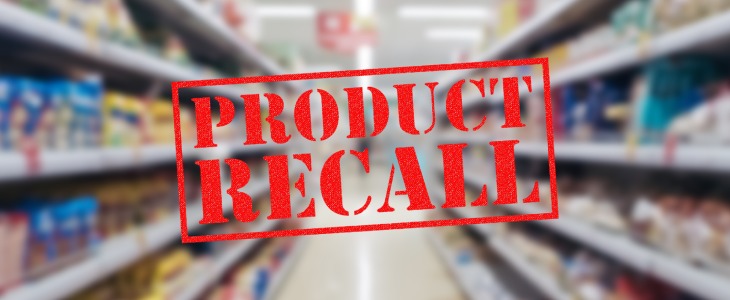
If it feels like product recalls are suddenly everywhere, you are not imagining it. From cars to pantry staples, more items are being pulled off shelves across South Africa, raising eyebrows and plenty of questions.
But behind the headlines and social media panic, the story is less about things going wrong and more about a system doing exactly what it was designed to do.
It’s not about punishment; it’s about prevention
According to the National Consumer Commission, recalls are not a sign of failure. They are a sign that safety checks are working.
At the centre of it all is the Consumer Protection Act, which gives regulators the power to step in when a product poses a potential risk. That risk does not have to result in actual harm before action is taken.
In simple terms, recalls are often preventative. A product is removed not because something terrible has already happened, but because it could.
That nuance is often lost in public conversations, where recalls can feel like scandals rather than safeguards.
When delays cost companies millions
Where things do get serious is when companies fail to act quickly or transparently.
One of the most well-known examples remains the Ford Kuga fire crisis. Investigations found that Ford Motor Company of Southern Africa had delayed full disclosure about the issue. The result was a hefty fine of R35 million, along with compensation payouts to affected consumers.
That case set the tone. Regulators are not trying to punish honest mistakes, but they will act decisively when companies withhold information or delay reporting defects.
More recently, the recall of ButtaNutt peanut butter due to aflatoxin risk showed how costly things can become. The supplier faced a R500 000 fine and lost major retail contracts, effectively wiping out its market presence.
The real challenge: reaching you
One of the biggest issues is not identifying dangerous products but actually getting the message to consumers.
The NCC relies on media statements, websites, and social platforms, but many South Africans are still unaware of these channels. In practice, retailers and suppliers are expected to take the lead.
That is why you will often see recall notices posted where products used to sit in-store. For online purchases, companies are expected to communicate directly through the same platforms used to sell the item.
There have even been attempts to involve traffic authorities in vehicle recalls, although that has led to confusion, with some motorists mistaking recall notices for fines.
Why older products slip through the cracks
Another complication is tracking products that have already left the store.
Older items, especially vehicles, are notoriously difficult to trace. The global Takata airbag recall highlighted this issue, with many cars changing ownership multiple times, making it hard to notify current drivers.
Newer recalls are easier to manage. With recent vehicle recalls involving brands like Ford, Lexus, and Toyota, manufacturers have been able to contact owners directly using up-to-date databases.
Social media panic vs reality
Online reactions to recalls often swing between outrage and anxiety. Posts warning people to throw away products immediately can go viral within hours.
But the reality is usually more measured. A recall does not always mean immediate danger. It signals a possible risk and gives consumers the chance to act before harm occurs.
That distinction matters. It shifts the narrative from fear to awareness.
What this means for everyday South Africans
In a country where trust in institutions can be shaky, the rise in recalls might feel unsettling. Yet it also points to a system that is becoming more transparent and responsive.
Manufacturers are being held accountable. Regulators are stepping in earlier. And consumers, whether they realise it or not, are better protected than before.
The real takeaway is simple. Recalls are not a sign that everything is falling apart. They are a sign that someone is paying attention.
Follow Joburg ETC on Facebook, Twitter, TikT
For more News in Johannesburg, visit joburgetc.com
Source: The Citizen
Featured Image: Simeone & Miller, LLP