education
Unisa council fires audit committee chair over alleged confidentiality breach
Unisa’s council has terminated audit committee chair Gratitude Ramphaka after a report found alleged breaches of confidentiality and governance concerns, the university says.
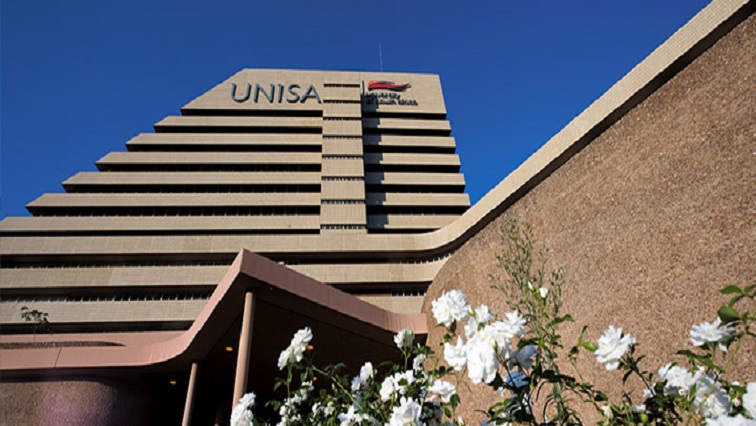
Council ends appointment of audit committee chair after conduct probe
The University of South Africa (Unisa) council has terminated the appointment of Gratitude Ramphaka, the chair of the university’s audit committee, following a finding by its code of conduct committee. The action was communicated in a letter dated 15 October and took effect immediately, the university said.
Allegations cited in council letter
The council’s letter, issued on 15 October, set out a range of concerns that led to the decision. It referred to alleged sharing of confidential council information with external parties, including the media, and questioned Ramphaka’s discharge of council duties and compliance with the code of conduct.
The letter also said Ramphaka had sought intervention from Higher Education and Training Minister Buti Manamela over what she viewed as unresolved irregularities, delayed consideration of a forensic investigation and complaints against senior university officials. The council said those circumstances had materially affected its confidence in the continued working relationship with Ramphaka.
“The decision is directed at addressing the governance concerns identified by council and protecting the effective functioning and institutional interests of the university,” the letter said.
Immediate steps ordered by the council
The council instructed Ramphaka to cease performing the functions and responsibilities attached to council membership, subject to applicable legal requirements. She was also ordered to return any university property, confidential documents and access devices in her possession.
The letter was signed by Dan Mosia, chair of the conduct committee, and issued on behalf of the Unisa council.
University response and comment
When approached for comment, Unisa did not provide further details about the specific allegations. The university told reporters:
“Unisa confirms that it has no formal relationship with Ms Gratitude Ramphaka. The university also declines to share any details of its past relationship with Ms Ramphaka to a third party.”
The source reported that Ramphaka had not replied to a request for comment by the time of publication.
Context: wider governance scrutiny at Unisa
Unisa has faced sustained scrutiny over governance practices in recent months. The council’s move to remove a senior committee chair comes amid broader questions about alleged governance failures, questionable expenditure, irregular appointments and the treatment of whistle‑blowers and critics.
According to The Citizen, in May the Public Protector, Kholeka Gcaleka, was probing a complaint by former registrar Prof Steward Mothata, who alleged maladministration, unlawful governance and misuse of public funds.
The controversy has also reached the courts: in August the High Court in Pretoria struck down Unisa’s urgent application seeking to restrict a journalist from reporting on alleged governance problems, finding the matter lacked urgency and ordering the university to pay punitive legal costs. Separately, the Public Protector has found that the reappointment of a security manager after retirement age was irregular and amounted to maladministration.
What the decision means and why it matters
At a practical level, the council said the dismissal was aimed at protecting the university’s ability to function and to carry out its governance responsibilities effectively. Removing a senior governance official signals the council’s view that the issues identified were serious enough to risk institutional operations or public confidence.
Confidentiality of council deliberations is a basic governance expectation in public institutions: when that confidentiality is alleged to have been breached, councils typically act to contain potential reputational harm and to preserve the integrity of internal processes. Actions such as suspending duties, requiring return of devices and documents, and referring matters to conduct committees are common steps institutions use while they address alleged misconduct.
What happens next
The council’s instruction to cease duties and return university property is an immediate administrative response; the letter also followed the report of the university’s code of conduct committee. The council did not set out further procedural steps for appeals or legal recourse in the material provided to the media.
Given the broader inquiries and legal rulings that have already involved Unisa, the university’s governance arrangements and the outcomes of internal processes will be watched closely by stakeholders inside and outside the institution.
Reporting note
This article is based on material provided to the media by Unisa and reporting in The Citizen, including a council letter dated 15 October and related coverage of ongoing governance reviews and legal matters.
Follow Joburg ETC on Facebook, Twitter, TikTok and Instagram
For more News in Johannesburg, visit joburgetc.com
Source: citizen.co.za