Budget Guides
Petrol Prices vs My Salary: A Toxic Relationship South Africans Know Too Well
Petrol Prices vs My Salary: A Toxic Relationship South Africans Know Too Well
If you’ve driven more than 10 km in South Africa lately, you’ve felt it in your wallet.
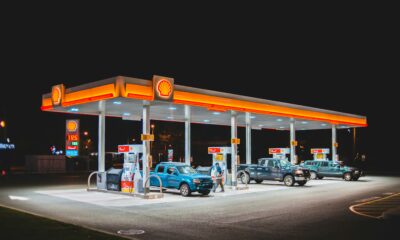
You pull up at the petrol station, hand over a couple hundred rands and still wonder if you just paid rent instead. There’s a familiar sting in that pump joke we all share: “At these prices, petrol should come with a side of groceries.”
And 2026 hasn’t been much kinder.
Petrol prices have been volatile all year, dropping at some points, rising sharply at others, leaving motorists and everyday workers in a constant tug‑of‑war with their budgets.
Reality Check: What’s Happening at the Pumps
In early 2026, South African petrol prices did finally ease a bit compared to late 2025, with both petrol 93 and 95 dropping by around 65 cents per litre in February.
Good news? Maybe but it’s the usual pattern: prices fluctuate month to month depending on global oil markets and the rand’s strength.
And that’s where the tension begins.
Just when things feel affordable, prices can swing back up hard even by several rand per litre pushing drivers back into the same tight squeeze.
For many South Africans, that means constantly recalibrating budgets:
- “Do I fill up now or save and hope prices drop again?”
- “Can I afford to bring the kids to school this week?”
- “How many stops can my wallet handle this month?”
Meanwhile… Salaries Aren’t Keeping Up
Here’s the kicker: while fuel costs dance up and down, wages are far more stable and stuck in place for many workers.
In 2026, average monthly salaries in South Africa vary widely depending on your profession, but many workers live on tight pay packets.
For example:
- Entry‑level and minimum wage jobs often pay the equivalent of around R5,000–R7,000 a month.
- Even petrol attendants the people who literally fill up our tanks often take home roughly R7,850 a month at minimum, with a modest average closer to R10,882 when tips are included.
Now imagine trying to live your life groceries, rent, transport, school fees, internet on that, while also paying R20 or more per litre for petrol.
It turns into a calculation no one signed up for:
Spend on transport and tighten elsewhere… or skip trips and hope jobs don’t demand attendance?
Why This Feels Like a Toxic Relationship
The frustration isn’t just about how expensive petrol is it’s that it feels like salaries and family budgets are powerless in the face of fluctuating pump prices.
There are a few reasons this dynamic feels uniquely unfair:
Fuel Costs Are Volatile, Salaries Aren’t
Prices at the pumps change monthly, sometimes by a few rand while many wages remain the same month after month.
Fuel Is Non‑Negotiable for Most
Whether you’re going to work, taking kids to school, or buying essentials, petrol isn’t optional especially outside major cities with limited public transport.
Everything Else Costs More Because of Fuel
When petrol goes up, supply and transport costs rise too which often pushes up the prices of food and services.
Suddenly, your salary feels stretched in every direction.
And that’s why petrol prices can feel less like a monthly nuisance and more like an ongoing financial tug‑of‑war.
South African Context: This Isn’t Just Economics, It’s Daily Life
In Cape Town, Joburg, Durban or smaller towns across South Africa, people talk about petrol prices in very real terms:
- R50 to fetch kids from school
- R200 for a weekly commute
- Extra charges on delivery apps
Even when petrol drops like it did earlier this year the relief is fleeting if prices are expected to climb again soon.
And public discourse isn’t shy about it on social platforms, motorists joke about “petrol price nightmares” and speculate how far prices could rise if global factors shift again.
This isn’t just talk, it’s a reflection of how economic stress shows up in daily life.
Coping With the Squeeze (Without Breaking the Bank)
So, what can everyday South Africans do when petrol feels like a toxic part of the monthly budget?
Here’s the good news: you don’t have to just accept the squeeze.
Plan Your Trips (Avoid Unnecessary Driving)
Combine errands into one journey instead of several small trips each week.
Carpool or Use Public Transport
Sharing rides reduces how often you fill up.
Maintain Your Vehicle
A well‑serviced car uses less fuel, simple tweaks like correct tyre pressure can make a difference.
Consider Alternatives
For short trips, try cycling or walking when possible, cheap and healthy!
Petrol prices and salaries in South Africa often feel like they’re on two different planets.
Fuel costs bounce with global markets and exchange rates while wages barely budge. That gap doesn’t just pinch budgets it shapes how people live, travel and prioritise daily life.
And until that dynamic changes structurally, many of us will continue to feel that tug‑of‑war every time we pull up at the pump.
Because when petrol eats into your salary, it’s not just petrol you’re paying for, it’s the cost of living in 2026 South Africa.
Follow Joburg ETC on Facebook, Twitter , TikTok and Instagram
For more News in Johannesburg, visit joburgetc.com