Living In Johannesburg
Shower or No Shower? Surviving Water Restrictions Like a Joburger
Shower or No Shower? Surviving Water Restrictions Like a Joburger
In Johannesburg, water restrictions aren’t just a headline, they’re part of daily life for many households. Depending on infrastructure pressures and dam levels, taps can operate on tight schedules or go dry for hours at a time, forcing residents to rethink routines we normally take for granted. (turn0search6)
For many Joburgers, the big dilemma becomes:
“Do I shower or save every drop?”
Let’s walk through how locals survive water restrictions without losing their cool and without sacrificing hygiene or sanity.
1. Short Showers Are the New Normal
When water is scarce, long showers feel like a luxury.
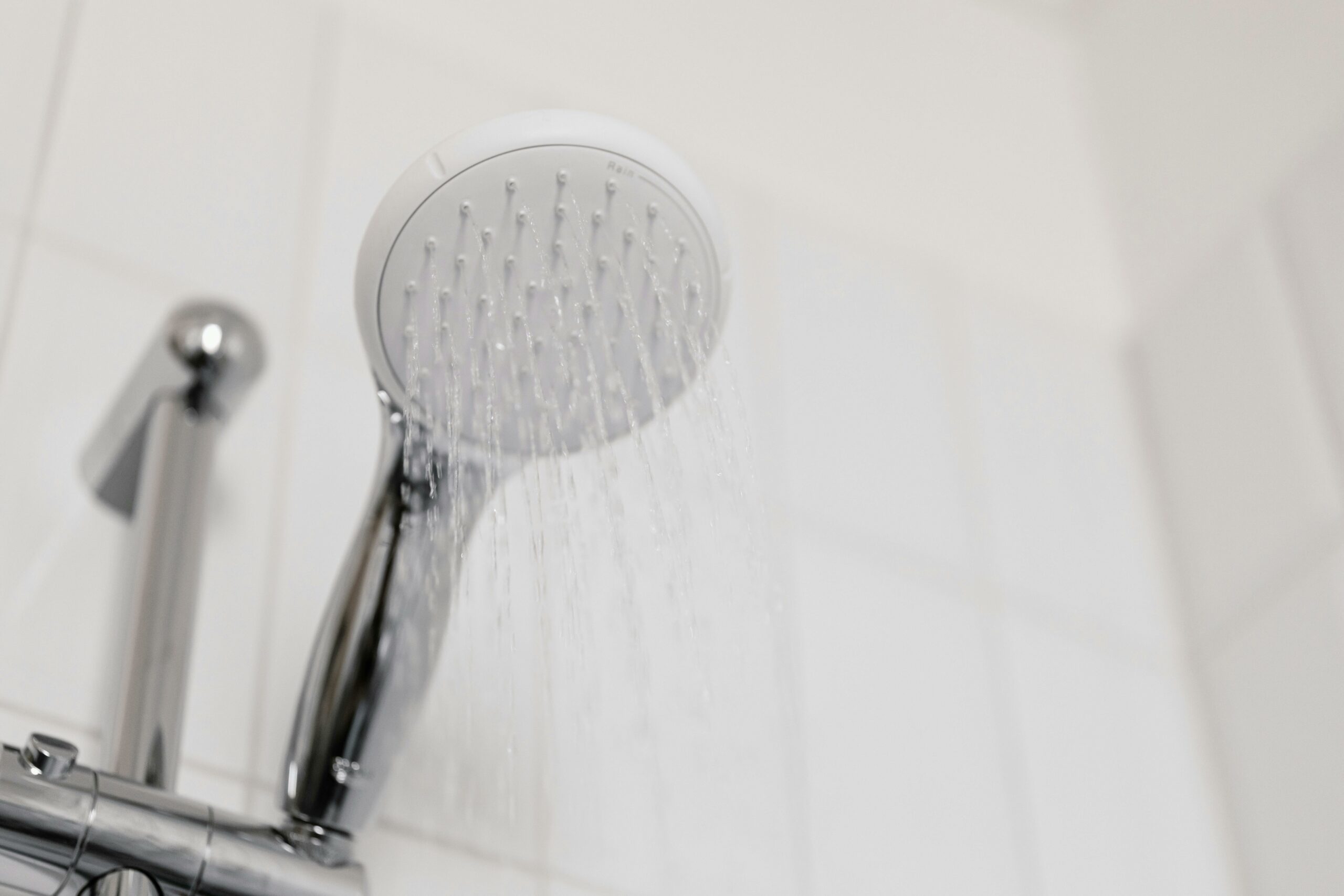
Government water‑saving guidelines suggest short showers (around five minutes) instead of baths, because baths can use up to three times more water than a quick shower. A shower can use around 20 litres per minute, while a bath can use 80–150 litres. (turn0search0)
Locals joke about using the timer on their phone like it’s a gym workout clock every second counts.
2. Turn Off the Tap While Soaping
A simple trick that makes a big difference:
- Wet yourself
- Turn off the tap
- Soap up
- Turn the tap back on to rinse
This stop‑start showering technique can save hundreds of litres per week without leaving you feeling grimy. It’s water restriction survival 101. (turn0search18)
3. Greywater Is Gold
When the restrictions bite hard, Joburgers become creative:
Greywater, water from showers, basins and washing machines, gets a second life. Rather than letting it go down the drain, locals collect it and use it to flush toilets or water gardens (where allowed). (turn0search0)
Two buckets, one mission: keep the clean water where it matters most, and reuse the rest where you can.
4. The “Sponge Bath” Becomes Respectable
No water in the tanks? Bathing doesn’t stop, it just changes form.
Instead of a full shower, a sponge bath with a washbasin or bowl uses minimal water yet keeps you fresh. Cape Town’s official guideline during restrictions even suggests stopping showers altogether and using small containers for body washing during severe shortages. (turn0search18)
It sounds primitive, until you realise it’s effective and environmentally conscious.
5. Turn Off Leaks, They’re Silent Water Thieves
A dripping tap isn’t just an annoyance it’s a significant waste of water.
Even a slow leak can waste thousands of litres annually if left unfixed. Repairing dripping taps, installing water‑efficient showerheads and dual‑flush toilets (or putting a water‑displacement bottle in the cistern) are small fixes that save big. (turn0search6)
Joburgers take pride in spotting leaks quickly, because every drop saved is one more in the tank when restrictions hit.
6. Cut Down on Flushing
Every flush uses precious water.
When restrictions are in place, locals get strategic:
- Flush only when necessary
- Use greywater or harvested water for flushing when possible
- Reduce overall flush volume with simple tricks like weighted bottles in the cistern
This is one of the easiest habits anyone can adopt and it’s surprisingly effective. (turn0search1)
7. Plan Water Use Around Supply Patterns
In many Johannesburg suburbs, water restrictions follow patterns often stricter in peak usage times like mornings and evenings. Some residents report water cut‑offs overnight simply to balance reservoir levels. (turn0reddit33)
Joburgers adjust by:
- Collecting water earlier in the day
- Scheduling showers or washing before restrictions begin
- Communicating with neighbours about when supply is strongest
It’s less about panic and more about prediction.
8. Social Water Sharing Isn’t a Myth
When taps run dry, communities step up.
South Africans often share:
- Extra stored water
- Tips on where municipal water points are active
- Advice on greywater use
Social platforms and neighbourhood groups are packed with updates during restrictions, showing that water challenges often bring people closer. (turn0reddit30)
9. Garden Rules Change, Instantly
A Joburger’s favourite lawn might take a hit during restrictions especially when gardeners continue watering as if nothing’s wrong. That was a real complaint from residents who couldn’t shower for days while neighbours watered lawns mid‑day. (turn0reddit30)
Locals know better:
- Water gardens early morning or late afternoon
- Use buckets and greywater, not hoses
- Avoid unnecessary watering altogether
Respecting restrictions isn’t just civic it’s survival.
10. Keep a Water Survival Kit Ready
Serious Joburgers prepare ahead:
- Buckets and large bottles
- Containers for kitchen/greywater reuse
- Extra jugs for emergency flushing
- Low‑flow showerheads
Being prepared makes restrictions feel manageable, not crippling.
Are you showering during water restrictions?
Maybe, but like most Joburgers, you’ll probably be doing it more strategically than ever before.
Between short showers, sponges, greywater recycling and community coordination, water restrictions become less about sacrifice and more about smart living.
Because in a city that’s adapted to unpredictability, figuring out how to stay clean, without wasting water, is just another survival skill in the Joburger handbook.
Follow Joburg ETC on Facebook, Twitter , TikTok and Instagram
For more News in Johannesburg, visit joburgetc.com