In a significant victory for developers and a stern lesson in administrative fairness, the Supreme Court of Appeal (SCA) has declared the South African National Roads Agency’s (Sanral) decision to unilaterally hike levies on roadside rest and service facilities unlawful and invalid. The court slammed the agency for applying new, drastically increased fees retrospectively without any public consultation.
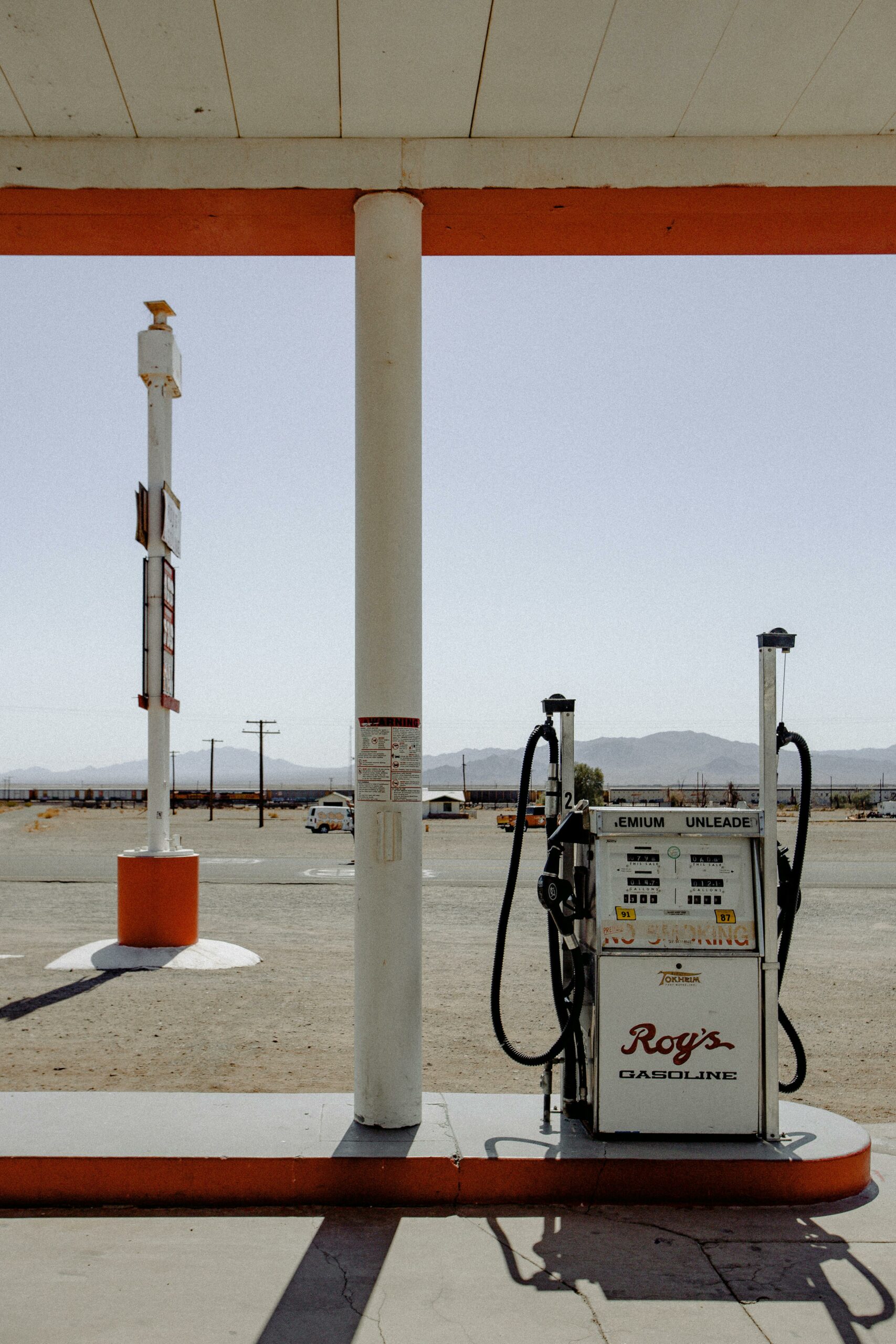
The case centred on a developera Trust represented by Casper and Gertruida Kasselmanthat sought to build a filling station and rest facility on the N12 between Klerksdorp and Wolmaransstad. Negotiations began in 2016 under an old Sanral policy that levied 0.5% on fuel sales and 1% on other turnover.
By late 2020, all conditions were met. Then, in January 2021, Sanral sent a draft agreement with a massive increase: levies jumped to 2.5% on fuel and 6% on other sales. Sanral claimed this reflected a new 2021 board policy. A feasibility study showed the project would be commercially unviable under the new rates.
The Core Failure: No Public Participation
The developer argued, and the SCA emphatically agreed, that Sanral had failed in its duty as a state-owned enterprise performing a public function. Acting Judge Ronel Tolmay, in a unanimous judgment, stated that Sanral’s boards “must act fairly, transparently and in accordance with the principles of public law.”
Critically, the court found Sanral did not follow the required public participation process outlined in the Sanral Act and violated the Promotion of Administrative Justice Act (PAJA). The new policy was circulated internally only after the developer was notified of the hike, with no opportunity for stakeholder input.
“Sanral’s action or conduct was reviewable under PAJA and the decision to adopt the new policy and increase the levy percentages should therefore be reviewed and set aside,” the judgment held.
A Remand, Not a Prescription
While the Trust wanted the court to reinstate the old 2016 rates, the SCA chose to remit the matter back to Sanral for lawful reconsideration, respecting the separation of powers. The agency must now go back to the drawing board and follow a fair, consultative process if it wishes to adjust fees.
The ruling is a powerful check on Sanral’s discretionary power. It affirms that even in commercial-adjacent negotiations, a state entity cannot arbitrarily “move the goalposts” in a way that severely impacts private investment and public interest without due process. For developers and the fuel retail sector, it’s a crucial precedent that the rules of the game cannot be changed mid-play by unilateral decree.