It started with whispers in Fochville last September.
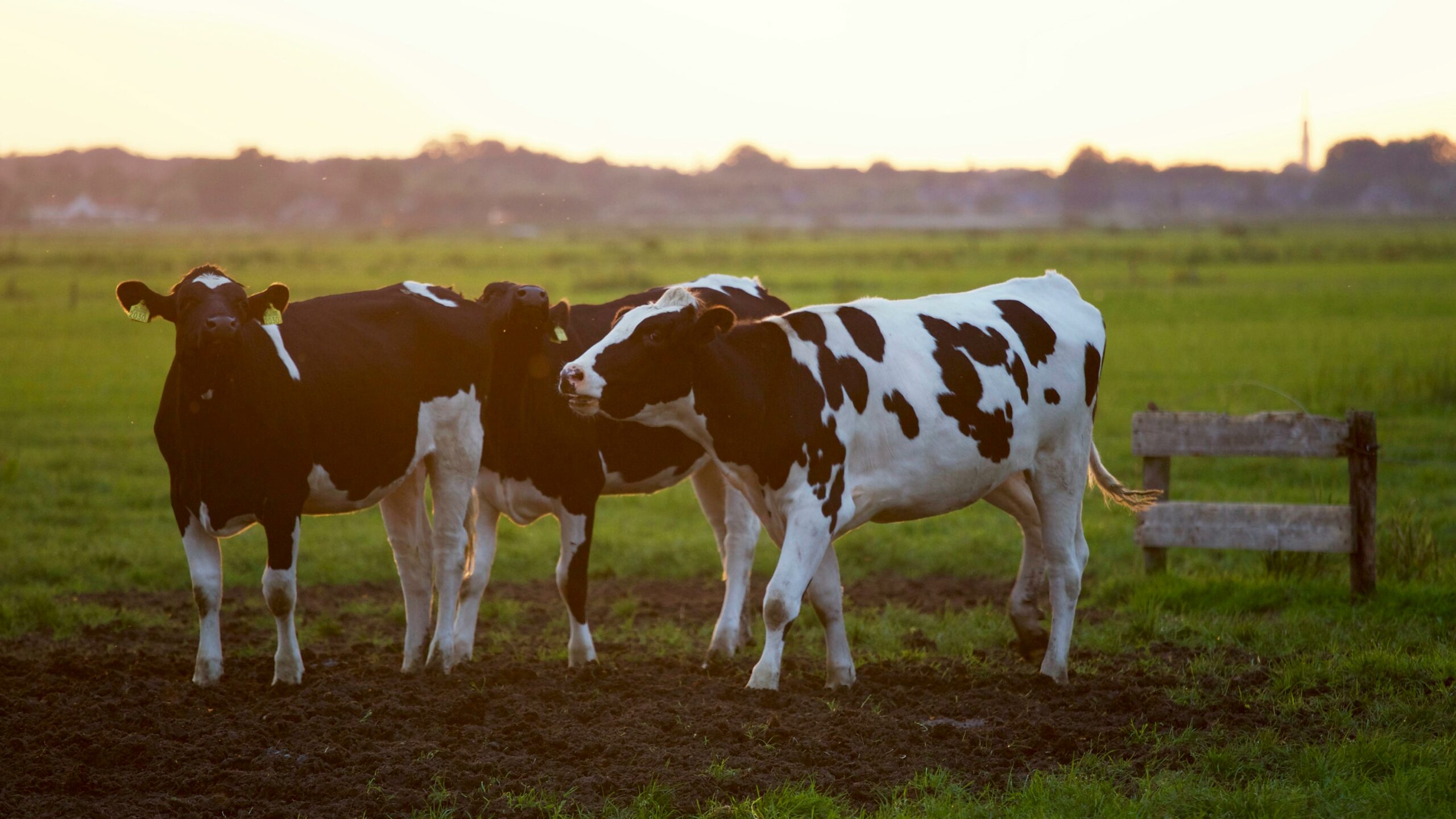
Now, that worry has become a full-blown reality for farmers across Merafong. Foot-and-Mouth Disease (FMD), a highly contagious virus feared by livestock owners worldwide, is no longer contained. What began in the Fochville and Losberg area has now found its way into pastures and farms in Carletonville, Tarlton, and towards the Magalies region.
For a community where farming isn’t just a business but a way of life, this isn’t just an agricultural notice. It’s a slow-burning emergency.
How a Local Outbreak Became a Regional Worry
Dr. Yusra Da Costa, the State Veterinarian based in Randfontein, doesn’t mince words. Her team is swamped. “We have picked up a lot of new cases and are doing a lot of tests,” she confirms. The map of concern is widening almost weekly.
But here’s the frustrating part for vets on the front lines: this spread was largely preventable. The single biggest driver, according to Dr. Da Costa, is the movement of animals by owners who are not adhering to movement restrictions. In an area where informal sales and community sharing of livestock are common, a single infected animal on the move can undo months of containment work.
Between a Shortage and a Hard Place
Compounding the crisis is a shortage of the FMD vaccine. For weeks, vets have had to focus on surveillance and containment while waiting for supplies. The good news, Dr. Da Costa notes, is that this shortage is expected to end soon, allowing vaccination programs to resume in earnest. Until then, the herd remains vulnerable.
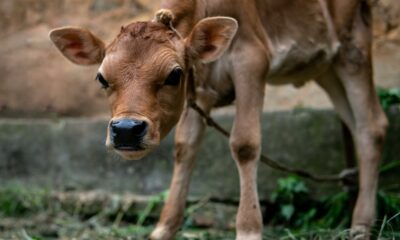
The virus plays a cruel game. Adult cattle often survive the painful blisters and fever, but they become carriers, susceptible to reinfection if never vaccinated. The true tragedy unfolds with the calves, for whom the disease is often fatal. It’s a blow that strikes at both a farmer’s livelihood and their legacy.
The Ripple Effect in a Tight-Knit Community
Talk to locals at the co-op or on community social media groups, and the anxiety is palpable. Beyond the immediate animal welfare crisis, farmers fear the long-term economic lockdown. An FMD outbreak can trigger crippling trade restrictions, cutting off regions from formal livestock markets. For small-scale farmers, this can be ruinous.
There’s also a undercurrent of frustration. Some farmers express feeling left in the dark or confused by the regulations. Others, however, are vocal in community meetings, urging their neighbours to comply with movement bans for everyone’s sake. It’s a tense balance between individual need and communal survival.
What You Can Do: Vigilance is Non-Negotiable
The path forward requires a community-wide effort.
-
Report Suspicions: If your animals show signs of excessive salivation, lameness, or blisters on the mouth and feet, contact authorities immediately. Do not move them.
-
Stop All Non-Essential Movement: This is the most critical step to break the chain of transmission.
-
Biosecurity is Key: Disinfect vehicles, equipment, and limit unnecessary visitor access to farms.
-
Stay Informed: Livestock owners seeking direct guidance can contact the State Veterinarian office in Randfontein at 072 900 0869.
Merafong’ farmers are no strangers to hardship. This outbreak, however, tests their resilience in new ways. It’s a fight against an invisible enemy, requiring a unity of purpose. The vaccine is coming, but until then, the first line of defense is the collective responsibility of every person who owns a cow, sheep, or goat. The health of the whole herd depends on the actions of every single owner.
For The Merafong Chronicle, keeping our community informed and our livestock safe.