News
BOSA Wants the 30% Matric Pass Rate Scrapped And South Africa Is Talking

BOSA Pushes For A Tougher Matric Pass Standard
As South Africa waits anxiously for matric results each year, a familiar debate has once again taken centre stage: is a 30% pass mark really preparing young people for the real world?
This week, Build One South Africa, led by Mmusi Maimane, reignited that conversation with a bold demand. The party wants the government to abolish the long-standing 30% matric pass requirement and replace it with a minimum 50% threshold.
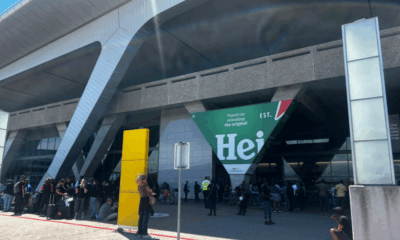
The call was made publicly during a protest outside the matric results centre in Johannesburg, just days before the release of the 2025 matric results. For BOSA, the timing was intentional. The party says the issue is not just about pass rates, but about what those passes actually mean for learners once they leave school.
Why The 30% Pass Mark Is Under Fire
South Africa’s matric system allows learners to pass certain subjects with as little as 30%. Supporters of the system argue it recognises different learning abilities and prevents mass failure. Critics, however, say it creates a false sense of achievement.
According to Build One South Africa, the current benchmark paints a misleading picture of success. While pass rates may look good on paper, many learners struggle to access universities, colleges, or decent jobs afterwards.
Maimane argues that the real test of education success is not the percentage pass rate announced on results day, but whether young people are employable and able to compete in a demanding global economy.
Education And Employability Do Not Always Match
In townships and suburbs alike, this concern resonates deeply. Many families celebrate a matric pass, only to face disappointment months later when applications to tertiary institutions are rejected or job opportunities remain out of reach.
BOSA believes the low pass mark contributes to this gap. Learners may technically pass matric, but without the academic grounding needed for further study or skilled work. The party says raising the minimum requirement to 50% would force the system to focus more on quality than quantity.
It also argues that a higher standard would restore confidence in the schooling system, both locally and internationally.
Public Reaction Shows A Country Divided
On social media, the response has been swift and passionate. Some South Africans applauded the call, saying the 30% benchmark has embarrassed the education system for years.
Others pushed back, warning that raising the bar without fixing overcrowded classrooms, under-resourced schools, and teacher shortages could leave thousands of learners behind.
Parents, in particular, expressed mixed emotions online. While many agree that standards should be higher, there is fear that stricter pass requirements could worsen inequality between well-resourced and underfunded schools.
The Bigger Question Facing South Africa
Beyond party politics, the debate taps into a deeper national anxiety. Education is widely seen as the key to breaking cycles of poverty, yet unemployment among young people remains stubbornly high.
BOSA’s proposal raises an uncomfortable but necessary question: is South Africa celebrating matric success too early, without asking whether learners are truly prepared for life after school?
As the 2025 matric results are released, this conversation is unlikely to fade. Whether government acts on the call or not, pressure is growing for a serious rethink of what a matric pass should represent in modern South Africa.
For many families, the hope is simple. A school-leaving certificate should open doors, not close them quietly after the celebrations are over.
{Source:The South African}
Follow Joburg ETC on Facebook, Twitter , TikTok and Instagram
For more News in Johannesburg, visit joburgetc.com