South Africa’s love affair with the car is entering a challenging new chapter. A flood of competitively priced Chinese vehicles is rapidly capturing market share, offering consumers unprecedented value but simultaneously widening the country’s trade deficit and placing immense strain on the local automotive manufacturing sectora critical employer and export earner.
Trade data reveals a sharp, sustained rise in vehicle imports from China, particularly in the entry-level and mid-range segments where affordability is key. This surge is a double-edged sword: it provides relief for cash-strapped consumers and helps temper inflation, but economists warn the long-term implications for domestic production and trade sustainability are severe.
A Numbers Game That’s Hard to Beat
The scale of the shift is staggering. Paulina Mamogobo, chief economist at the National Association of Automobile Manufacturers of South Africa (NAAMSA), laid out the stark reality. “Just in 2026, we’re expecting an auto growth in China of over 25%, that’s about 7 million cars… So where will that be going? In markets such as our market, which is the African market.”
The local footprint of Chinese brands is exploding. From 8 brands reporting to NAAMSA in 2024, the number grew by an additional 6 in 2025, with expectations for even greater model diversification this year. “Competing with the Chinese influx… is going to be quite significantly difficult,” Mamogobo admitted.
The Local Industry’s Precarious Position
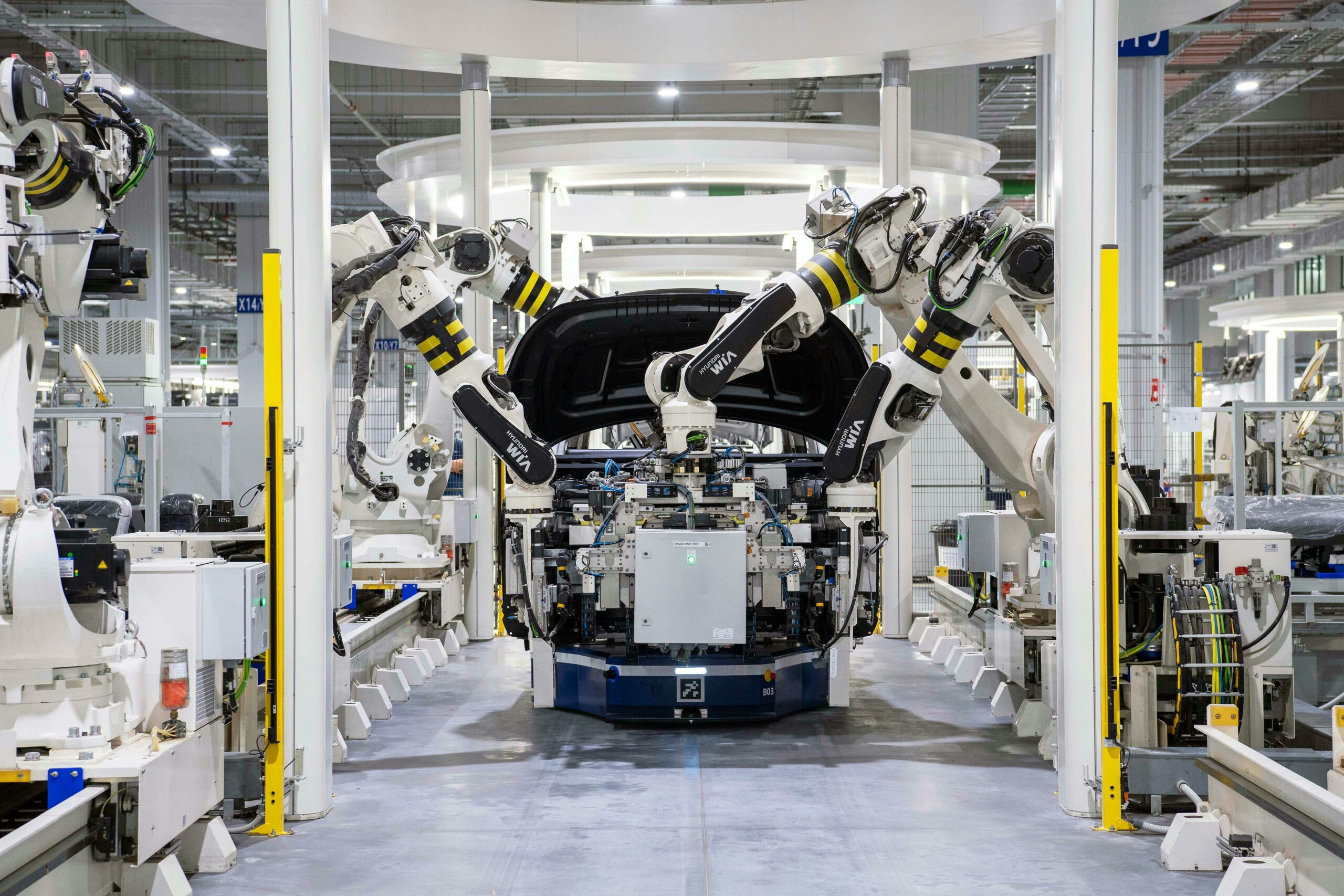
South Africa’s automotive sector is built on a model of local assembly for major international brands and component manufacturing for export. This ecosystem supports thousands of jobs and contributes significantly to GDP. However, the sheer volume and aggressive pricing of Chinese importsspanning petrol, hybrid, and electric modelsthreaten to undermine this structure.
The concern is that without a strategic response, rising imports could erode the economies of scale needed for local plants to remain viable, potentially leading to reduced production, job losses, and a heavier reliance on imported finished goods.
A Continental Shift
This isn’t just a South African story; it’s an African one. Chinese automakers are aggressively targeting the continent’s growing markets, and South Africa, as a major automotive hub, is on the front line. The influx presents a fundamental question: can the local industry adapt fast enough to compete on both price and innovation, or will it be relegated by a wave of imports that consumers are eagerly embracing?
For now, the showroom floors are changing. The badges are multiplying, and prices are becoming more attractive for buyers. But behind the consumer win lies a high-stakes industrial struggle that will define the future of one of South Africa’s most important economic engines. The road ahead requires more than just navigating potholes; it demands a new map for survival in a radically reshaped global market.