News
City Power Pushes Back on Solar Backlash, Says Meter Changes Are About Safety, Not Punishment
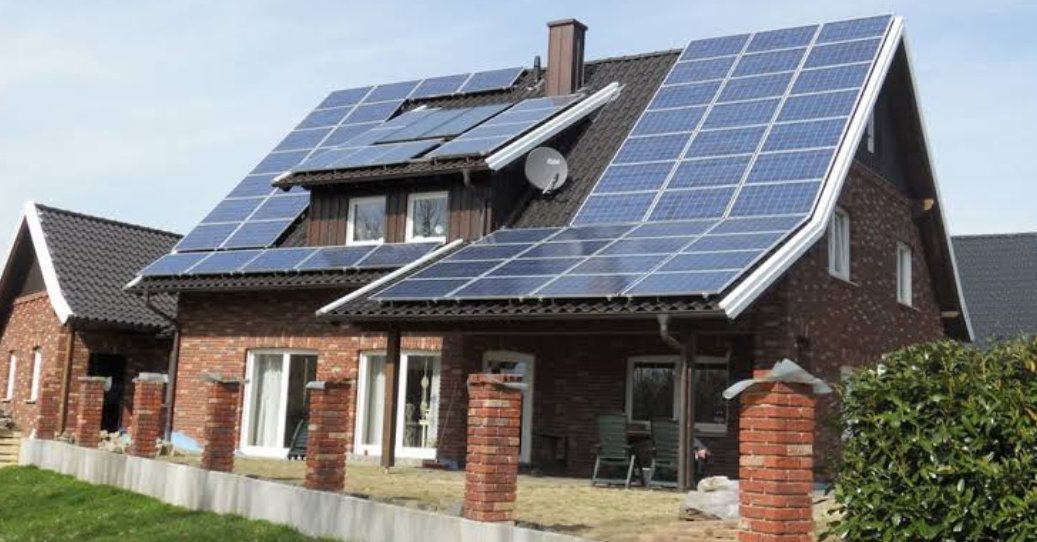
Solar owners cry foul, City Power responds
As more Johannesburg households turn to solar power to escape load shedding, tensions are rising between residents and the city’s electricity provider. This week, City Power moved to calm growing frustration after accusations that it is unfairly targeting homeowners who have invested in solar panels.
The utility has firmly rejected claims that it is “punishing” solar users, insisting that the shift from prepaid to postpaid meters for homes with solar PV systems is a technical necessity, not a political or financial attack.
Why prepaid meters no longer work with solar
According to City Power, the heart of the issue lies in how electricity flows once solar is added to the mix. Traditional prepaid meters were designed for one-way electricity use: power coming into a home from the grid.
Solar changes that equation.
City Power spokesperson Isaac Mangena explained that once a household starts generating electricity and sending excess power back into the grid, prepaid meters simply cannot measure those two-way flows accurately.
This, he said, opens the door to serious problems from billing errors and revenue losses to network instability and even safety risks caused by unregulated energy being pushed back into the system.
In short, the old meters were never built for the energy future Joburg is fast walking into.
‘This is not a punishment’
Last week, the Democratic Alliance accused City Power of deliberately targeting solar users, calling the move a “power grab”. Civil society groups, including OUTA, echoed similar concerns online, with some residents warning that the policy could discourage renewable energy adoption.
City Power has dismissed those claims outright.
Mangena said the conversion to postpaid billing is standard practice in cities that already support embedded generation, including Cape Town and several European municipalities.
Rather than discouraging solar, he argued, the change actually allows households to benefit more including accurate billing, access to reduced time-of-use tariffs, and the ability to earn revenue from selling excess electricity back to the grid.
“We encourage solar adoption,” Mangena said, adding that the aim is to build a fair, stable and future-ready electricity network.
No new fees for going solar
Another rumour gaining traction on social media suggested City Power plans to charge residents for installing solar systems. The utility has categorically denied this.
Residents remain free to install solar PV at their own cost, provided they use approved installers and comply with safety and regulatory standards. City Power, Mangena stressed, does not levy fees simply for choosing solar.
The bigger picture: Joburg’s energy transition
The controversy highlights a broader tension playing out across South Africa. As households move faster than municipalities in adopting alternative energy, ageing infrastructure and outdated systems are being forced to adapt, sometimes awkwardly.
City Power says solar PV forms part of its long-term, 10-point plan to ease electricity shortages. But integration, it insists, must happen responsibly.
For many Joburg residents already stretched by rising costs, the switch to postpaid billing may feel like another burden. City Power’s message, however, is clear: the move is about managing a changing grid, not punishing those trying to keep the lights on.
{Source: The Citizen}
Follow Joburg ETC on Facebook, Twitter , TikTok and Instagram
For more News in Johannesburg, visit joburgetc.com