News
Public servants push back as Cosatu protests 9.8% GEMS hike
Public servants push back as Cosatu protests 9.8% GEMS hike
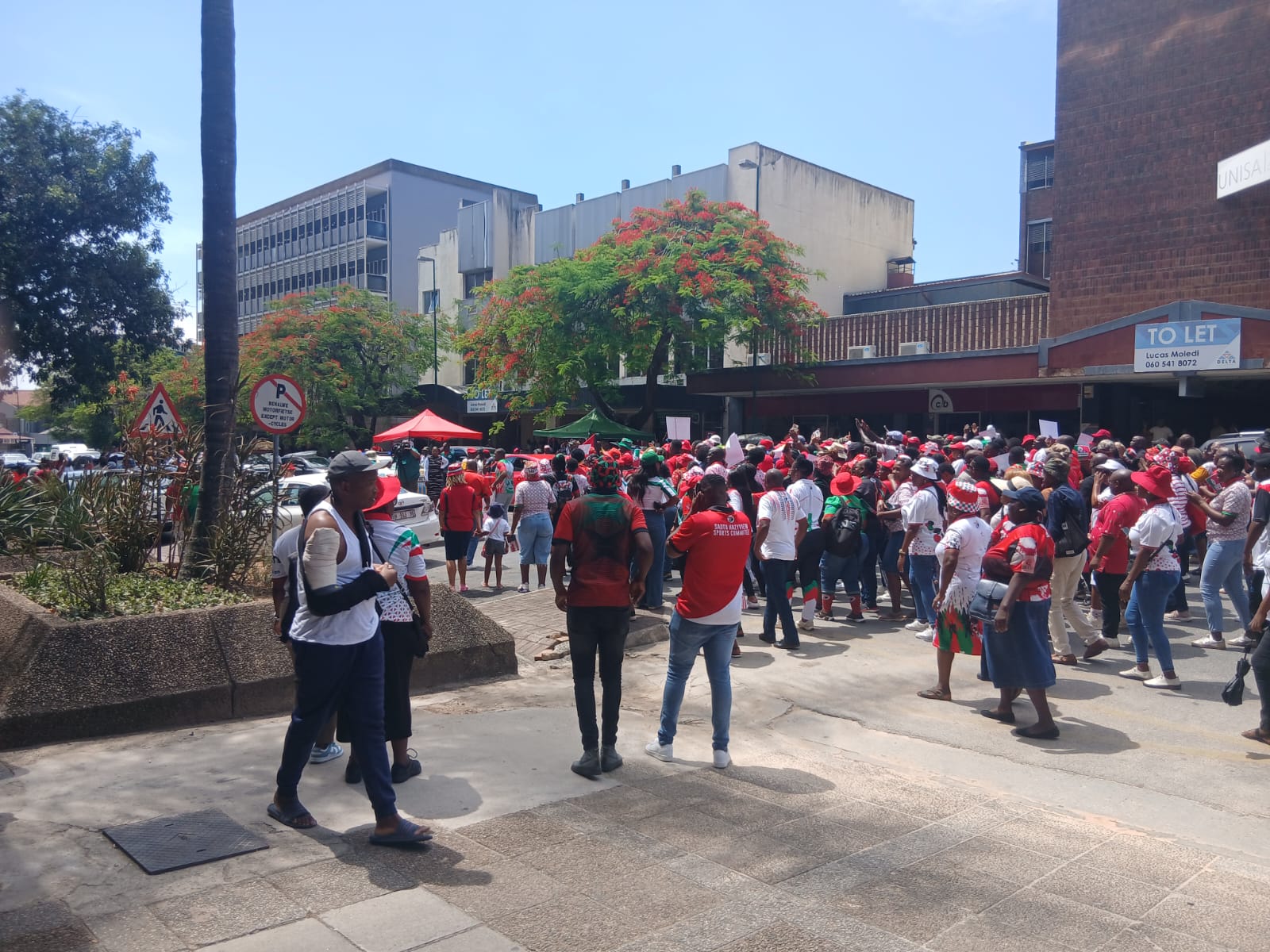
On a warm Pretoria afternoon, placards went up outside the head office of the Government Employees Medical Scheme (GEMS) in Menlyn Main.
The message from workers was simple: enough is enough.
Members of the Congress of South African Trade Unions (Cosatu) gathered to protest what they describe as an unfair 9.8% increase in GEMS contributions for 2026, a hike they say comes at the worst possible time for public servants already squeezed by the rising cost of living.
“We are suffocating”
The protest followed a call from Cosatu KwaZulu-Natal provincial secretary Edwin Mkhize for coordinated lunch-hour pickets across departments and public institutions in the province.
At the heart of the anger is the scale of the increase. Workers argue that the 9.8% adjustment announced for January 2026, follows a 13.4% hike last year. Taken together, that’s a 23.3% jump over two years.
Meanwhile, wages have barely moved in comparison.
Mkhize described the increase as “unilateral and unreasonable”, saying public servants are already battling escalating food and transport costs while their salaries stagnate.
For many government employees, medical aid is not a luxury, it’s a necessity. And because GEMS is a closed scheme specifically for public servants, membership is compulsory for many. That leaves little room to shop around for cheaper alternatives.
Inflation guidance ignored?
Cosatu says the increase is particularly galling because the Council for Medical Schemes had recommended a 3.3% contribution adjustment for 2026.
According to the union, GEMS opted for an increase 6.5 percentage points higher than that guidance.
Workers also complain that while they are paying more, their benefits feel increasingly restricted, capped doctor visits and limited cover leaving families anxious about what happens when medical needs exceed the fine print.
In a country where public healthcare facilities are often overstretched, medical aid is seen by many public servants as their safety net. Rising contributions, they say, are eroding that security.
A wider medical inflation crisis
Political analyst Piet Croucamp suggests the problem may be bigger than GEMS alone.
Medical inflation in South Africa has consistently outpaced consumer inflation. Schemes face rising costs from healthcare providers, specialists and hospital groups and must operate within strict statutory rules that govern how they structure benefits and contributions.
In that sense, GEMS may not be unique. But because it serves public servants, teachers, nurses, police officers and administrative staff, the optics of a near 10% hike are politically sensitive.
Social media reactions have reflected that frustration. Some users have questioned why workers are expected to shoulder increases above inflation, while others argue that healthcare costs are climbing globally and schemes have limited room to manoeuvre.
The cost-of-living crunch
The protest taps into a broader national mood.
South African households have endured years of economic pressure: modest wage growth, rising utility bills, fuel increases and food inflation. Even small percentage hikes can feel overwhelming when budgets are already stretched thin.
For a mid-level public servant supporting a family, a near 10% medical aid increase may mean cutting back elsewhere fewer groceries in the trolley, postponing home repairs, cancelling small comforts.
Healthcare, after all, is one of the few expenses people are reluctant to gamble with.
What workers want
Cosatu’s demands include expanding access to affordable healthcare, particularly for lower- and middle-income public servants, and ensuring that cover remains sustainable and cost-effective.
The union argues that as a scheme designed specifically for government employees, GEMS carries a responsibility to shield members from excessive financial strain.
Whether that argument leads to a reconsideration of the increase remains to be seen.
For now, the images of workers picketing outside the Menlyn Main offices capture a deeper anxiety: that even essential benefits are becoming harder to afford.
In the ongoing battle between rising medical costs and shrinking disposable income, public servants are making it clear, they don’t want to carry the burden alone.
{Source: The Citizen}
Follow Joburg ETC on Facebook, Twitter , TikTok and Instagram
For more News in Johannesburg, visit joburgetc.com