News
Ekurhuleni cleared to source 2,400MW from private producers, R36bn savings expected
Ekurhuleni won approval to procure 2,400MW from private IPPs, attracting over R16bn and expected to save the municipality about R36bn over 20 years.
What was approved and when it will come online
The ministerial determination gives Ekurhuleni authority to proceed with a large-scale Independent Power Producer (IPP) programme. Officials say the programme’s initial phases are scheduled to come online in 2027, with the full portfolio of expected megawatts due by 2030.
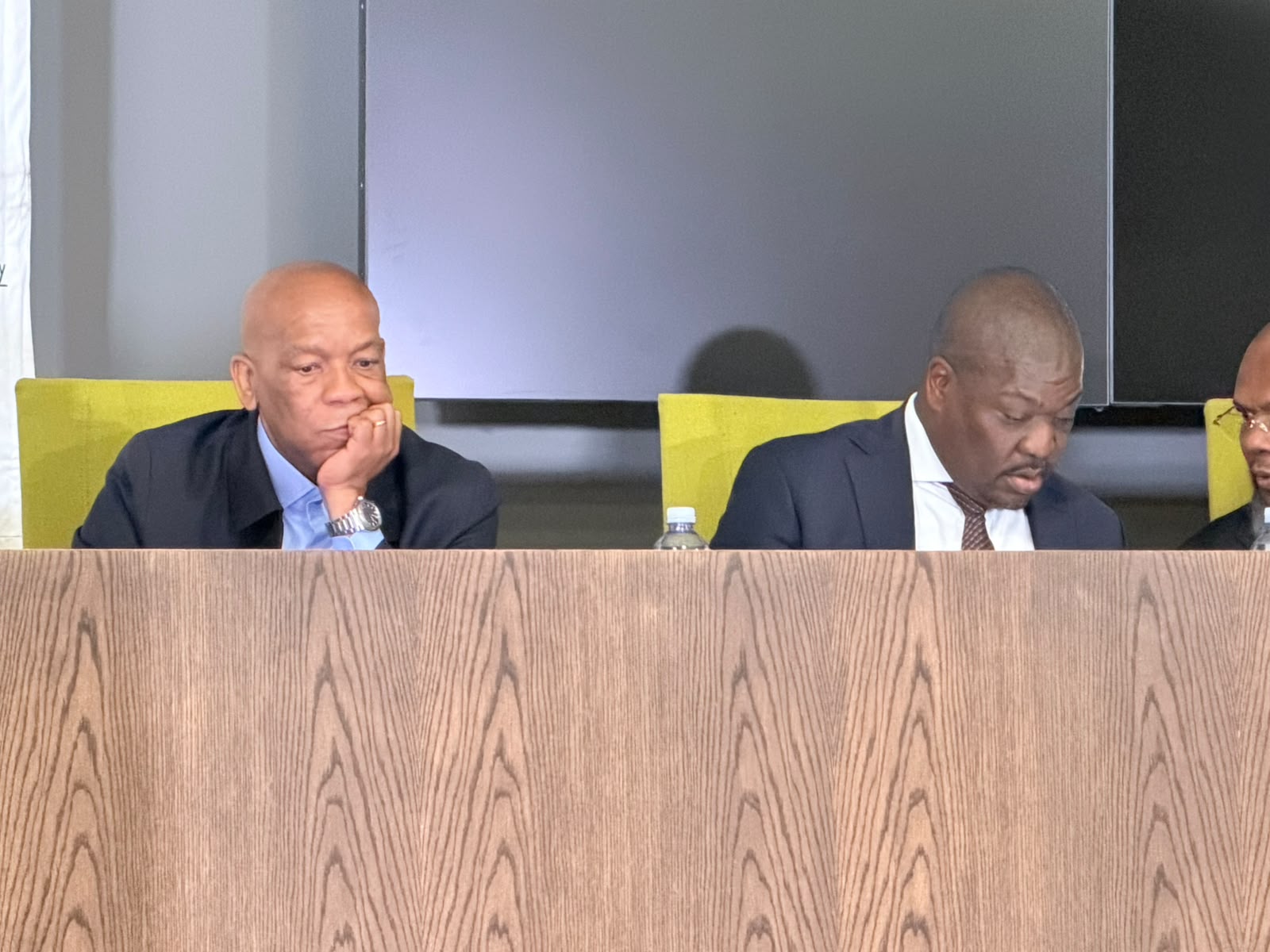
Minister Kgosientsho Ramakgopa described the arrangement as a municipal-level IPP rollout, stressing the role of private capital and the municipality’s ability to redirect its own funds to other priorities. He said:
“The city will not spend a cent from their balance sheet. The mayor and council will redirect their capital to other spending pressures and then use the spending power of the private sector to help them roll out this programme.
Ramakgopa added:
“If you like, it is an IPP version at the level of a municipality, and that’s the collaboration of public and private sector.”
Supply mix and embedded generation
The determination approves the procurement of 2 400MW, close to the city’s reported daily demand. Officials put Ekurhuleni’s daily electricity demand at about 2 500MW. The approved capacity is allocated across technologies as follows:
- 1 240MW from solar photovoltaic sites
- 780MW from natural gas
- 180MW from waste-to-energy programmes
About 1 400MW of the approved capacity will be embedded generation, meaning that portion will be produced within Ekurhuleni’s municipal boundaries. Ramakgopa noted this mix could reduce the city’s overall dependence on Eskom while the area remains grid-tied:
“What this does, potentially, is to free Ekurhuleni from total dependence on Eskom… Of course, it will continue to be grid-tied, but it will be generating using the instrument provided for in law.”
Waste-to-energy and local economic opportunity
The minister singled out the waste-to-energy component as an area of particular promise. He said technological developments were opening new value chains from waste and suggested the programme could capture local economic benefit across those chains. In his words:
“With the maturing of new technology, waste is the new gold. They will be able to build the waste economy.
Ramakgopa also referenced informal waste pickers and the need to capture value across the sector:
“The pickers that we are seeing, I am sure Ekurhuleni will find a way of ensuring they capture the whole value chain.”
Municipal finances, jobs and partners
Ekurhuleni mayor Nkosindiphile Xhakaza said the programme would relieve pressure on the municipality’s capital budget and deliver jobs. He estimated the municipality would save R36 billion over 20 years. The mayor also said the first phases would start with sod-turning activity in the week of the announcement and noted there were 75 partners awaiting approvals.
Quoting the mayor:
“Now that the licence is here, hopefully tomorrow we get it gazetted. Ekurhuleni is going to be busy. There will be much-needed jobs for our people in the immediate [future],”
The department and municipal representatives highlighted that a high proportion of approved partners are locally owned: officials said about 80% of the partners were wholly black-owned, and framed this as part of the programme’s transformation objectives.
Regulatory context and comparisons with other cities
Ekurhuleni was the first municipality to apply for this particular ministerial determination, and the application received extended scrutiny because of its scale. The source notes that eThekwini had since been the first to receive a ministerial determination, and Cape Town the second; the report also records that Cape Town independently generates 400MW and 220MW in other capacities.
Ministerial determinations and Section 34 approvals are the regulatory route used to permit new, large-scale generation where such approvals are required. In this case, the municipality’s Section 34 application was granted for the 2 400MW programme.
Why this matters for Gauteng’s industrial hub
Officials framed the programme as addressing both energy security and affordability for Gauteng’s industrial economy. Ramakgopa tied the initiative to broader aims beyond kilowatts on the grid, emphasising transformation, industrial renewal and community participation:
“The measure of the success of this programme is not just the megawatts on the grid. Fundamentally, it’s about transformation. It’s about reindustrialisation. It’s about ownership and community participation,”
he said.
What to watch next
With licences expected to be gazetted and initial construction due to start shortly after the approvals, the first visible signs will be the delivery of contracts, groundworks and the hiring associated with early phases. As the programme rolls out, officials and residents will be watching for actual commissioning dates, the pace of partner approvals, and how embedded projects integrate with existing local infrastructure.
For now, the ministerial determination marks a significant policy step for Ekurhuleni: it authorises large-scale private-sector generation aimed at shifting the city’s electricity mix, attracting private capital, and promising both fiscal relief for the municipality and new economic opportunities tied to the energy transition.
Follow Joburg ETC on Facebook, Twitter, TikTok and Instagram
For more News in Johannesburg, visit joburgetc.com
Source: citizen.co.za