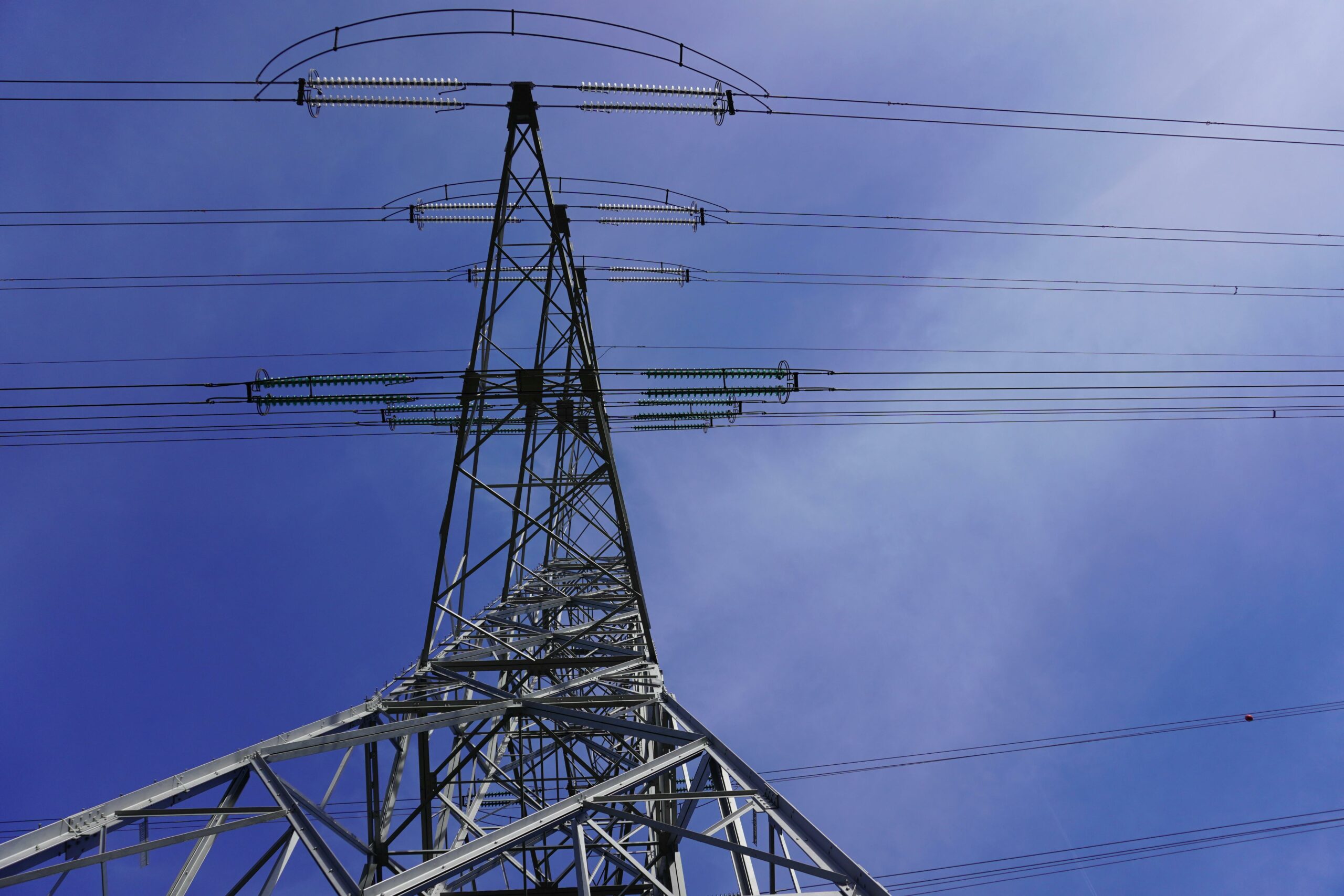
South African homeowners are facing another wave of electricity price increases, ramping up the pressure on thinning household budgets.
After much legal wrangling, the National Energy Regulator of South Africa (Nersa) approved Eskom tariff adjustments that are almost three times the consumer price index inflation.
The Impact on Your Bill
Nersa approved an average 8.76% electricity tariff increase from April , with a further 8.83% increase scheduled for April 2027.
A household paying roughly R2,500 per month on electricity will see that figure expand to over R3,000 after the increasetranslating into thousands of extra rands spent on electricity annually.
The Solar Solution
LookSee , Standard Bank’s home efficiency platform, is packaging modular, scalable smart home solar installations with customisable financing options.
“Taking the majority of your load away from the grid is possible, as is taking the cost of your water heating off your electricity bill,” said LookSee Executive Head Marc du Plessis.
“Homeowners are not just looking at this month, or this year, as those benefits increase with every year that passes.”
The Savings
Data from early adopters showed those spending over R5,000 on electricity in 2022 are on course to have saved roughly R300,000 by 2028.
For homeowners currently utilising LookSee’s solutions and home loan finance concessions, projected lifetime savings are an estimated R890 million over a 10-year period.
“Delaying the move to solar means delaying real savings. And the larger the household, the greater the savings potential,” du Plessis added.
Where to Start
Water heating accounts for around 40% of household electricity usage. A solar geyser conversion is one of the most effective entry points.
“Savings generated are substantial enough to offset the cost quickly, making it an attractive option for homeowners seeking immediate relief.”
The Bottom Line
Tariffs are rising 8.76%. A R2,500 bill becomes R3,000. Year after year, the increases compound.
Solar isn’t just about saving the environment anymore. It’s about saving your wallet.
“Price hikes are fixed and inevitable. By installing a solar system now, homeowners can immediately reduce exposure to tariff increases and start building long-term financial resilience.”