Business
Fuel levy cuts urged as petrol prices surge in South Africa
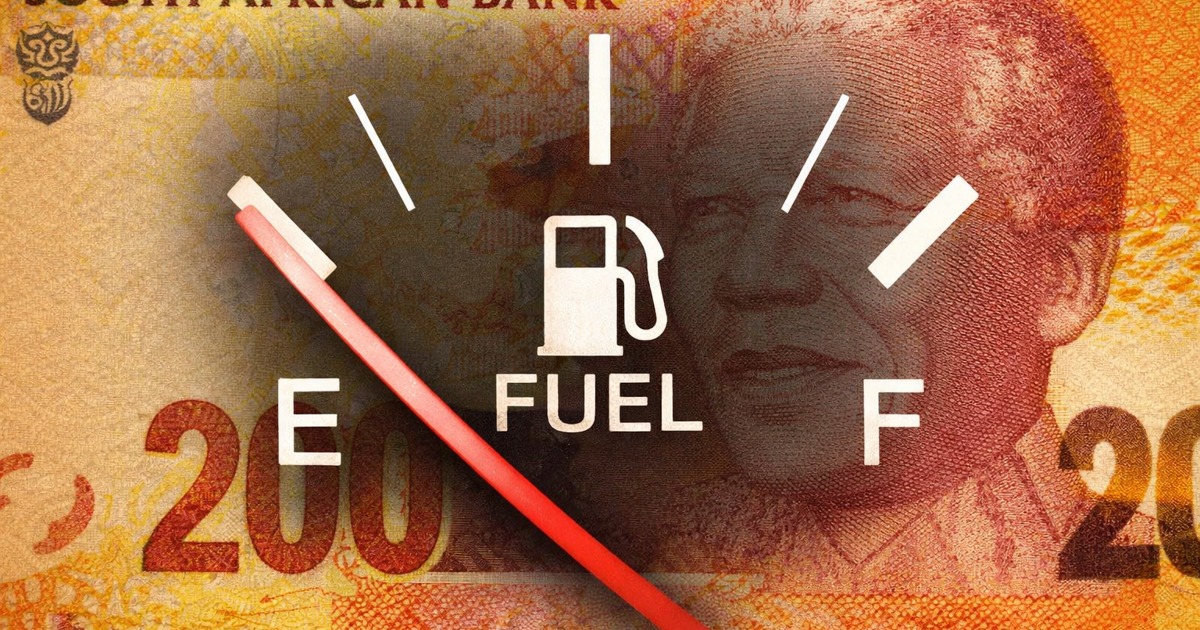
If you’ve filled up your tank recently, you’ve probably felt it. That quiet sting at the pump is slowly turning into full-blown panic for many South Africans. Now, with petrol and diesel prices climbing to record levels, the calls for the government to step in are getting louder and harder to ignore.
From trade unions to farming groups, the message is the same. Cut the fuel levies, and do it fast.
A growing chorus from workers and farmers
It’s not just one sector raising the alarm. Organised labour and agriculture are now standing side by side, warning that the current fuel price surge could push the economy into dangerous territory.
Groups like Cosatu say workers are already stretched to breaking point. For many households, transport costs are eating up a huge chunk of income. In some cases, nearly half a salary is already going towards getting to work. With prices rising again, that number could climb even higher.
On the farming side, the pressure looks just as serious. AgriSA and the Agricultural Business Chamber have flagged supply issues and rationing in parts of the country. Their survey, which included over a thousand producers and multiple fuel sites, paints a worrying picture. Farmers are facing limits on how much fuel they can buy, sometimes as little as 50 litres a day.
At a time when crops need to move and machinery needs to run, that kind of restriction can ripple quickly into food supply and pricing.
Why fuel prices are hitting so hard
The spike in prices is being linked to global tensions, particularly the ongoing conflict involving the United States, Israel, and Iran. For a country like South Africa, which relies heavily on imported fuel, global instability translates almost immediately into local pain.
Economists warn the impact doesn’t stop at the petrol pump. Higher fuel costs push up transport expenses, which then drive up the price of goods across the board. Food, imported materials, and everyday essentials all become more expensive.
For households already managing tight budgets and supporting extended families, even small increases can have a multiplying effect.
Talk of solutions, but no clear action yet
There are growing calls for South Africa to follow countries like Namibia and Australia, which have already moved to temporarily cut fuel taxes. The idea is simple. Reduce the levies to give consumers short-term relief while global markets stabilise.
Locally, the government has acknowledged the pressure. President Cyril Ramaphosa has indicated that options are being explored, but no concrete measures have been confirmed yet.
For many, that delay is part of the frustration. Organisations like Misa argue that workers cannot afford to wait while costs keep climbing, especially with electricity tariffs also set to rise.
A familiar crisis, but with new stakes
South Africa has faced fuel crises before. Back in the 1970s, restrictions included limits on when fuel could be sold and lower speed limits on highways. Today, the conversation is less about rationing movement and more about keeping the economy from slowing down altogether.
With petrol expected to hover around R26 per litre and diesel pushing close to R30, the pressure is no longer abstract. It’s immediate and visible in daily life.
The bigger economic ripple
Experts warn that if prices remain high, inflation could rise further, potentially triggering interest rate decisions that affect everything from home loans to business investment.
And then there’s the job market. If businesses face rising costs across transport, production, and logistics, layoffs could follow. That’s the scenario unions are trying to avoid.
What South Africans are saying
Across social media, the mood is shifting from frustration to anxiety. Many are sharing stories of cutting back on travel, combining trips, or even reconsidering job opportunities based on transport costs alone.
For others, the concern is more immediate. How do you choose between commuting and groceries when both keep getting more expensive?
A tipping point moment
This isn’t just about fuel anymore. It’s about how rising costs are reshaping everyday life in South Africa.
Whether the government moves to cut levies or introduces another form of relief, the next few weeks could be critical. For now, South Africans are watching closely, hoping that action comes before the pressure turns into something much harder to manage.
Follow Joburg ETC on Facebook, Twitter, TikT
For more News in Johannesburg, visit joburgetc.com
Source: The Citizen
Featured Image: EWN