News
Petrol up, diesel surges: South Africa braces for painful April fuel hike
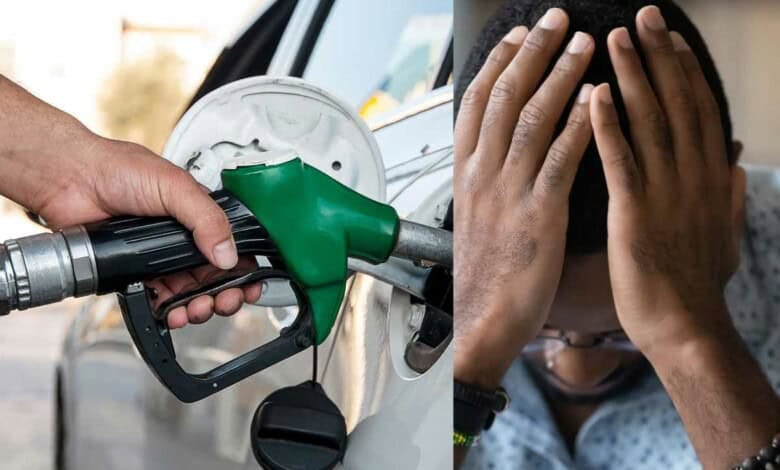
Petrol up, diesel surges: South Africa braces for painful April fuel hike
If you’ve been holding your breath at the petrol station lately, you’re not alone but now it’s official.
South Africans are heading into April with one of the sharpest fuel price increases in recent memory, and while government intervention softened the blow slightly, it hasn’t come close to shielding motorists from the impact.
Come midnight on 1 April, filling up is going to feel noticeably heavier on the wallet and no, it’s not an April Fool’s joke.
The numbers: what you’ll pay from April
The Department of Mineral Resources and Energy has confirmed the increases, and they’re significant:
- Petrol (93 & 95): up by R3.06 per litre
- Diesel (0.05%): up by R7.37 per litre
- Diesel (0.005%): up by R7.51 per litre
- Illuminating paraffin: up by a staggering R15.60
To put that into perspective, inland prices for petrol 95 will jump from around R20.30 to roughly R23.36 per litre, while diesel will shoot up past R26 per litre in some areas. Coastal regions will see slightly lower prices but the increases are just as painful.
| INLAND | March | April |
| Petrol 93 | R20.19 | R23.25 |
| Petrol 95 | R20.30 | R23.36 |
| Diesel 0.05% | R18.53 | R25.90 |
| Diesel 0.005% | R18.60 | R26.11 |
| Illuminating Paraffin | R12.54 | R28.14 |
| COASTAL | March | April |
| Petrol 93 | R19.40 | R22.46 |
| Petrol 95 | R19.47 | R22.53 |
| Diesel 0.05% | R17.70 | R25.07 |
| Diesel 0.005% | R17.84 | R25.35 |
| Illuminating Paraffin | R11.52 | R27.12 |
Why this is happening now
Behind the spike is a familiar but powerful combination: global instability and a weaker rand.
The latest surge traces back to escalating tensions in the Middle East, following military action involving the United States and Iran earlier this year. The ripple effect has been immediate, pushing global oil prices higher and raising fears about supply disruptions especially through the Strait of Hormuz, one of the world’s most critical oil routes.
At the time of writing, Brent crude is hovering above $116 a barrel, while the rand has weakened to around R17.08 to the dollar.
For South Africa, which imports most of its fuel, that’s a double hit.
A small cushion, but not enough
In an attempt to ease the pressure, the National Treasury introduced a temporary R3.00 per litre reduction in the general fuel levy.
It’s a rare intervention and without it, the increases could have been even higher.
But here’s the reality: even with that relief, South Africans are still facing steep hikes across the board.
Why diesel matters more than you think
While petrol grabs headlines, it’s diesel that could quietly hit hardest.
Diesel powers the backbone of the economy, trucks, farming equipment, and much of the country’s supply chain. A jump of more than R7 per litre isn’t just a transport issue, it’s a cost-of-living issue.
Expect knock-on effects like:
- Higher food prices
- Increased transport and delivery costs
- Pressure on small businesses
- Rising inflation in the months ahead
In short, even if you don’t drive a diesel car, you’ll likely feel it.
Social media reaction: “We’re not okay”
As news of the confirmed increases spread, South Africans took to social media and the mood was a mix of disbelief and dark humour.
Some joked about switching to bicycles or working from home permanently. Others were more blunt: “We’re not okay.”
There’s a growing sense that fuel prices have become a monthly anxiety trigger, especially as many households are already juggling rising food, electricity, and rent costs.
A familiar cycle, with higher stakes
Fuel price hikes aren’t new in South Africa. But what makes this moment different is the scale and timing.
After years of slow economic recovery, high unemployment, and rising living costs, many South Africans simply have less room to absorb another shock.
And with global tensions still unresolved, analysts warn that this may not be the last increase we see in 2026.
The takeaway: brace for impact
April’s fuel hike is more than just a number on a pump it’s a reminder of how connected South Africa is to global events.
From conflict thousands of kilometres away to currency shifts at home, the effects land squarely in everyday life: at the petrol station, in grocery aisles, and in monthly budgets.
For now, the advice remains the same plan ahead, budget carefully, and avoid panic buying.
Because while supply remains stable, one thing is certain: the cost of getting from A to B just went up and it’s going to be felt far beyond the road.
{Source: The South Africa}
Follow Joburg ETC on Facebook, Twitter , TikTok and Instagram
For more News in Johannesburg, visit joburgetc.com