News
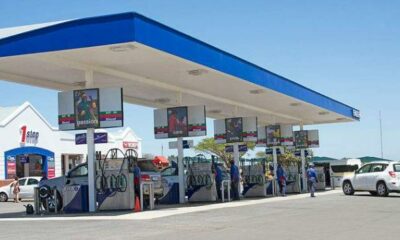
Fuel Price Hike: How R3.06 Petrol, R7.51 Diesel Are Raising Your Monthly Bills
South Africans are facing a sharp rise in everyday costs as global fuel shocks ripple through the economy, pushing up the price of food, travel, and borrowing.
What began as a surge in oil prices is now being felt directly in household budgets, with increases filtering through multiple layers of spending.
Fuel sits at the centre of the economy, meaning a rise at the pump feeds through into transport, production, and logisticsand ultimately into the price of goods, services, and borrowing.
The Numbers
From April:
-
Petrol: Up R3.06 per litre
-
Diesel: Up between R7.37 and R7.51 per litre
The government cut the fuel levy by around R3 to cushion the blow. Without that intervention, petrol would have risen by over R5.80 and diesel by over R10.
Inflation Pressures
Lesetja Kganyago , governor of the South African Reserve Bank (SARB), said the bank has modelled two scenarios:
Scenario 1 (short conflict): Oil averages near $100/barrel, rand weakens 5%. Inflation rises above 4%, requiring one additional interest rate increase this year before returning to target by 2027.
Scenario 2 (long conflict): War lasts over a year, oil stays above $100, rand weakens 10%. Inflation exceeds 5%, requiring several interest rate increases before returning to target by 2028.
“Given the oil price shock, we now project inflation to reach around 4% in the second quarter, with fuel inflation over 18%,” said Kganyago.
Revised Forecasts
Nolan Wapenaar , head of fixed income and co-chief investment officer at Anchor Capital, said the SARB has revised its headline inflation forecast for 2026 upward to 3.7% from January’s 3.3% forecast.
Ahead of the most recent Monetary Policy Committee meeting, Independent economist Elize Kruger said: “The expected spike in fuel prices in early April will likely derail the moderate inflation outcome previously envisaged.”
The Ripple Effect
Fuel drives the initial shock, but the costs spread:
-
Food: Higher transport costs mean higher prices at the till
-
Travel: Commuters face steeper taxi, bus, and ride-hailing fares
-
Borrowing: If inflation persists, interest rates will rise, making loans and bonds more expensive
The Bottom Line
Petrol up R3.06. Diesel up R7.51. Inflation forecast to hit 4%. Interest rates may rise.
The war in the Middle East is hitting South African walletsand the pain is just beginning.
{Source: IOL}
Follow Joburg ETC on Facebook, Twitter , TikTok and Instagram
For more News in Johannesburg, visit joburgetc.com