News
Gauteng’s power game shifts as ANC brings EFF into government
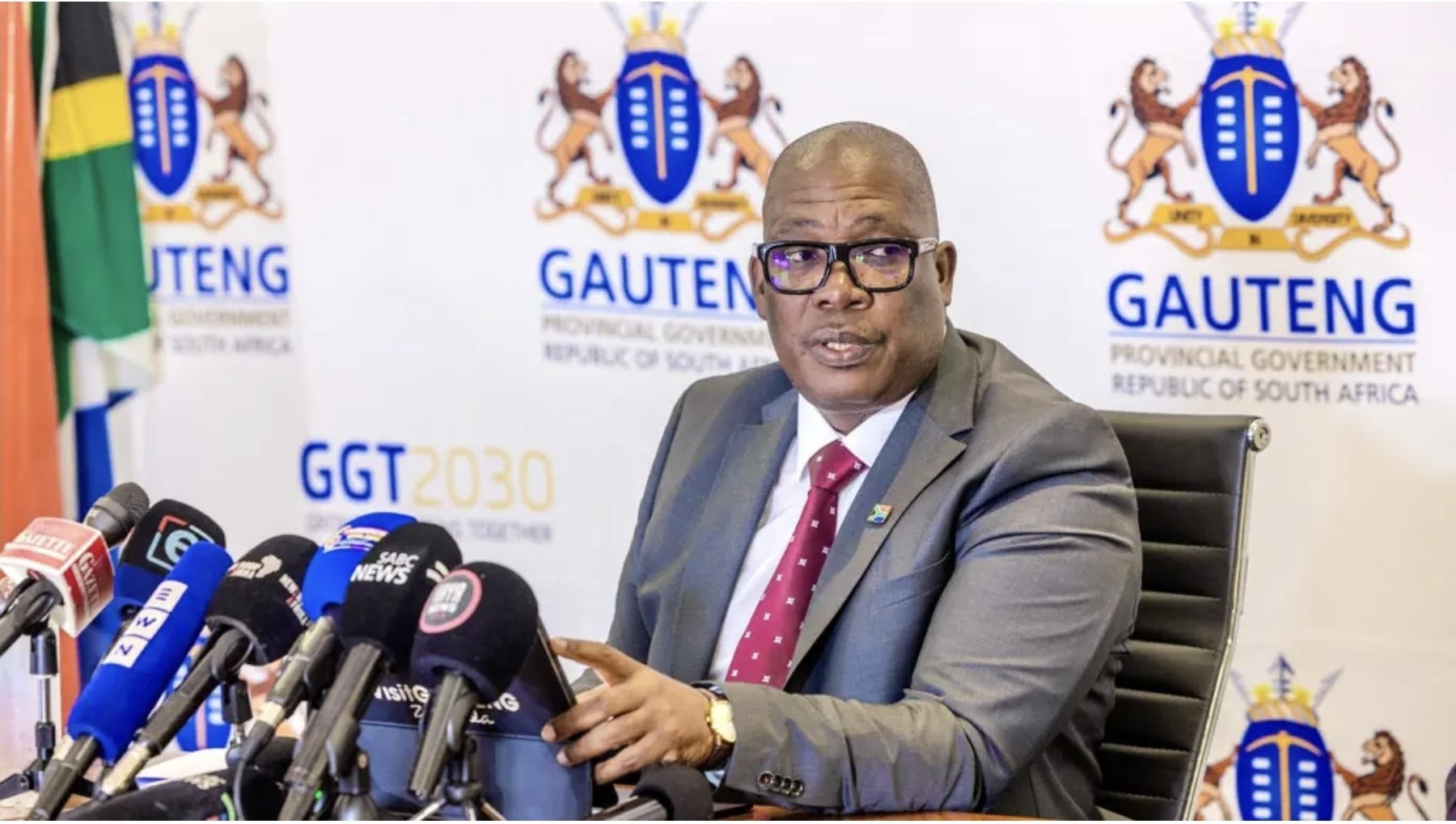
Gauteng’s power game shifts as ANC brings EFF into government
A new political chapter begins in Gauteng
If Gauteng politics has felt like a game of musical chairs over the past year, this week brought a decisive and strategic move.
The African National Congress (ANC) has officially brought the Economic Freedom Fighters (EFF) into its provincial government, tightening its grip on power after months of operating without a clear majority.
Premier Panyaza Lesufi announced a reshuffled executive, signalling what many see as a shift from political survival mode to something more stable at least for now.
Why the ANC needed this move
Since the 2024 elections, the ANC has been governing Gauteng from a position of weakness.
Without a majority in the legislature, the party has relied on support from opposition parties to pass key decisions a fragile arrangement that recently collapsed.
The turning point came when Julius Malema and his party refused to support the province’s adjustment budget, leaving the ANC with little choice but to renegotiate alliances.
Bringing the EFF into government isn’t just symbolic it’s a survival strategy.
EFF takes a powerful seat at the table
One of the most significant outcomes of the new arrangement is the appointment of Nkululeko Dunga as Finance MEC.
That’s no small role.
It means the EFF now has direct influence over Gauteng’s budget from infrastructure spending to social programmes giving the party real power, not just political visibility.
The EFF has welcomed the move, calling it a step towards stronger governance and greater stability in the province.
The MK Party: the missing piece
While the EFF is now inside the tent, the ANC isn’t done negotiating.
Talks are ongoing with the MK Party (MKP), with multiple options still on the table from joining the executive to playing a role in the legislature or other state structures.
If the MK Party comes on board, it could further solidify the ANC’s position and reduce the risk of future instability.
For now, though, it remains a waiting game.
Where does this leave other parties?
The Democratic Alliance (DA) has made its stance clear: it won’t join a provincial government that includes both the EFF and MK Party.
That effectively closes one door for the ANC and makes its current alliance strategy even more crucial.
Meanwhile, smaller parties are stepping into the mix. Rise Mzansi has signalled its willingness to contribute, with its national chairperson taking on the role of MEC for Economic Development.
Social media reaction: “Coalition or compromise?”
As expected, South Africans have strong opinions.
On social media, the reactions have been split:
- Some see the move as a necessary step to stabilise governance
- Others view it as political compromise that could blur party ideologies
There’s also curiosity about how the ANC and EFF parties with historically different approaches will work together in practice.
For many voters, the question isn’t just who’s in power, but how that power will be used.
A glimpse into South Africa’s coalition future
Gauteng has become a testing ground for coalition politics in South Africa.
With no single party dominating as it once did, alliances are no longer optional they’re essential.
This latest shift reflects a broader national trend:
- Negotiation over dominance
- Compromise over control
- Strategy over certainty
It’s messy, sometimes unpredictable, but increasingly the new normal.
The ANC’s decision to bring the EFF into government may stabilise Gauteng in the short term.
But the real test lies ahead.
Can these parties govern together effectively?
Will policy differences create friction?
And what happens if the MK Party joins the mix?
For now, one thing is clear:
Gauteng’s political landscape has changed and the ripple effects are just beginning.
{Source: IOL}
Follow Joburg ETC on Facebook, Twitter , TikTok and Instagram
For more News in Johannesburg, visit joburgetc.com