
News
GirlCode South Africa: Empowering Girls for Future Tech Careers
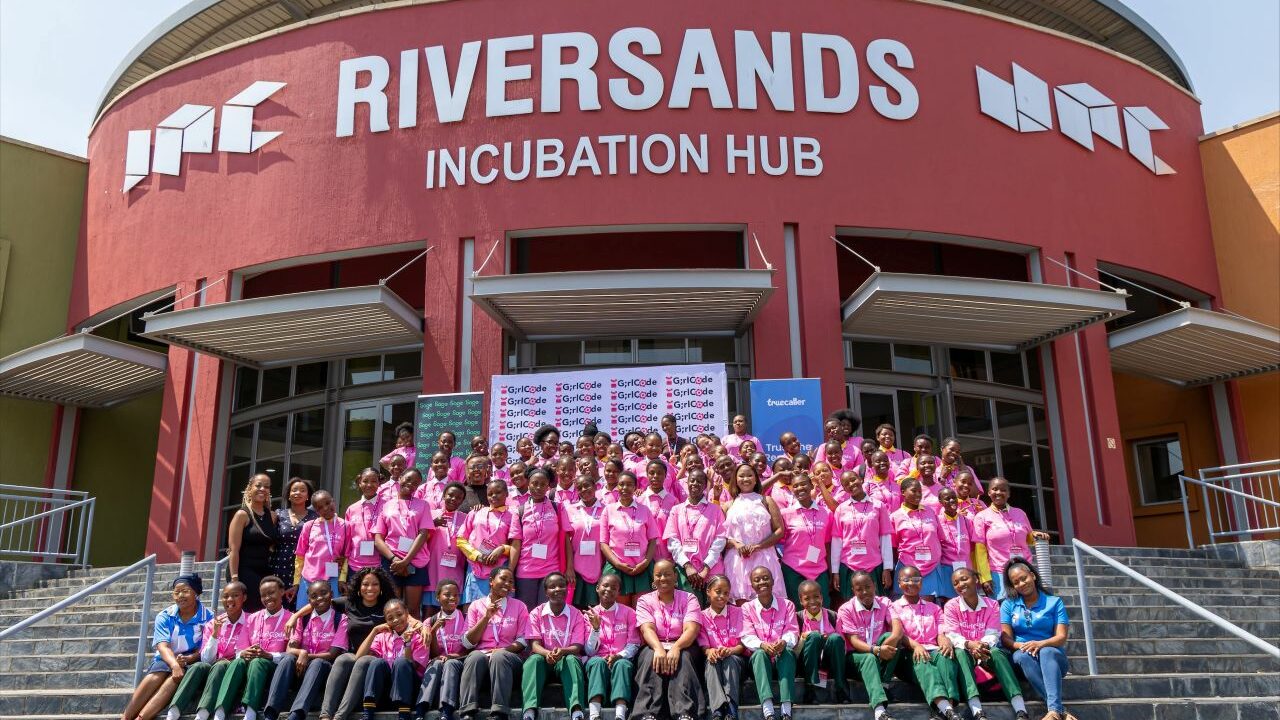
From learning the basics of coding to securing a job in software development, GirlCode is showing why investing in girls’ digital education early can open doors that might otherwise remain closed.
South Africa’s future technology workforce could be sitting in a primary school classroom today. But for many girls, the journey from being curious about computers to building a career in technology depends on something they cannot take for granted: access to digital education.
GirlCode, a South African non-profit organisation focused on empowering girls and women through technology, is working to change that reality. Through its long-running partnership with Sage, the organisation is helping young learners develop coding, robotics and problem-solving skills while introducing them to careers they may never have considered.
The need is significant. With an estimated 77 000 information and communications technology (ICT) roles unfilled in South Africa, expanding access to digital skills is not simply about giving girls new interests. It is also about preparing more young people to participate in the country’s digital economy.
A coding journey that starts before adulthood
For many young people, a career in technology can seem distant until they get the opportunity to experience it for themselves. GirlCode’s GirlCoder Club aims to make that first step more accessible.
The programme supports girls aged five to 18 through online and in-person classes covering coding, robotics, computational thinking, problem-solving and emerging technologies. By introducing these skills at an early age, it gives learners time to explore their interests and build confidence before making important educational and career decisions.
That early exposure matters in a country where access to devices, reliable connectivity, mentors and practical learning opportunities remains uneven.
Although coding and robotics are increasingly being introduced in government schools, not every learner has the resources needed to develop these skills beyond the classroom. Programmes such as GirlCoder Club help address that gap by providing structured learning opportunities for girls from underserved communities.
The bigger picture is about more than teaching children to write code. It is about helping them see technology as a field in which they can participate, create and eventually build a career.
Seven years of partnership, with thousands of learners reached
GirlCode’s partnership with Sage has continued for seven years, reaching more than 4 000 learners in Grades 3 to 9 through coding and robotics programmes.
The partnership illustrates the value of sustained support for digital education. Rather than treating skills development as a once-off intervention, long-term investment can give young people more opportunities to learn, practise and discover what they are capable of doing.
For South Africa, where the demand for ICT skills remains high, this kind of early engagement can help strengthen the pipeline of future technology talent.
It also offers a practical example of how businesses can contribute to addressing the digital divide. Corporate support can help extend learning opportunities to communities where access to technology education might otherwise be limited.
From making games to building a future in technology
For Olwethu Mdluli, the possibilities have become clearer with every new skill she learns.
Olwethu joined GirlCode’s programme in 2024 as a Grade 5 learner. Since then, she has explored ICT and robotics, learned how to create her own games and started studying HTML.
Her next ambition is becoming more tangible: building her own website.
Learning HTML has brought her another step closer to understanding how websites are created, turning an interest in technology into something she can actively pursue.
Olwethu describes coding as a superpower because of the opportunities it can unlock in the world of future technology.
Her experience captures an important part of early digital education. Children do not need to have their entire future mapped out before they begin learning. Sometimes, the first achievement is simply discovering that they can make something themselves.
That confidence can help shape the questions they ask, the subjects they pursue and the careers they eventually consider.
When digital skills become a career opportunity
The long-term potential of skills development is also reflected in the experience of Neo Deane, a GirlCode beneficiary who is now employed as a Graduate Developer at Rand Merchant Bank (RMB).
Neo completed GirlCode’s Python programme before moving into her current role. She credits the organisation with helping shape her career, opening doors she had not previously considered and giving her support as she developed professionally.
Her journey highlights a different stage of the same process: the transition from learning technical skills to applying them in the workplace.
For younger learners, stories like Neo’s can make technology careers feel more attainable. They provide a connection between what a girl learns in a coding session today and what she might eventually do in a professional environment.
That connection is particularly important when young people have limited exposure to technology professionals or lack established networks in the industry.
GirlCode’s approach recognises that building a future in technology takes more than a single lesson. Learners need opportunities to develop their skills over time, explore different career paths and understand how their knowledge can translate into employment.
A career fair brings the possibilities closer
GirlCode brought this approach to life at its Career Fair at Riversands Hub in Gauteng, held in recognition of the International Day of the Girl Child.
The event brought together top-performing GirlCoders from across South Africa, giving them an opportunity to engage with technology professionals and learn more about careers in artificial intelligence, cybersecurity, software development, robotics and data science.
They also had the chance to meet women already working in the technology sector.
For learners still finding their feet, this kind of exposure can help turn an unfamiliar job title into a real possibility. A career in cybersecurity or data science may be difficult to picture when someone has never met a professional in that field. Speaking directly to people working in these roles can help bridge that gap.
The Career Fair also showed how activities outside the classroom can complement technical learning. Coding lessons introduce practical skills, while conversations with professionals can help learners understand where those skills might lead.
Sage Foundation participated alongside Truecaller, which has committed to sponsoring more girls to join the GirlCoder Club. Their involvement reflects a shared effort to widen access to technology education and create opportunities for girls from underserved communities.
Why investment needs to start early
According to Rudo Mutambiranwa, Global Director of Foundation and Sustainability at Sage, the partnership with GirlCode is built around supporting girls throughout their development, rather than simply introducing them to digital skills.
The aim is to help learners build confidence, develop aspirations and find pathways towards future careers.
This long-term perspective addresses a challenge that cannot be solved by a single event or short course. Girls need access to learning opportunities while they are still forming their educational interests and considering which subjects to study.
For GirlCode founder and CEO Zandile Mkwanazi, the central issue is access, rather than a lack of talent or ambition among South Africa’s girls.
She argues that businesses seeking to see more women in science, technology, engineering and mathematics (STEM) must start investing before those girls reach university or enter the workforce.
Without access to devices, connectivity, mentors and practical learning, capable learners can miss opportunities to develop their potential.
Early intervention gives girls more time to explore technology, strengthen their skills and make informed decisions about their futures. It also creates opportunities for businesses to contribute to a more inclusive technology sector.
How businesses can help more girls enter tech
GirlCode is encouraging businesses, foundations and individual donors to support its Sponsor a Girl initiative, which helps girls from underserved communities access ongoing coding and robotics education through the GirlCoder Club.
The initiative offers a way to support a learner’s continuing development rather than contributing only to a once-off activity.
For companies looking to make a practical contribution to digital inclusion, the approach connects corporate support with a clear need: helping young people gain access to skills that could support their future education and employment.
As South Africa continues to face demand for ICT talent, expanding the number of girls who can access technology education is an opportunity to invest in both individual futures and the country’s broader skills base.
The journeys of Olwethu Mdluli and Neo Deane show two points along that path. One is discovering what can be created with code; the other is applying technical knowledge in a professional role.
Between those milestones are years of learning, encouragement and opportunity.
GirlCode’s message to potential partners is straightforward: the next generation of women in technology needs support today, not only when they are ready to enter the workplace.
Businesses interested in sponsoring a girl or exploring partnership opportunities can visit GirlCode’s corporate partnership page or email [email protected].
Be the first to know – Join our WhatsApp Channel for content worth tapping into! Click here to join!
Follow Joburg ETC on Facebook, Twitter, TikTok and Instagram
For more News in Johannesburg, visit joburgetc.com


