News
Iran Protests Escalate as Trump Threatens Tariffs and Tehran Signals Readiness for War
Rising tensions on multiple fronts
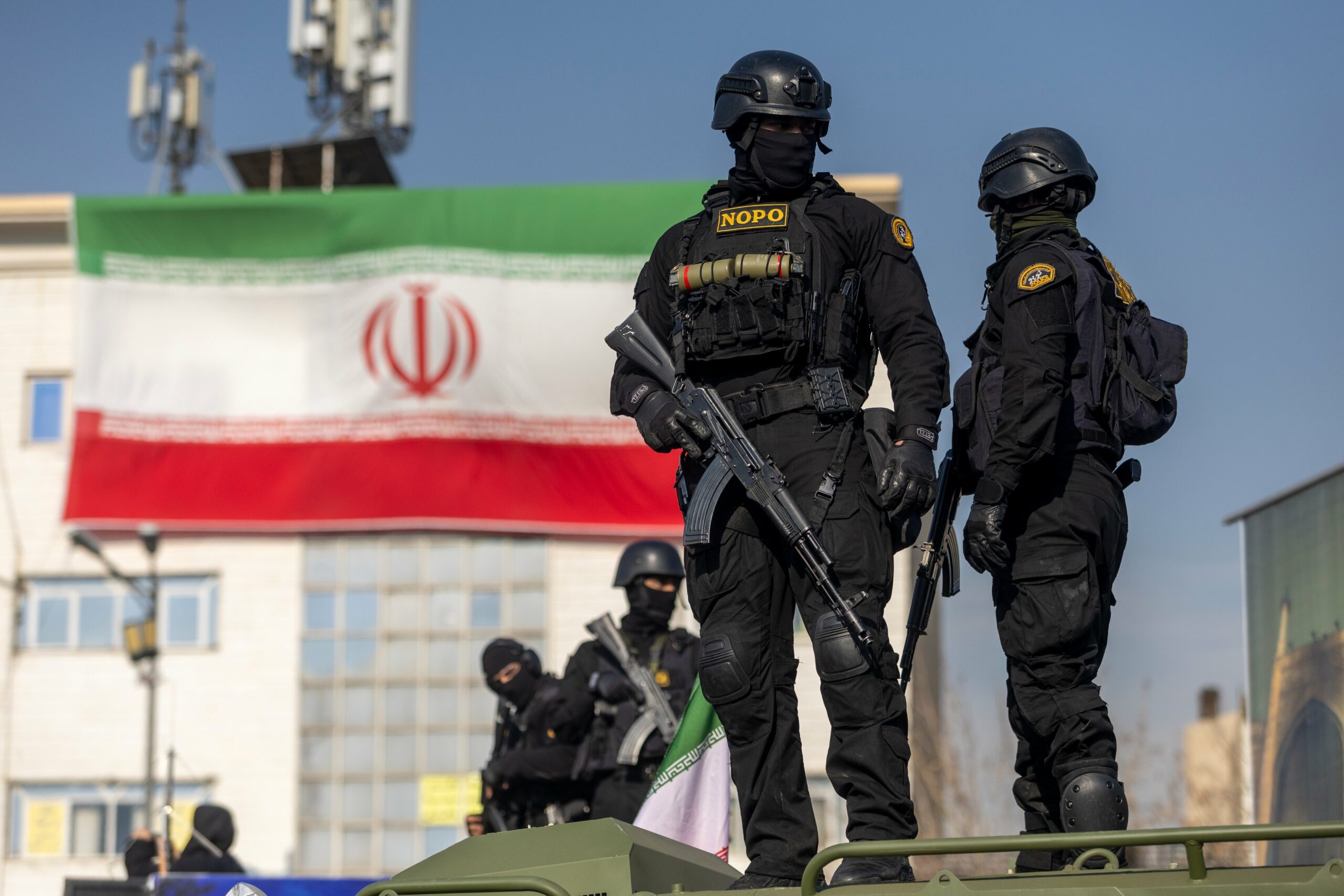
Iran is at a critical crossroads. Nationwide protests that began over economic grievances more than two weeks ago have ballooned into a significant challenge to the Islamic Republic’s leadership. In response, US President Donald Trump announced a sweeping 25% tariff on any country trading with Iran, signaling that economic pressure could escalate alongside threats of military action.
The protests have already claimed at least 646 lives, according to rights group HRANA, including protesters, security forces, and bystanders, with more than 10,000 people reportedly arrested. The Iranian government’s response has included a nationwide internet blackout, now exceeding 108 hours, making it difficult for both domestic and international observers to verify reports of the crackdown.
Trump ramps up pressure
Trump, briefed by senior officials on Monday, considered multiple options, including military strikes, cyber operations, and psychological measures to influence the situation in Iran, CBS News reported. His social media announcement of the new tariffs warned trading partners of consequences for doing business with Tehran, though he did not provide specifics about which countries or what legal authority he would invoke.
Iran’s largest trading partners, including China, India, Turkey, and the UAE, could feel immediate economic effects, with ripple effects already seen in markets such as Indian basmati rice exports and global silver prices. Analysts warn that oil prices have risen amid fears of disruption to Iranian supply, with Brent crude hovering near two-month highs.
Tehran signals defiance
Iranian officials have adopted a posture of “prepared for war but open to talks”, blending defiance with diplomatic overtures. Foreign Minister Abbas Araghchi emphasized that Iran is ready for negotiations, but they must be fair and based on mutual respect. Despite the lack of formal diplomatic relations, a communication channel remains open between Araghchi and Trump’s special envoy, Steve Witkoff, facilitated by the Swiss embassy.
Supreme Leader Ayatollah Ali Khamenei framed the situation as a “foreign-backed” challenge, while Parliament Speaker Mohammad Bagher Ghalibaf described it as a “four-front war” economic, psychological, military, and against internal “terrorists,” referring to protesters. State media highlighted pro-government rallies and funerals for security personnel killed during the unrest, portraying nationwide support for Tehran’s stance.
Human impact and global attention
The protests are being fueled by decades of systemic restrictions on women and girls, highlighted by Nobel laureate Malala Yousafzai, who called the demonstrations part of a broader struggle for dignity and freedom in Iran.
Social media posts and diaspora demonstrations, including in London, feature pre-revolutionary Iranian flags alongside US and Israeli flags, reflecting both solidarity and international concern. Meanwhile, the European Union and France have signaled support for the protesters, considering additional sanctions and protective measures for diplomatic personnel.
Disruptions ripple across trade and travel
Civil unrest has disrupted trade and travel:
-
India’s basmati rice exports to Iran have slowed sharply.
-
Lufthansa and Austrian Airlines delayed flights to Tehran, citing safety concerns.
-
Financial markets are reacting, with silver prices surging and the Indian rupee weakening against the dollar.
China, Iran’s largest trade partner, has denounced Trump’s tariff threat, warning against unilateral sanctions and long-arm jurisdiction, while Russia condemned perceived foreign interference in Iranian affairs.
The stakes
Iran’s protests represent more than an internal political crisis. They touch on global trade, energy markets, regional security, and human rights. The combination of US economic pressure, domestic unrest, and Tehran’s defiant posture has created a volatile situation where every move could have international consequences.
As Iran continues its crackdown and Trump evaluates options ranging from tariffs to military measures, the world watches, uncertain whether diplomacy, escalation, or civil unrest will define the next chapter in this Middle East flashpoint.
{Source: Hindustan Times}
Follow Joburg ETC on Facebook, Twitter , TikTok and Instagram
For more News in Johannesburg, visit joburgetc.com