News
Johannesburg unveils R14 million electric vehicle charging hub to power green future
Johannesburg unveils R14 million electric vehicle charging hub to power green future
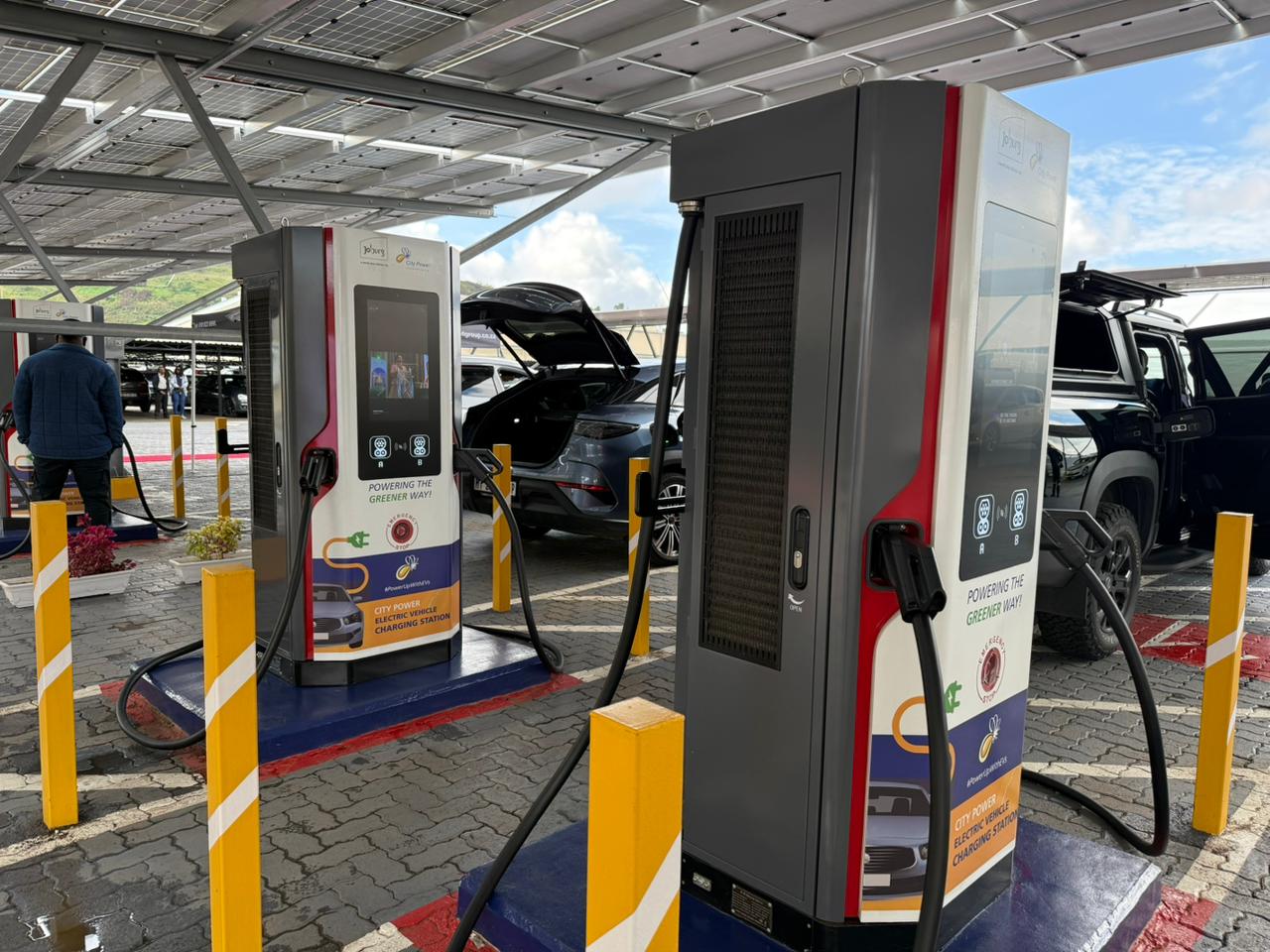
Johannesburg is taking a bold step towards a greener, more energy-efficient future. Earlier this week, Mayor Dada Morero, alongside City Power officials, unveiled a multi-station electric vehicle (EV) charging hub at the Booysens depot, the first phase of a city-wide rollout aimed at modernising the municipal fleet and encouraging residents to embrace electric mobility.
Phase one costs R14 million, with long-term savings in sight
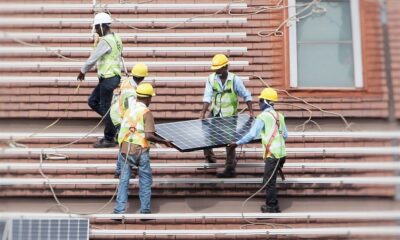
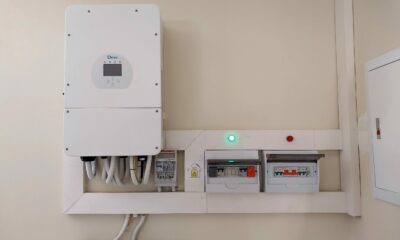
While City Power initially kept the figures under wraps, it has now been revealed that phase one of the EV charging project cost R14 million. This budget covers everything from the supply and commissioning of the charging stations to 250 kW solar PV panels and 600 kWh of battery storage.
It also includes software for managing the EV charging platform, steelwork and facilities infrastructure, 1 MVA electrical connections, and labour and training for staff.
Mayor Morero emphasised that this investment is about more than technology it’s about saving costs, cutting emissions, and modernising Johannesburg’s energy landscape.
“Through the transition to electric vehicles, City Power can realise cost savings of up to R29.7 million per year under a leasing model, and up to R49.3 million annually if vehicles are purchased outright and amortised over five years,” he explained.
Additionally, the shift to electric vehicles is projected to cut the city’s carbon emissions by 52 000 tons, making the air cleaner for residents and demonstrating tangible environmental benefits.
From depots to communities: expanding the EV network
The Booysens hub is just the beginning. City Power plans to roll out EV charging stations at all its depots and eventually expand into public spaces, including communities and townships. The goal is clear: broader EV adoption across Johannesburg, not just for municipal use but for residents and businesses as well.
“This is about building a smart, future-ready Johannesburg,” Morero said. “Solar microgrids in informal settlements, solar street lighting, rooftop solar on public facilities, revived gas turbines for emergencies, and growing investments in battery storage all of these initiatives are part of the city’s energy-secure roadmap.”
Electric vehicles in South Africa: a market on the rise
While EV adoption in South Africa has been slow, there are signs of acceleration. According to Naamsa, 16 716 fully electric or hybrid vehicles were sold in 2025, a significant increase from just a few thousand units in previous years.
A report by GreenCape highlighted that the government is pushing incentives for electric vehicle investment. Starting 1 March 2026, producers can claim 150% of qualifying investment in electric and hydrogen vehicles under the Automotive Production Development Programme, adding R964 million in medium-term support to grow the market.
Public response: cautious optimism
Social media reactions to the new charging hub have been largely positive. Residents and local businesses welcomed the initiative, seeing it as a sign that Johannesburg is serious about sustainability and the green economy. Some commentators highlighted the hub’s potential to make EV ownership more accessible to historically neglected areas.
“Finally, a move that balances environmental responsibility with practical cost savings,” one Twitter user noted. “If expanded into townships, this could change the way ordinary Joburgers think about transport.”
Driving towards a smart city future
City Power’s EV hub isn’t just an infrastructure project it’s a statement. It signals Johannesburg’s commitment to smart city ambitions, clean energy, and economic transformation. By reducing reliance on fossil fuels, cutting municipal fleet costs, and encouraging private EV adoption, the city aims to create a future-ready transport ecosystem.
For residents, businesses, and visitors, the Booysens hub is a glimpse of a more sustainable Johannesburg one where cleaner air, modern infrastructure, and energy efficiency go hand in hand.
{Source: The Citizen}
Follow Joburg ETC on Facebook, Twitter , TikTok and Instagram
For more News in Johannesburg, visit joburgetc.com