News
Iran unrest drags South Africa into a foreign policy reckoning
As images and reports from Iran continue to circulate online, the political pressure is no longer confined to Tehran. It has reached Pretoria.
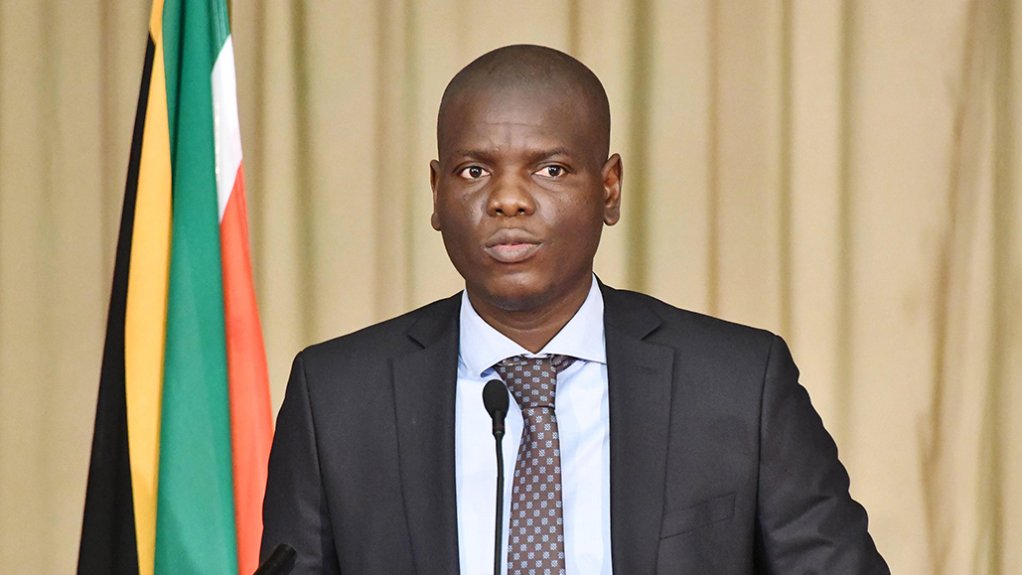
The Democratic Alliance has formally urged International Relations Minister Ronald Lamola to take Iran to the United Nations Human Rights Council following the deaths of nearly 3,000 people during a sweeping crackdown on anti-government protests.
What began as demonstrations over soaring living costs has escalated rapidly. Protesters are now openly calling for an end to the clerical rule of Iran’s Supreme Leader, Ayatollah Ali Khamenei. The scale and intensity of the unrest mark one of the most serious challenges to Iran’s leadership since the 1979 Islamic Revolution.
A crackdown watched around the world
Iranian authorities have claimed they are regaining control after days of nationwide protests. Khamenei has publicly insisted that the Islamic Republic will not retreat in the face of what he describes as unrest driven by outside forces.
According to figures cited by the DA, thousands have died as security forces moved to suppress demonstrations with deadly force. The deaths have fuelled growing international concern, with renewed calls for governments to take a firmer stance against Tehran.
Why South Africa is being drawn in
In a letter addressed to Lamola, DA international relations spokesperson Ryan Smith argues that South Africa has a moral and constitutional obligation to act. He describes the violence in Iran as one of the most extreme examples of state oppression against civilians seen anywhere in the world.
Smith’s argument goes beyond distant diplomacy. He draws a direct line between Iran’s crackdown and South Africa’s own history of brutal responses to peaceful protest, from Sharpeville in 1960 to Soweto in 1976. For many South Africans, those parallels carry emotional weight and shape expectations of how the country should behave on the global stage.
Iran’s recent admission into the expanded BRICS+ bloc adds another layer of complexity. South Africa’s ruling party has maintained close ties with Tehran, a relationship that critics say sits uneasily with the values enshrined in the country’s Constitution.
Warships, alliances, and political cost
The debate has intensified further with the presence of Iranian warships off False Bay in Cape Town during joint naval exercises. Defence analyst Helmoed Römer Heitman has warned that such visible cooperation risks damaging South Africa’s relationships with key trading partners in Europe and the United States.
The developments have intensified debate in South Africa about how the country balances human rights concerns with strategic alliances.
A test of principle for the GNU
Smith has framed the issue as a defining moment for South Africa’s Government of National Unity. He insists that silence in the face of mass civilian deaths is incompatible with the country’s democratic foundations and the sacrifices that secured them.
The call for Lamola to report Iran to the UN Human Rights Council is therefore about more than one crisis. It is a test of whether South Africa is willing to use its voice internationally when confronted with abuses that mirror its own painful past.
As the situation in Iran continues to unfold, Pretoria’s response will be closely watched, both at home and abroad.
Follow Joburg ETC on Facebook, Twitter, TikT
For more News in Johannesburg, visit joburgetc.com
Source: The Citizen
Featured Image: Polity.org.za