News
Louvre Entry Fees Rise For South Africans As Paris Adopts Dual Pricing
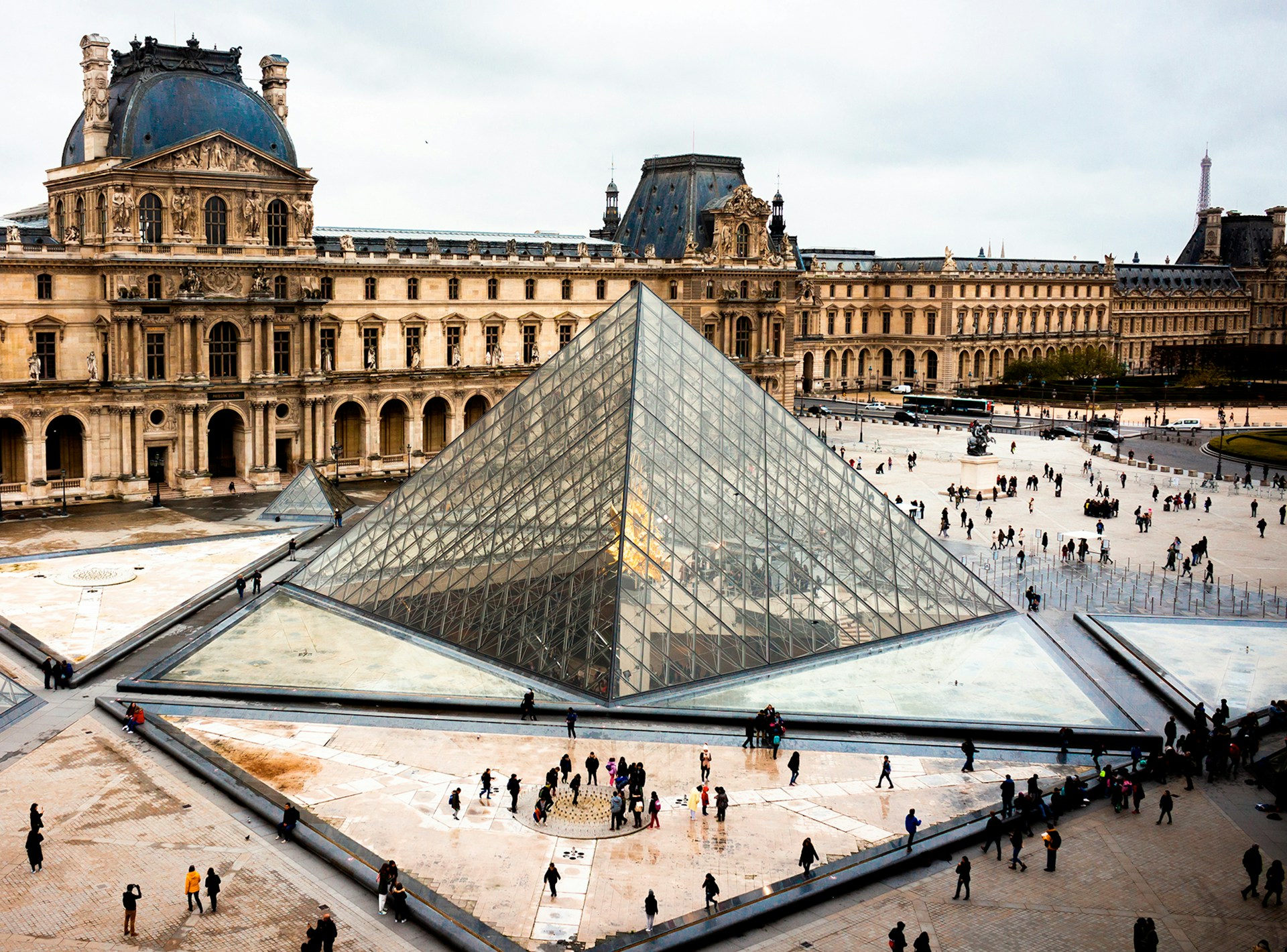
Louvre Raises Entry Fees For South Africans And Other Non-EU Visitors
South Africans planning a Paris trip in 2026 will need to budget a little extra if the Louvre is on their must-see list. France has officially introduced higher entry fees for visitors from outside the European Union, meaning South Africans now pay significantly more to walk through the doors of the world’s most visited museum.
From this week, non-EU tourists are charged €32, roughly R612 at current exchange rates, which is about 45 percent more than what European visitors pay.
The decision marks one of Europe’s clearest moves toward dual pricing at major cultural institutions and it is already sparking debate.
Why France Is Charging More
French authorities say the increase is about survival, not exclusion.
The Louvre, home to around 500 000 artworks including the Mona Lisa, is facing mounting repair costs and operational strain. Officials estimate the new pricing structure could generate between €20 million and €30 million annually to fund renovations and maintenance at the historic Paris landmark.
Other state-run cultural attractions in France are following suit, including the Palace of Versailles, Chambord Castle in the Loire Valley and the Paris Opera.
For a country balancing cultural preservation with tight public finances, charging wealthier foreign tourists more has been framed as a practical solution.
Mixed Reactions From Visitors
Reactions on the ground and online have been divided.
Some international tourists argue that paying more is understandable. One Australian visitor told AFP that similar pricing already exists at major attractions across Italy and Malta and felt the Louvre still offered good value given its global status.
Others are less convinced. A South Korean tourist described the price gap as unfair, saying culture should be equally accessible to everyone. A Brazilian visitor added that while higher prices make sense in developing countries where locals earn far less, it feels harder to justify in a wealthy European capital.
On social media, many South African travellers echoed the concern, pointing out that the rand’s weakness already makes European travel expensive. For some, the added cost feels like another barrier to accessing global heritage.
Pushback From Louvre Staff And Academics
Inside France, criticism has been even sharper.
Trade unions at the Louvre have condemned the policy as socially and philosophically wrong, arguing that art belongs to humanity, not just those who can afford higher prices. They also raised practical concerns, noting that staff will now be expected to check visitors’ identity documents, potentially slowing queues and increasing tension.
French academic Patrick Poncet compared the move to nationalist tourism policies elsewhere, drawing parallels with recent fee hikes at United States national parks under President Donald Trump. Writing in Le Monde, he warned that the policy reflects a broader global shift toward inward-looking cultural economics.
How This Affects South African Travellers
For South Africans, the timing stings.
With visa fees, flights, accommodation and daily expenses already pushing European travel out of reach for many, an extra R600 for a single museum visit forces tough choices. Families and students may find themselves skipping iconic sites or limiting cultural experiences to free days and smaller galleries.
The Louvre remains free for children under 18 from all countries and for Europeans under 26, but adult South Africans no longer qualify for discounted access.
Is Paying R612 Worth It
That depends on what you value.
The Louvre is not just a museum, it is a symbol of world history, art and power, housing treasures from Africa, the Middle East and Asia alongside European masterpieces. For first-time visitors, many argue the experience still justifies the cost.
For repeat travellers or budget-conscious South Africans, the price hike may prompt a rethink. Paris offers plenty of alternatives, from free museums and neighbourhood galleries to historic walks that cost nothing at all.
What is clear is that Europe’s approach to cultural access is changing. Whether the Louvre’s decision sets a wider precedent remains to be seen, but for now, South Africans will be paying more to see one of the world’s greatest collections under one roof at the Louvre Museum.
{Source:The South African}
Follow Joburg ETC on Facebook, Twitter , TikTok and Instagram
For more News in Johannesburg, visit joburgetc.com