News
Madlanga Commission Only a Third Complete: What to Expect in 2026
Only the beginning: Phase one recap
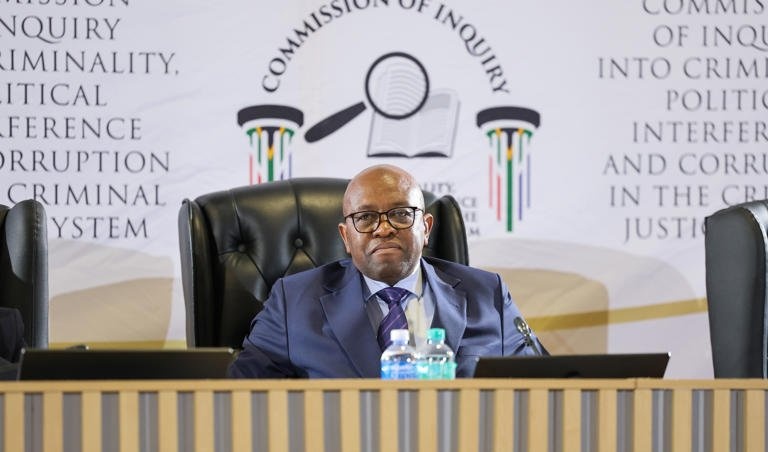
The Madlanga Commission of Inquiry, set up to probe allegations of corruption and interference in South Africa’s security structures, is far from done. Phase one wrapped up in December 2025, establishing the factual groundwork of Lieutenant-General Nhlanhla Mkhwanazi’s explosive claims, but the inquiry is still only a third of the way through its work.
Mkhwanazi, the former head of the KwaZulu-Natal Police Commission, sent shockwaves through the country when he alleged interference in the KZN political killings task team and corruption at senior levels of law enforcement and state institutions. His testimony, along with evidence from supporting witnesses, formed the foundation of phase one, which was mostly about presenting claims rather than scrutinising them.
What’s next: Phase two and responses
The commission is set to resume on 26 January 2026, when phase two will begin. Unlike phase one, this stage gives those implicated by Mkhwanazi the chance to respond to allegations made against them.
Commission spokesperson Jeremy Michaels explained that phase two will not only allow for rebuttals but could also include new allegations. “Any matters falling under the commission’s terms of reference can be revisited,” Michaels said, signalling that no stone will be left unturned.
Phase two has no fixed end date, reflecting the complexity of the inquiry and the number of witnesses expected over the coming months.
Phase three: Testing the evidence
Phase three will bring the most intense scrutiny. Witnesses, including Mkhwanazi, will face rigorous questioning and cross-examination. This is the phase where the commission aims to separate fact from speculation, ensuring that allegations are thoroughly tested before any conclusions are drawn.
Michaels confirmed that additional hearings could address matters that arise during the process but don’t fit neatly into the three phases, highlighting the flexible and thorough nature of the commission’s work.
The broader mandate
The Madlanga Commission’s mandate goes beyond just political killings in KZN. It has the authority to investigate corruption, maladministration, and misconduct across multiple state institutions, including:
-
South African Police Service (SAPS)
-
State Security Agency (SSA)
-
National Prosecuting Authority (NPA)
-
Metropolitan police services in Ekurhuleni, Johannesburg, and Tshwane
This broad scope reflects the commission’s aim to tackle systemic issues in law enforcement and state security, which have long been a source of public concern.
Public and political eyes remain fixed
Mkhwanazi’s allegations have already stirred debate on social media and in political circles, with many calling for urgent reforms in policing and state security. The continuation of the commission is being closely watched, with South Africans eager to see accountability, transparency, and systemic change emerge from the process.
As the inquiry resumes, the message from the commission is clear: what has been heard so far is only the beginning, and the next few months will be critical in determining how seriously South Africa addresses the claims of interference and corruption that have shaken public trust.
{Source: The Citizen}
Follow Joburg ETC on Facebook, Twitter , TikTok and Instagram
For more News in Johannesburg, visit joburgetc.com