News
Masemola returns to lead SAPS after charges withdrawn

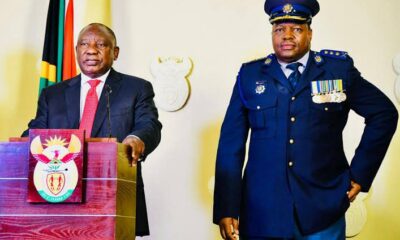
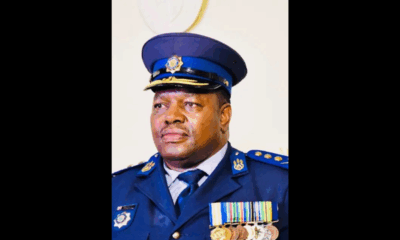
National Police Commissioner Fannie Masemola is set to resume his duties on Monday, 19 October, after President Cyril Ramaphosa lifted his precautionary suspension following the withdrawal of criminal charges against him.
The Presidency announced the decision on Friday, 16 October, bringing a six-month period away from the top police post to an end. The move comes as South Africa’s police service faces mounting pressure to tackle corruption, strengthen accountability and rebuild public confidence.
According to the official statement from the Presidency, the National Director of Public Prosecutions instructed that the charges be withdrawn on 15 September. The Pretoria Magistrates’ Court formally withdrew them on 22 September.
Masemola’s suspension began in April after he appeared in court on charges relating to alleged contraventions of the Public Finance Management Act (PFMA). The case was linked to a controversial SAPS healthcare services tender.
Masemola to meet senior police leadership
As reported by journalist Yusuf Abramjee on X, Masemola is scheduled to meet provincial commissioners, deputy national commissioners and divisional commissioners at the Tshwane Academy as he returns to office.
His return comes at a critical time for the police service, with the ongoing Madlanga Commission examining allegations of criminal infiltration and corruption within the criminal justice system.
The reinstatement also places renewed attention on the leadership’s responsibility to address misconduct within its ranks. Parliament’s Police Portfolio Committee chairperson Ian Cameron has said the service must confront declining performance, leadership vacancies and a deficit in public trust, according to SABC News.
The Presidency also acknowledged Lieutenant-General Puleng Dimpane, who served as acting national commissioner during Masemola’s suspension.
With Masemola returning to the country’s highest police leadership position, the focus will now be on how SAPS responds to the challenges facing the service and delivers on its responsibility to protect the public.