News
Masemola returns to lead SAPS: ‘I’m not here for revenge’
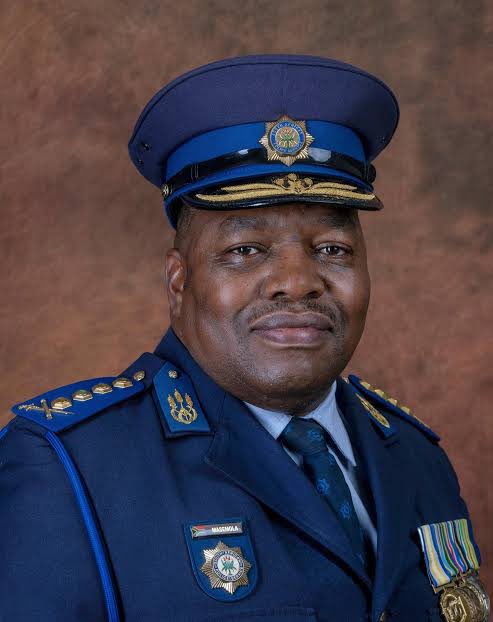
National Police Commissioner Fannie Masemola resumed duty on 19 Oct after charges were withdrawn; he urged SAPS unity and pledged to rebuild frontline policing.
First day back: a call for unity and service
Masemola used his opening address to urge senior SAPS managers to move beyond recent turbulence and put service delivery first.
“I return ready to work with all of you. I’m not here for revenge.”
He repeatedly framed his return as an opportunity to repair morale and to refocus leadership on the organisation’s constitutional mandate rather than personal disputes.
What he asked of SAPS leaders
On his return Masemola set out practical priorities for the organisation, emphasising that leadership must prioritise the public’s needs over internal conflict. He named several focal areas:
- Rebuilding the organisation and restoring stability within senior ranks;
- Strengthening frontline policing so stations and officers are better able to respond to communities;
- Better allocation of resources to target critical operational needs;
- Recruiting new officers to improve capacity on the ground; and
- Ensuring police stations are responsive to the communities they serve.
He emphasised that unity does not require uniformity, but rather the ability to resolve disagreements constructively while keeping the public interest central.
Legal timeline and return to duty
Masemola had been placed on precautionary suspension in April 2026 after appearing in the Pretoria Magistrate’s Court on allegations of contravening the Public Finance Management Act related to a SAPS health-services tender. The legal proceedings shifted in September when the National Directorate of Public Prosecutions instructed that the charges be withdrawn on 15 September, and the Pretoria Magistrate’s Court formalised the withdrawal on 22 September.
The Presidency confirmed on 16 October that Masemola would resume full duties on 19 October, and SAPS said he would meet provincial commissioners, deputy national commissioners and divisional commissioners at the Tshwane Academy on his return.
Handover and leadership continuity
During Masemola’s absence, Lieutenant-General Puleng Dimpane served as acting national commissioner. Masemola was due to receive a handover report from Dimpane as part of the transition back into office. SAPS also noted Masemola’s planned meetings with senior leadership on his first day.
Addressing credibility, inquiries and reforms
Masemola acknowledged the significance of the recent period for SAPS and accepted that the organisation must learn lessons. He said the past could not be erased but cautioned against allowing it to distract from the work ahead.
“What has happened has happened. I will not allow the past to distract us from moving forward.”
He rejected suggestions that his return was about settling scores, and said established processes exist within the service to handle disputes and misconduct. He also told reporters that the legal process had been public and that he did not believe he owed additional explanations beyond what had already occurred publicly.
Scrutiny and external recommendations
Masemola’s return comes at a time when SAPS remains under broader scrutiny. The organisation faces calls for improved integrity and accountability within senior ranks and is set to consider recommendations emerging from recent inquiries, including the forthcoming findings of the Madlanga Commission. Masemola said he would study and implement relevant recommendations where they strengthen transparency and accountability.
Putting policing and public experience first
Throughout his remarks Masemola reiterated that the primary measure of success for SAPS is the lived experience of the public at police stations and in communities that need immediate assistance.
“Our most important measure of success is the experience of the public at a police station and in communities where they need immediate assistance.”
He also acknowledged resource constraints but said that available resources must be directed strategically to where they are most needed.
Why the return matters
For the police service, restoring stable leadership is a step toward rebuilding morale and refocusing operational priorities. For the public, constructive change within SAPSif pursued as Masemola outlinedwould mean more consistent frontline policing and clearer accountability in how leadership decisions affect everyday policing.
In broad terms, moving from internal conflict to a concentrated effort on service delivery is a common challenge for large public organisations. It typically requires clear priorities, transparent decisions about resource use, and sustained engagement between leadership and the communities they serve. Masemola’s opening-day agenda pointed to those same elements: unity of purpose among senior ranks, attention to frontline capacity, and a stated commitment to implement inquiry recommendations that bolster accountability.
What to watch next
In the coming days SAPS leadership meetings at the Tshwane Academy and the handover report from the acting commissioner will indicate how quickly Masemola can translate his stated priorities into operational plans. Progress on implementing recommendations from recent inquiries and visible changes at police stations will likely shape public perception of the organisation’s direction.
For now, Masemola’s return signals a shift from a period of legal and internal contestation back to an emphasis on leadership, service delivery and rebuilding public confidence in the police service.
Follow Joburg ETC on Facebook, Twitter, TikTok and Instagram
For more News in Johannesburg, visit joburgetc.com
Source: citizen.co.za