News
Mbeki to testify at Khampepe Commission as AfriForum seeks Gerrie Nel cross‑examination
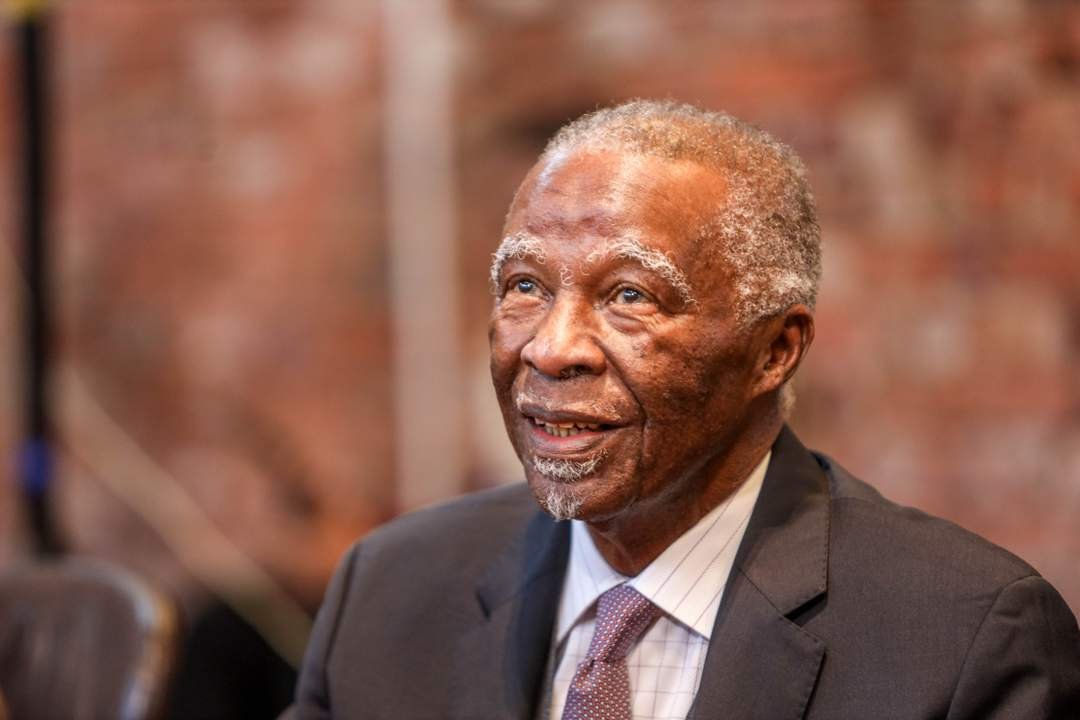
Thabo Mbeki will testify at the Khampepe Commission as AfriForum seeks permission for advocate Gerrie Nel to cross‑examine him over alleged interference in apartheid-era prosecutions.
What AfriForum has asked the commission to allow
AfriForum chief executive Kallie Kriel said the organisation submitted a formal request seeking permission for Mr Nel, who heads AfriForum’s Private Prosecution Unit, to cross-examine Mr Mbeki. The organisation told the commission it wants Mr Nel to question Mr Mbeki about alleged political interference that, it says, aimed to prevent prosecutions of senior leaders.
AfriForum’s application links that alleged interference to specific historical incidents. Kriel said the cross-examination would concern allegations that attempts were made to stop prosecutions related to the murder of Kobie van Eck and her two children, Nelmarie and Nasie, in an ANC landmine attack near Musina on 15 December 1985.
Claims and the organisation’s history with the matter
Kriel said AfriForum’s involvement stretches back to a 2007 request by the late Dirk van Eck, who raised concerns about the principle of equality before the law if prosecutions were pursued against former security force members but not against ANC leaders. AfriForum also points to Mr Mbeki’s affidavit filed with the commission and argues that it aligns with findings in the TRC’s final report about the ANC’s responsibility for a range of human rights violations.
“Mbeki’s admission aligns with the TRC’s finding in its final report that the ANC is responsible for a series of gross human rights violations resulting from bomb attacks on public buildings, restaurants, hotels and bars, as well as a landmine campaign.”
Kriel further said that, in his view and that of Dirk van Eck, it would be inconsistent with equality before the law for members of the security forces to face prosecution while leaders of the ANC were not pursued in relation to Operation Cetshwayo, the landmine campaign referenced in AfriForum’s submissions. In his remarks to the commission, Kriel attributed to the TRC and to the matter’s history a catalogue of violent incidents and fatalities; he characterised the conduct of the ANC and its allies in terms used in his submissions and cited approximate figures for killings and other attacks.
What the commission is looking into
The Khampepe Commission is tasked with probing allegations that deliberate efforts were made to obstruct the investigation and prosecution of apartheid-era crimes that did not receive amnesty through the TRC process. According to the commission’s mandate as reflected in public statements, it is examining whether decisions at political level affected the progress of investigations and prosecutions originating from TRC referrals.
The commission has said it will examine what Mr Mbeki knew, what discussions took place at political level and whether any such discussions influenced the course of criminal investigations or prosecutions.
Other expected appearances and the commission’s term
Former president Jacob Zuma is also expected to appear before the commission later this week, although the commission has indicated that his testimony is subject to his health following a recent hospitalisation.
President Cyril Ramaphosa established the Khampepe Commission and in May 2026 extended its term to allow more time to complete the probe; the extension runs until 18 December 2026, a decision the Presidency said was intended to give the commission additional time to finish its work into alleged attempts to prevent investigations and prosecutions of apartheid-era crimes.
Why the cross-examination request matters
Requests to cross-examine a witness at a public inquiry are significant because they shape the evidence the commission hears and how allegations are tested. AfriForum’s application, if granted, would allow an advocate associated with private prosecutions to directly challenge Mr Mbeki’s account and to press on points raised in AfriForum’s submissions and Mr Mbeki’s affidavit.
Cross-examination in inquiries is a procedural tool that can bring detail to light by probing inconsistencies, clarifying timelines and testing claims. How the commission responds to AfriForum’s request will influence the scope of public scrutiny during Mr Mbeki’s testimony and could affect how the commission assesses the evidence it receives.
What happens next
Mr Mbeki is scheduled to appear on Monday and Tuesday to give evidence to the commission. The commission will decide on applications such as AfriForum’s as part of its process for hearing evidence and determining which participants may question witnesses.
The commission’s hearings are part of a wider effort to trace what happened to apartheid-era cases referred for prosecution after the TRC completed its work, and to determine whether political decisions influenced whether those prosecutions proceeded. How the commission resolves applications for cross-examination and how it evaluates testimony from former state leaders will be central to its final findings.
Follow Joburg ETC on Facebook, Twitter, TikTok and Instagram
For more News in Johannesburg, visit joburgetc.com
Source: citizen.co.za