Parliamentarians heard that a gap in legislation and a lack of clear intersecting responsibilities to relevant departments are reasons for the delay in the country’s Menstrual Health Rights Bill.
This was revealed during the Portfolio Committee on Higher Education and Training’s colloquium held at Parliament on Wednesday, which addressed access to menstrual hygiene products in South Africa.
The Problem
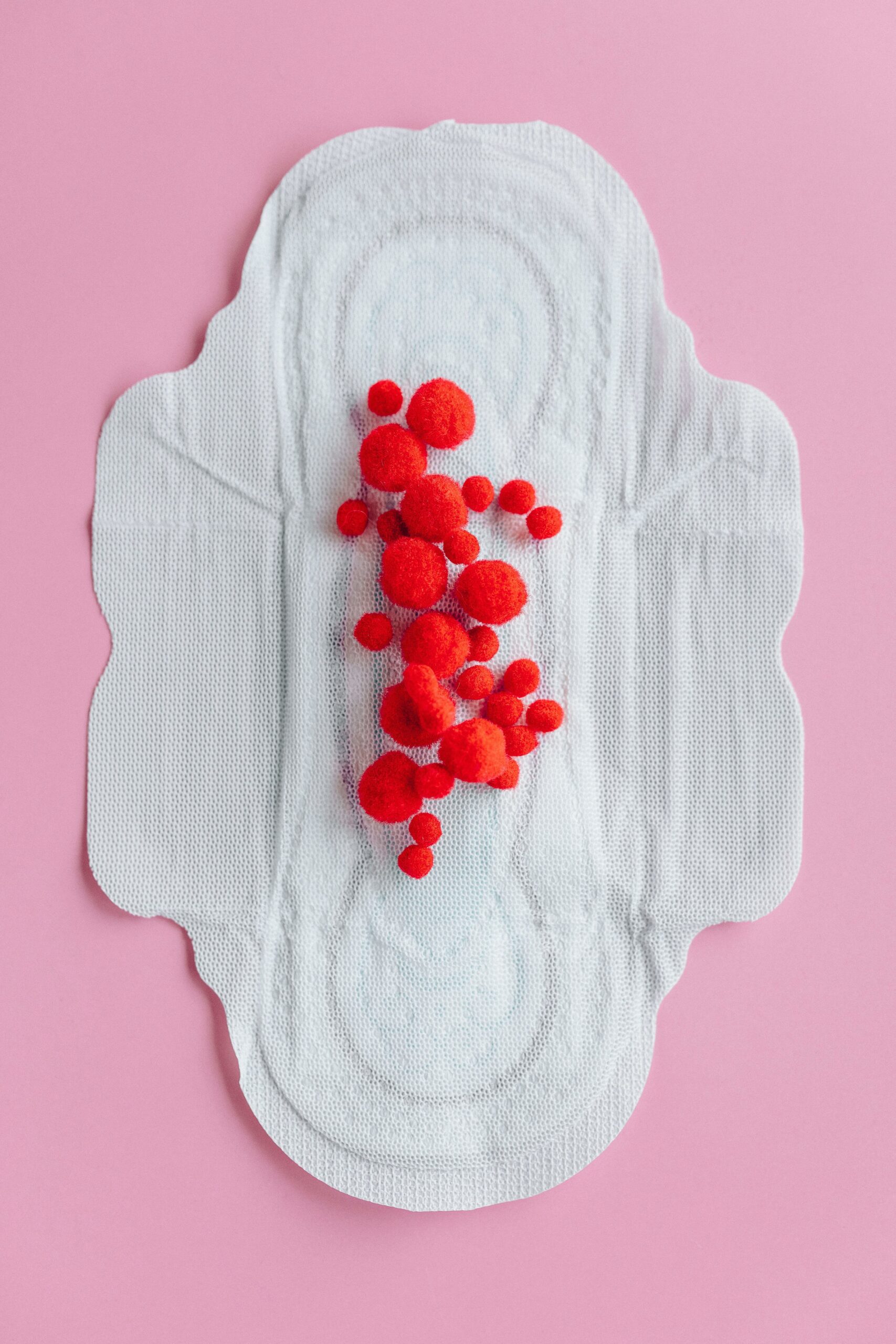
The committee explained that menstrual health is an essential component of public health, gender equality, and human rights. Yet millions of girls and women globally and in South Africa continue to face barriers in accessing menstrual hygiene products, safe sanitation, and accurate menstrual health education.
Despite progressive policy developments such as the removal of VAT on menstrual products and the development of the Sanitary Dignity Implementation Framework (SDIF), many women and girls still cannot afford or access menstrual products.
The Challenge
Parliamentarians heard that the challenge lies in there not being a single department, and clear legislation, spearheading menstrual health and hygiene. It touches on several departmentsfrom DWYPD to the Department of Health and the Department of Water and Sanitation.
The Call
Nokuzola Ndwandwe , Menstrual Health Rights Activist, said that the absence of a Menstrual Health Act undermines the state’s constitutional and international obligations.
“It is time to legislate dignity.”
Ndwandwe said the intention was to pressure the Department of Women, Youth, and Persons with Disabilities (DWYPD) to champion the Bill through a private member’s bill.
A fellow organisation, I_Menstruate Movement , also shared stories from high school learners who miss school due to the lack of menstrual hygiene products.
The Government’s Response
Dr. Nomusa Dube-Ncube , Deputy Minister of Higher Education and Training, said they are working towards establishing clear guidelines to ensure a consistent approach to sanitary dignity across all Post-School Education and Training (PSET) institutions.
Sesi Mahlobogoane , from DHET’s Social Inclusion and Equity Directorate, explained that NSFAS does not have a separate stipend for sanitary products aimed only at women. “Instead, the personal care allowance is standardised and applies to all eligible students.”
She highlighted the need for a more sustainable, coordinated, and adequately funded national approach.
The Committee’s Commitment
Tebogo Letsie , the Committee’s chairperson, described the initiative as “revolutionary” and acknowledged there will be challenges, including the familiar refrain of “no funding.”
He added that they will write a report from the day’s proceedings and send it to Thoko Didiza , the Speaker of the National Assembly.
The Bottom Line
No single department. No clear legislation. Millions of girls missing school. And a call to legislate dignity.
The Menstrual Health Rights Bill is not yet law. But the pressure is building.