
News
Inside the UK prison hunger strike pushing pro-Palestine activists to the brink
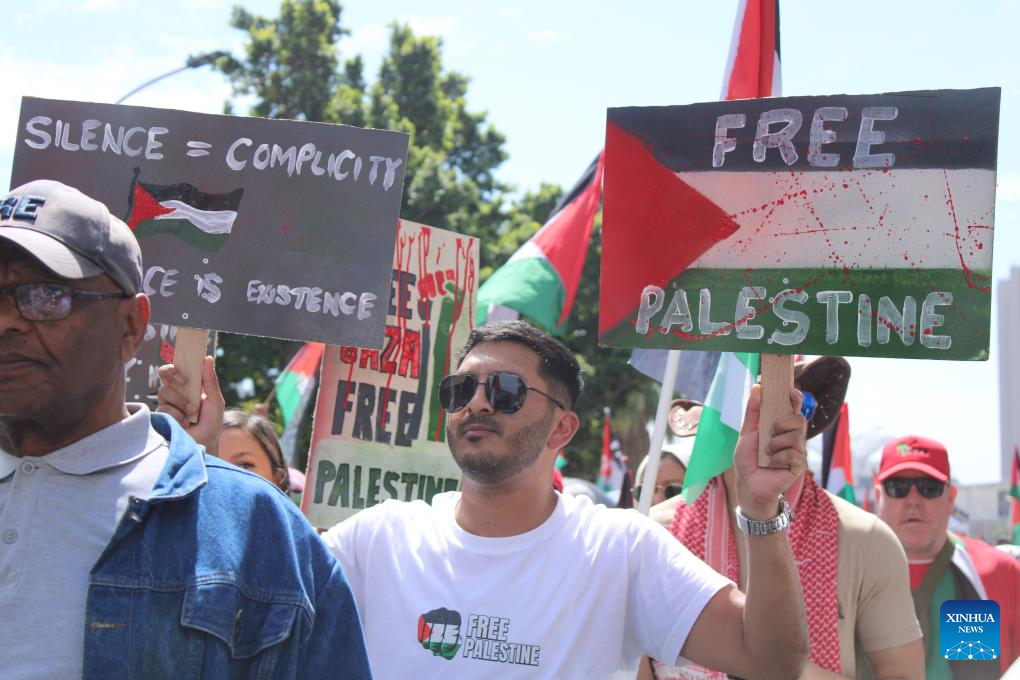
Why Palestine Action hunger strikers are close to death in UK prisons
In the depths of a British winter, a quiet crisis has been unfolding behind prison walls. It is not marked by riots or court drama, but by silence, weight loss, and bodies slowly failing. A group of pro-Palestine activists linked to Palestine Action have been refusing food for months, pushing themselves to the edge of survival to protest what they describe as indefinite detention and the criminalisation of political solidarity.
Despite being the largest coordinated prison hunger strike the UK has seen in more than forty years, the protest has barely broken through into mainstream national coverage. For supporters, that absence is not accidental. It is part of the story.
How a protest ended up inside prison walls
The hunger strike grew out of a sweeping state crackdown in mid-2025, when the UK government formally classified Palestine Action as a terrorist organisation under the Terrorism Act 2000. The decision transformed everyday political expression into potential criminal liability. Holding a sign, chanting a slogan, or expressing public support for the group suddenly carried the risk of arrest and long prison sentences.
Almost overnight, police action escalated across Britain. Demonstrators were detained for their placards and chants. Elderly protesters were arrested. Artists saw performances and exhibitions cancelled after declaring solidarity with Palestinians. Civil liberties groups warned that the net was being cast dangerously wide, especially as the United Nations cited genocide in Gaza and global protest intensified.
Amnesty International and United Nations human rights experts criticised the move as disproportionate, arguing that terrorism legislation was being used to police protest and political speech rather than prevent violence. For many activists, the line between national security and dissent had blurred beyond recognition.
Who is still refusing food
Against this backdrop, a group of detainees turned to hunger striking as a last resort. Most of the original seven participants ended their strikes by early January, but three have continued, despite mounting medical danger.
Heba Muraisi, 31, has been on a full hunger strike for more than seventy days at New Hall Prison. Arrested over alleged involvement in a protest at an Israeli military contractor facility, she has been in custody since June 2025. Reports from supporters say she is experiencing severe breathing problems and muscle spasms.
Kamran Ahmed, 28, has refused food for more than sixty-three days at Pentonville Prison. He has reportedly been hospitalised multiple times for heart complications and has lost around sixteen kilograms.
Lewie Chiaramello has been fasting intermittently due to living with Type 1 diabetes, while Umar Khalid, 22, is reported to be restarting his hunger strike in early 2026.
Detention without trial and the breaking point
The hunger strike began on 2 November 2025, deliberately chosen to coincide with the anniversary of the Balfour Declaration. Supporters argue this was a symbolic reminder of Britain’s historical role in Palestine, now colliding with modern protest laws.
All current hunger strikers have spent extended periods in pre-trial detention. In some cases, this reportedly exceeds eighteen months without trial, far beyond what is typically expected under UK custody norms. Campaigners say the process itself has become punishment, with prolonged uncertainty and restrictive prison conditions wearing detainees down.
Their demands are direct. Bail and timely trials. An end to the terrorist organisation designation. Relief from prison communication restrictions. Closure of Elbit’s UK facilities.
When starvation becomes a medical emergency
By December 2025, doctors monitoring the strike warned it had entered a critical phase. Prolonged refusal of food was causing rapid physical decline. Hospital admissions increased. Symptoms worsened. Breathing difficulties, neurological strain, and the risk of sudden collapse were flagged as immediate dangers.
Medical ethics experts have raised concerns about the state’s responsibility once a prisoner’s health reaches this stage. Hunger strikes place governments in a moral bind. Force-feeding is widely condemned, but allowing preventable death inside state custody carries its own legal and ethical consequences.
Why Britain barely noticed
What has set this hunger strike apart is not only its severity but also how quietly it has unfolded. A London School of Economics analysis published in December found only a dozen mentions in UK print media over more than a month, during the very period health risks became acute.
The study suggested this was an editorial choice rather than oversight. Palestine, counterterrorism law, and state security are treated as high-risk topics in British journalism, where challenging official narratives can invite legal and political pressure. Narrow framing and limited coverage reduce that risk, but they also strip hunger strikes of their primary leverage: public visibility.
On social media, however, the reaction has been starkly different. Activists, legal observers, and medical professionals have shared updates, warnings, and appeals, accusing mainstream outlets of silence until bodies become impossible to ignore.
A protest aimed at the information system itself
Hunger strikes are meant to force society to look. They turn the human body into a message that cannot be ignored. In this case, supporters argue the lack of sustained coverage has neutralised that power, reframing the strike as a medical crisis rather than a political one rooted in prolonged detention and sweeping terror legislation.
United Nations experts have urged the UK to protect the detainees’ lives and rights. Legal voices have warned that serious injury or death would raise profound questions about prison policy, due process, and press responsibility.
If the worst happens, the reckoning may extend beyond prison walls. It may ask whether Britain’s media chose to look away until silence itself became a form of complicity.
Follow Joburg ETC on Facebook, Twitter, TikT
For more News in Johannesburg, visit joburgetc.com
Source: IOL
Featured Image: Xinhua


