For millions of South Africans, energy is not about convenience. It is about survival. And this week, that survival just got more expensive.
From 1 April, the price of illuminating paraffin jumped by a staggering R11.67 per litre, a move that is already rippling through low-income communities where electricity is unreliable or simply out of reach.
A Daily Struggle Made Worse
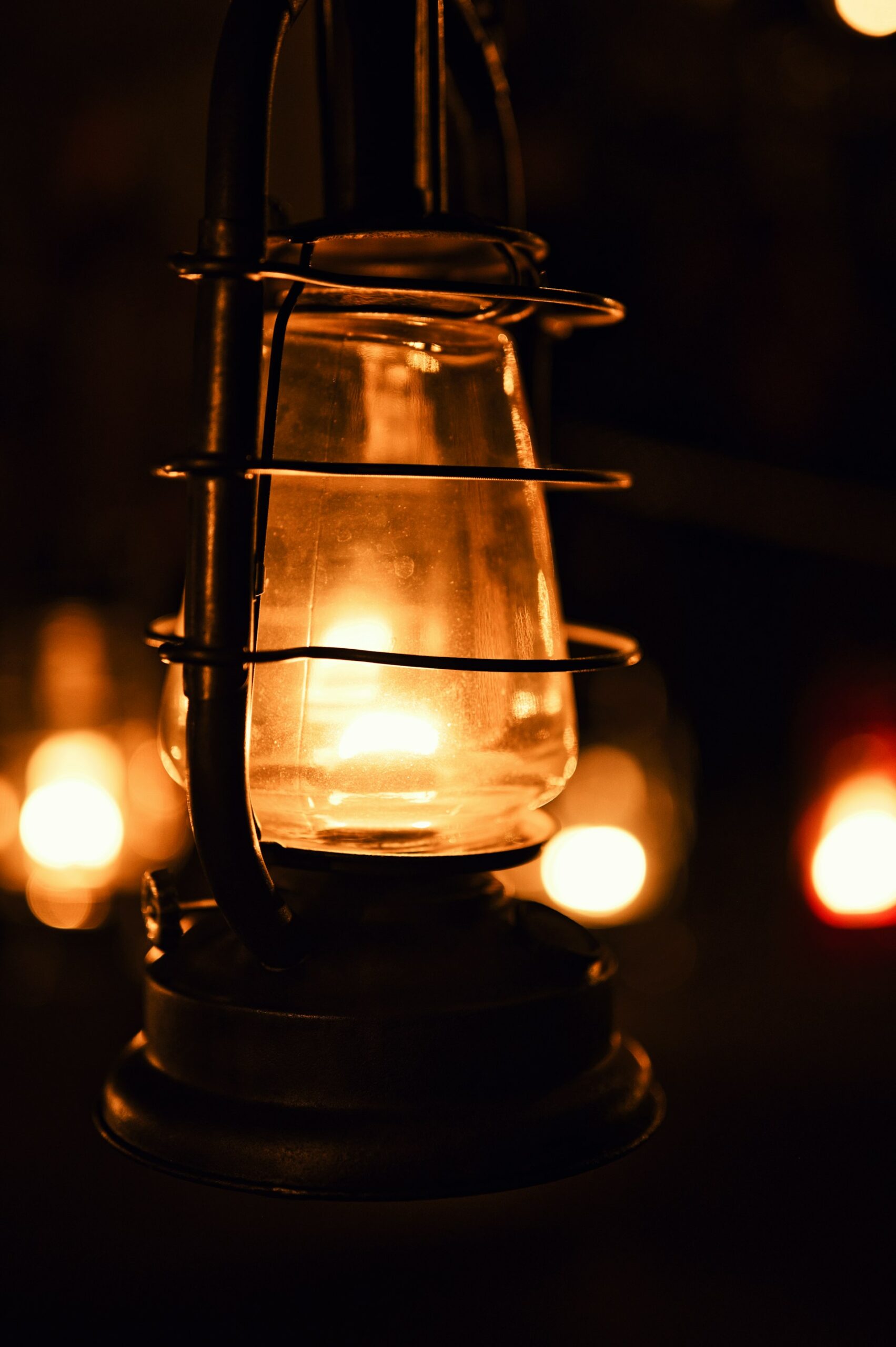
In informal settlements and rural areas across the country, paraffin is more than just fuel. It is how families cook, heat water and keep the lights on when the grid fails or never reaches them at all.
For people like Andile Chonco, who lives near Pinetown in KwaZulu-Natal, the increase feels impossible to absorb. Surviving on child support grants while raising three children, she says paraffin is not optional. It is essential.
Her reality is one shared by many households across South Africa, where social grants stretch thinly across food, transport and school needs. Adding a steep fuel increase to that equation pushes families even closer to the edge.
Why Prices Are Rising
The Department of Mineral Resources and Energy confirmed that the paraffin hike forms part of a broader surge in fuel costs. Petrol rose by R3.06 per litre, while diesel climbed by more than R7 per litre.
Behind these increases are global pressures. Rising oil prices and ongoing geopolitical tensions in the Middle East continue to drive up the cost of fuel imports, leaving South Africa exposed to international markets.
Economist Ulrich Joubert warns that the consequences will be severe, particularly for lower-income households that rely heavily on paraffin for everyday living.
Limited Relief For The Poor
Unlike petrol and diesel, paraffin is not taxed with fuel levies, a policy designed to keep it as affordable as possible. But that also means there is little room for government to soften price hikes when global costs rise.
The Department says the increase does not signal a withdrawal of support. Instead, officials point to ongoing work aimed at cushioning vulnerable households from rising energy costs.
Still, for many South Africans, those long-term plans offer little comfort in the present moment.
Energy Poverty In Focus
South Africa’s energy crisis has long been measured in load shedding schedules and power cuts. But for millions, the issue runs deeper. It is about energy poverty.
In communities where electricity is inconsistent or unaffordable, paraffin remains a lifeline. When its price spikes, the impact is immediate and deeply personal.
Policy strategist Theto Mahlakoana captures the reality bluntly. Paraffin is not a luxury item. It is a basic necessity. And when its cost rises this sharply, it hits hardest in homes that already have the least.
A Growing Cost Of Living Crisis
This latest increase adds to an already heavy burden. Food prices remain high, transport costs are climbing, and unemployment continues to limit earning opportunities.
For households relying on grants or a single income to support extended families, every rand matters. And now, even something as simple as lighting a room or cooking a meal is becoming harder to afford.
As winter approaches, the pressure is only expected to grow. For many, the question is no longer how to get ahead, but how to get through the month.