News
Plettenberg Bay has just 40 days of water left as Level Four restrictions begin
Plettenberg Bay residents woke up this week to a stark reality. The town has roughly 40 days of water left. After an urgent late-night meeting on Tuesday, Bitou Municipality confirmed that Level Four water restrictions are now in place, effective immediately.
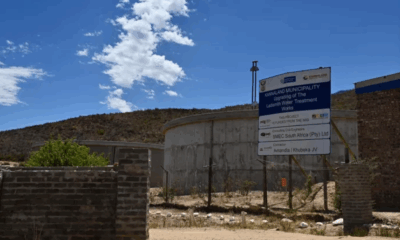
At the centre of the crisis is the Roodefontein Dam, the town’s main water source. Municipal officials warned that if consumption continues at its current pace, the dam could effectively run dry by mid-March.
Why the situation has escalated so quickly
According to the municipality’s corporate communications head, Andile Namntu, daily water usage in Plettenberg Bay is sitting at around 14.25 megalitres. That amount is enough to fill roughly six Olympic-sized swimming pools every single day.
The problem is simple but serious. Supply can no longer keep up with demand. To protect essential services, businesses, and households, the municipality says usage must drop to between seven and nine megalitres a day.
This sharp gap between what is available and what is being used is what pushed the town into stricter restrictions this week.
What Level Four restrictions mean for households
One of the most immediate changes affects monthly household water allowances. From Wednesday, the free basic allocation has been reduced from 15 kilolitres to 10 kilolitres per household.
Municipal data has also revealed extreme cases of overuse. Some households are consuming anywhere between 70 and 409 kilolitres a month, far beyond what is considered reasonable during a water crisis.
These households will receive formal notices, with enforcement measures to follow. This includes the installation of water restrictors to physically limit consumption.
Desalination and boreholes are helping, but not enough
The municipality confirmed that the local desalination plant is fully operational and continues to support the system alongside municipal boreholes. These sources are easing pressure, but they are not a silver bullet.
Officials have been clear that even with these measures in place, current demand still outweighs the town’s total supply capacity. Without a sharp and immediate reduction in use, the countdown continues.
Community reaction and local support
Water anxiety is nothing new in the Western Cape, and many locals have taken to social media to express concern, frustration, and cautious support. While some residents are worried about enforcement and lifestyle impact, others have welcomed stricter controls, saying they should have been introduced sooner.
The Plettenberg Bay Ratepayers Association has publicly backed the municipality’s plan, urging residents to take the restrictions seriously and use water responsibly.
A familiar warning for coastal towns
Plettenberg Bay’s situation echoes a broader pattern seen across South Africa’s coastal towns, where tourism growth, climate pressure, and infrastructure strain collide. The town’s popularity has boomed in recent years, especially during peak holiday seasons, placing additional stress on water systems that were never designed for such demand.
For now, the message from officials is clear. Every litre saved matters. The next few weeks will determine whether Plettenberg Bay can stabilise its water supply or edge closer to a far more severe emergency.
Follow Joburg ETC on Facebook, Twitter, TikT
For more News in Johannesburg, visit joburgetc.com
Source: IOL
Featured Image: The Herald