News
Ramaphosa takes over Iran naval exercise probe, appoints independent panel
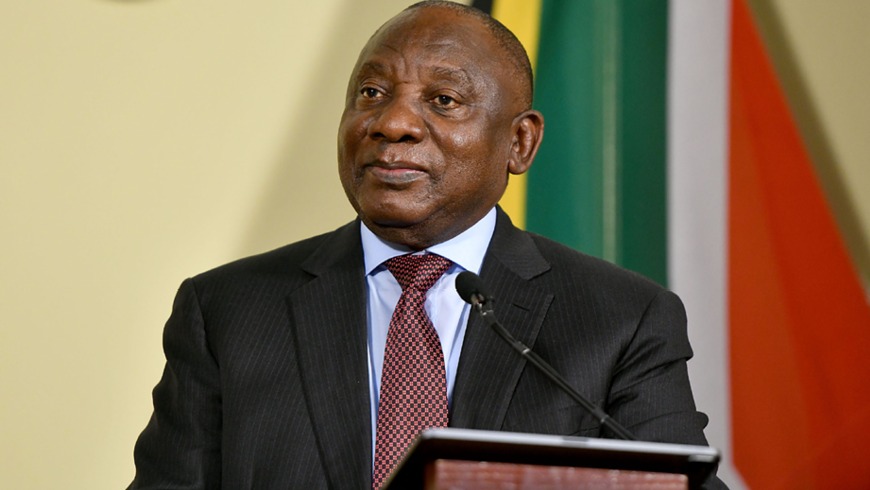
South Africa’s political temperature has ticked up again, this time on the high seas.
President Cyril Ramaphosa has pulled the investigation into Iran’s involvement in Exercise MOSI III Will of Peace away from the Department of Defence and placed it firmly under the authority of the Presidency. It is a move that signals urgency and, perhaps more importantly, authority.
The decision follows controversy around Iran’s participation in the Chinese-led Exercise Will of Peace 2026, which took place in South African waters. According to the Presidency, the issue centres on an alleged failure to comply with a clear instruction from Ramaphosa that the navy of the Islamic Republic of Iran should no longer take part.
From departmental inquiry to presidential panel
Initially, Defence Minister Angie Motshekga had announced a departmental board of inquiry. That process has now effectively been superseded.
Presidential spokesperson Vincent Magwenya confirmed that Ramaphosa has instituted a new probe and appointed an independent investigative panel. The panel will be chaired by Justice Bernard Makgabo Ngoepe and supported by Justices K. Satchwell and M.M. Leeuw, alongside Rear Admiral P.T. Duze.
Crucially, the panel reports directly to the president.
Magwenya explained that shifting the inquiry to the Presidency is intended to ensure an independent and timeous investigation. In other words, this is no longer an internal defence matter. It is a question of executive authority.
Commander-in-Chief and constitutional weight
The Presidency has grounded the move in Section 202(1) of the Constitution, which establishes the president as commander in chief of the South African National Defence Force.
That detail matters. The probe is not simply about who attended a naval exercise. It is about whether an instruction from the commander-in-chief was ignored or misapplied.
The panel has wide-ranging powers. It may summon members of the defence force and public service and request all relevant documentation, including classified material. It has been given one calendar month to complete its work, although the president may extend that period if necessary.
Because of national security considerations, the proceedings will remain confidential. Whether the findings are made public will ultimately be decided by the president, based on the panel’s recommendations and input from the minister.
Why this matters beyond the Navy
For many South Africans, naval drills feel distant from daily life in Joburg, Durban, or Cape Town. But this development cuts to the heart of how state power is exercised.
Earlier reporting in January had already raised questions about whether Iran was participating fully or merely observing. That ambiguity has now evolved into a far more serious question: Was a presidential directive followed?
On social media, reactions have ranged from calls for full transparency to concerns about South Africa’s international positioning. Some commentators argue the issue highlights tensions in foreign policy balancing acts, particularly when exercises involve global players like China and Iran. Others see it as a straightforward matter of command discipline within the defence establishment.
Either way, the shift from a departmental review to a presidential-level investigation raises broader concerns about accountability, communication chains, and decision-making within the defence sector.
A tight deadline and high stakes
With just a month to complete its work, the panel faces pressure to clarify what happened and who, if anyone, failed to act in line with instructions.
The fact that Ramaphosa has taken personal oversight suggests the Presidency recognises the potential political and diplomatic implications. It also underscores that, in constitutional terms, the final word on military command rests with the president.
For now, the findings will unfold behind closed doors. But the outcome could shape how future military collaborations are handled and how firmly presidential authority is asserted within the ranks.
In a year already heavy with political scrutiny, this probe has quickly become more than a naval matter. It is a test of leadership, oversight, and the strength of command at the highest level of the state.
Follow Joburg ETC on Facebook, Twitter, TikT
For more News in Johannesburg, visit joburgetc.com
Source: IOL
Featured Image: Judges Matter